
Many people who settle in Grenada want to give something back, and the island has no shortage of needs: animals abandoned on roadsides, nesting turtles threatened by poaching, older people living alone, schools short of reading support, and communities still rebuilding after storms. Volunteering is also one of the most effective ways to meet people outside your immediate circle and to understand how Grenada actually works.
Good intentions are not quite enough, though. Volunteering here works best when you join established local efforts rather than starting your own, commit for the long term rather than a burst of enthusiasm, and check whether what you plan to do needs any permission. This guide covers the main areas where residents volunteer and how to begin.
Conservation: turtles, reefs and beaches
Ocean Spirits, a Grenadian non-profit founded in 1999, has worked for decades to protect marine turtles, especially the leatherbacks that nest on Levera beach in St Patrick's. During the nesting season, roughly from spring into summer, volunteers join night patrols, help with tagging and measuring nesting females, record nests and hatchlings and support community education. The effort has transformed the picture at Levera: poaching that once took most nests has been reduced dramatically. Access to Levera beach at night during nesting season is controlled, so volunteering through the organisation is the proper route.
Other conservation efforts include beach and coastal clean-ups, often organised by schools, churches, dive shops and community groups, as well as reef monitoring and mangrove projects run by environmental organisations and the government. Clean-ups are an easy first step: a morning picking up plastic on a beach or along a river mouth needs no special skills and introduces you to people who care about the same things. Keep an eye on community notices and social media for dates, especially around international coastal clean-up events in September.
Animals, health and disaster relief
Animal welfare. The Grenada Society for the Prevention of Cruelty to Animals and smaller rescue groups work to reduce the number of stray and neglected dogs and cats, through spay and neuter campaigns, rehoming and education. They often need foster homes, help at clinics, drivers and fundraisers. Fostering is one of the most useful things a resident with space can offer.
Red Cross. The Grenada Red Cross Society trains volunteers in first aid and disaster response and mobilises them after storms and emergencies. Training is useful in its own right, and trained volunteers are valuable when a hurricane hits.
Health support. Hospitals and health organisations sometimes welcome volunteers for visiting patients, fundraising or awareness events. Clinical work requires registration with the relevant professional council, so qualified health workers should ask before offering services.
Hurricane relief. After Hurricane Beryl devastated Carriacou and Petite Martinique in July 2024, churches, service clubs and community groups organised collections, transport and rebuilding help. In any future disaster, joining an established relief effort is far more useful than collecting goods on your own.
Service clubs, churches and schools
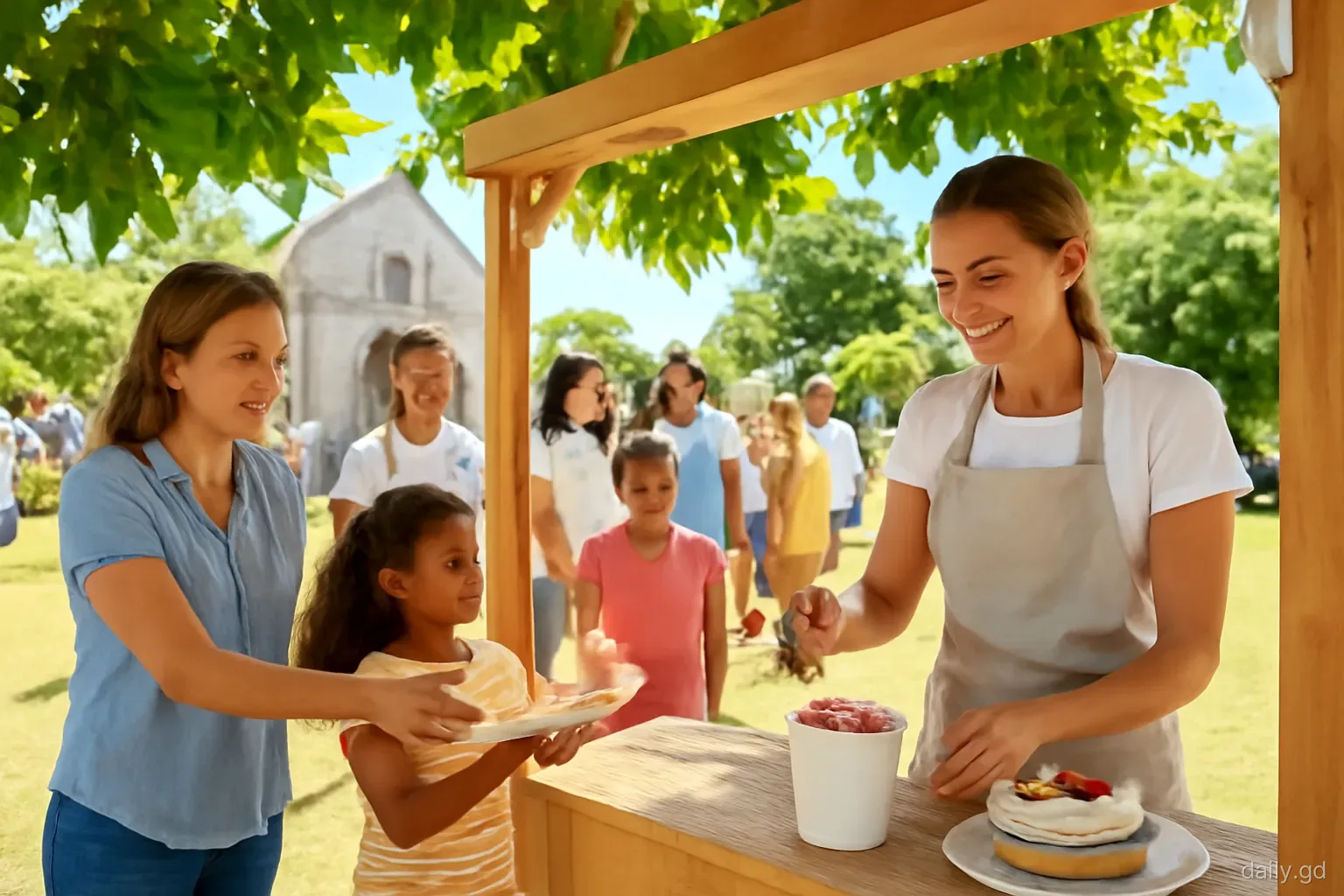
International service clubs have long roots in Grenada. The Rotary Club of Grenada runs community projects through the year, including its annual Christmas at the Point event at Quarantine Point, which raises money for causes; its youth arm, the Rotaract Club of Grenada, has been active for more than four decades with projects such as back-to-school drives, coastal clean-ups and storm relief. Other service clubs have also had chapters on the island. Membership involves regular meetings and a commitment to projects, but clubs welcome residents of all nationalities.
Churches remain the backbone of volunteering in many communities, running feeding programmes, visiting the sick and housebound, organising youth activities and supporting families in crisis. You do not always have to be a member to help. Schools often welcome volunteers for reading programmes, sports coaching, homework help or special events, and the Grenada School for Special Education and similar institutions value consistent, patient helpers. Approach the principal, explain what you can offer, and be prepared for background checks and a gradual start where children are involved.
How to get started
A sensible path for a new resident who wants to help:
- Spend your first months listening. Attend events, talk to people and find out which organisations are trusted locally.
- Pick one cause that matters to you and fits your skills and schedule, rather than spreading yourself across five.
- Contact the organisation directly. Explain what you can offer, how many hours a week and for how long.
- Start with whatever they need, even if it is not glamorous: sorting donations, driving, cleaning, admin.
- Show up reliably. Organisations are wary of volunteers who disappear after a few weeks.
- Learn from local volunteers. They understand the context, the people and the politics far better than newcomers.
- Offer professional skills, such as accounting, marketing or IT, once you understand the organisation; small charities often need these more than hands-on help.
Do volunteers need permission?
This is a question residents should take seriously. Casual, occasional volunteering, such as joining a beach clean-up or helping at a church harvest, is generally not treated as work. Structured, regular roles, especially anything resembling a job, positions where you replace paid staff, or professional services such as medical, legal or teaching work, may raise questions under Grenada's rules on work permits and professional registration, particularly for people who are not citizens or permanent residents.
The rules depend on your immigration status and the nature of the activity, so ask the organisation whether its international volunteers need any permit, and confirm with the Immigration Department or the Labour Department if you plan a regular or professional role. Organisations that host overseas volunteers often handle the paperwork themselves. Clarifying this at the outset protects both you and the organisation.
Mistakes well-meaning volunteers make
Arriving with solutions. Projects designed abroad often fail because they ignore local knowledge. Ask what is needed rather than deciding for people.
Starting a parallel charity. Small islands have many tiny organisations duplicating each other. Strengthening an existing one usually does more good.
Taking photographs of beneficiaries. Pictures of children or people in need posted online without consent are disrespectful. Ask, and think about dignity.
Overcommitting. Saying yes to everything leads to burnout and broken promises. A few reliable hours a week beat enthusiastic bursts.
Talking down. Grenadians run these organisations and understand their communities. Volunteer alongside them, not over them.
Collecting the wrong donations. Used clothes and random goods often pile up unused after disasters. Ask what is needed before collecting anything, and consider cash to trusted groups.
Making it last: commitment and community
The volunteers Grenadian organisations value most are not necessarily the most skilled; they are the ones still turning up after two years. Many small charities have seen waves of enthusiastic newcomers who arrived with big plans and left when the novelty faded, the heat bit or they moved on. Reliability earns trust, and trust is what eventually gives you a say in how things are done.
Think about seasons. Turtle nesting runs through spring and summer, hurricane preparation peaks from June, school programmes follow the academic year from September, and many fundraisers cluster before Christmas. If you spend part of the year abroad, choose roles that match your months on the island and tell the organisation honestly when you will be away. Volunteering also changes how Grenadians see you. Residents who help at a clean-up, coach a youth team or drive for an animal charity quickly become known in their communities as people who contribute, which opens doors, friendships and invitations that no amount of socialising at expatriate bars will.
Frequently asked questions
Can you volunteer with turtles in Grenada?
Yes. Ocean Spirits, a non-profit founded in 1999, runs leatherback turtle monitoring at Levera beach during the nesting season, roughly spring into summer, with night patrols, tagging and nest work. Contact the organisation directly, as beach access at night during nesting is controlled.
Do you need a work permit to volunteer in Grenada?
Occasional informal volunteering is generally not treated as work, but regular, structured or professional roles may raise work permit or registration questions for non-citizens. Ask the host organisation and confirm with the Immigration or Labour Department before committing to a regular role.
What animal charities are in Grenada?
The Grenada Society for the Prevention of Cruelty to Animals is the best known, alongside smaller rescue groups. They work on spay and neuter campaigns, rehoming and education, and often need fosterers, drivers, fundraisers and clinic helpers.
How can you help after a hurricane in Grenada?
Join established relief efforts run by the Red Cross, churches, service clubs or community groups rather than collecting goods alone. Cash donations to trusted organisations are often more useful than goods, and trained volunteers are especially valuable.
Are there service clubs like Rotary in Grenada?
Yes. The Rotary Club of Grenada runs community projects and an annual Christmas at the Point fundraiser, and the Rotaract Club of Grenada involves younger members. Other service clubs have had chapters. Contact them to attend a meeting as a guest.