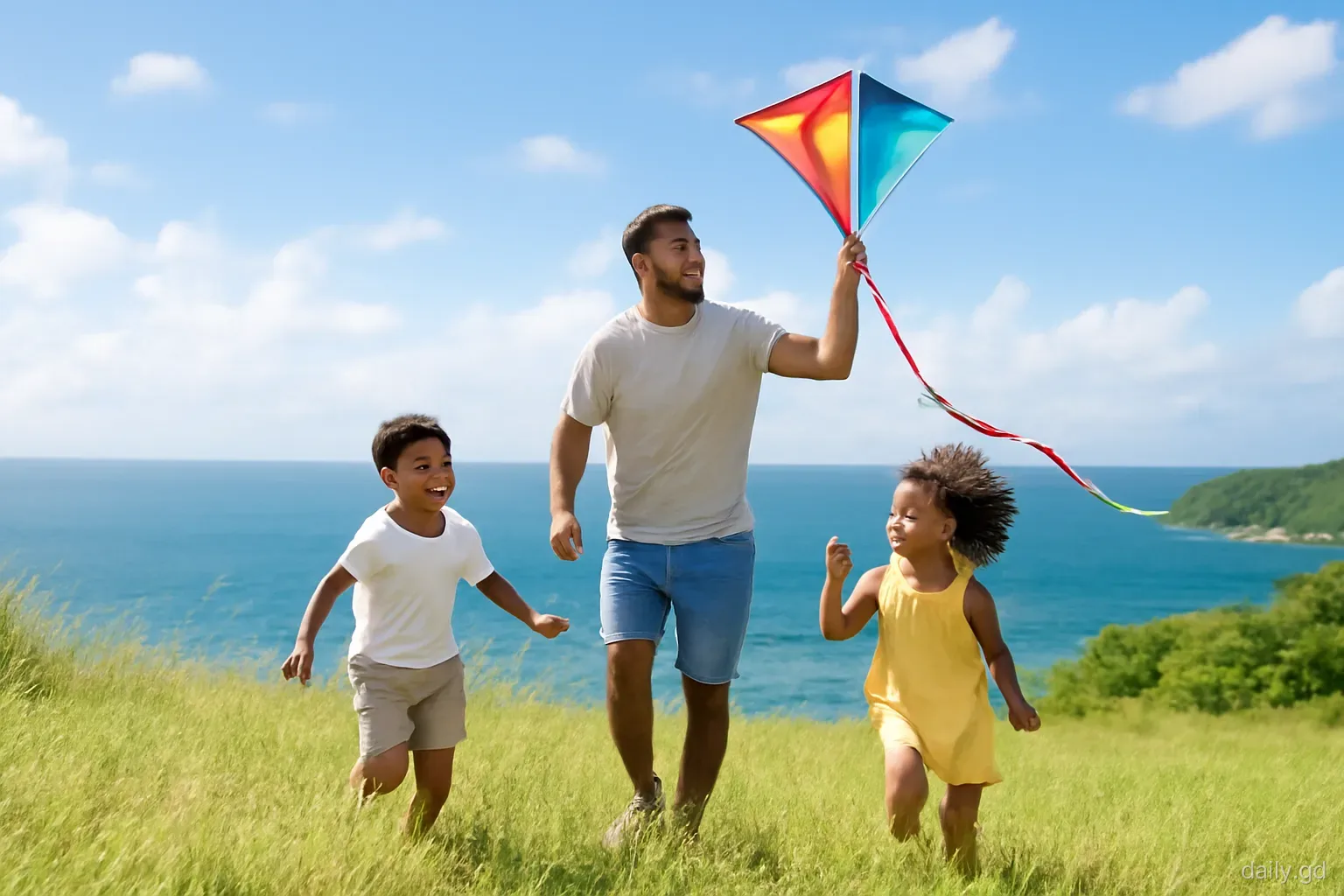
Living in Grenada with children can be expensive on the import side, but weekends do not have to be. The island's best family activities are mostly free or nearly free: beaches open to everyone, forts with views across the south, rivers and waterfalls, cricket and football to watch, and seasonal traditions like Easter kite flying. With a little planning, a family can fill a month of weekends for the price of bus fares, snacks and the occasional small entrance fee.
This guide gathers ideas residents with children use, grouped by type, with notes on what each costs, how old children need to be, and the practical things to watch, from sun and sandflies to monkeys and river currents. Fees mentioned are small and change over time, so carry some EC cash and check before going.
Beach days that cost nothing
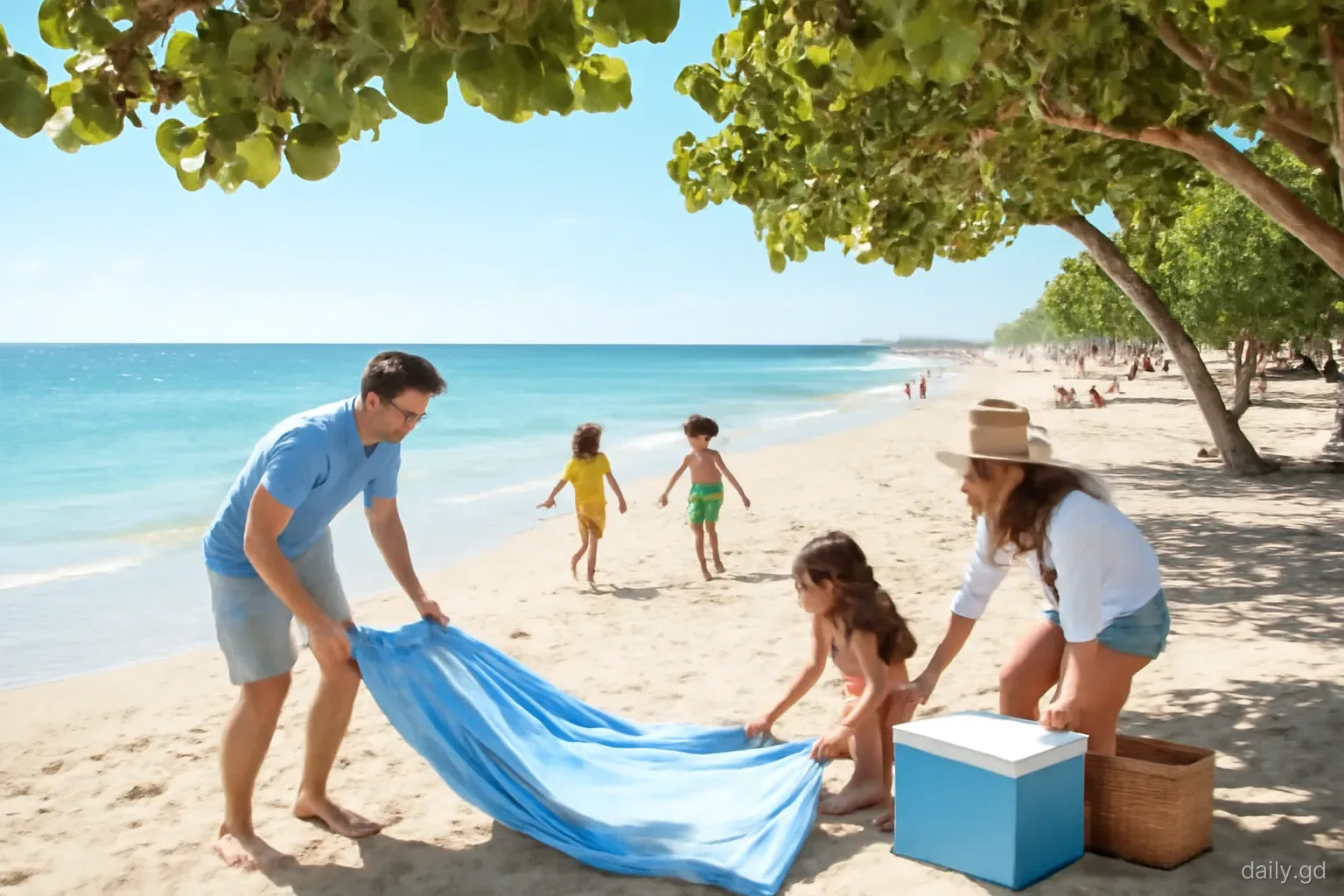
Grand Anse. The long beach in the south-west has calm water most of the year, shade under trees at either end and plenty of space. All beaches in Grenada are public, so access is free even in front of hotels.
Morne Rouge. Just south of Grand Anse, a sheltered bay with very gentle water, good for small children and first-time swimmers.
Beaches beyond the south. Quieter west coast bays and La Sagesse on the south-east coast make a change from the busy south. Check conditions on Atlantic-facing beaches, where currents can be strong.
What to bring. A cooler with water, fruit and sandwiches saves the cost of beach bar meals. Bring shade if you can, as some beaches have little after midday.
Best times. Mornings are cooler and calmer. Weekday afternoons and Saturday are quieter than Sunday, when families arrive in force.
Forts, history and museums
St George's has several forts that children enjoy exploring, with ramparts, old cannons and wide views. Fort George overlooks the harbour from the town centre, while Fort Frederick, on Richmond Hill above the town, gives a panoramic view over the south of the island and the harbour. Small entry fees apply at some sites; check what is in place for residents. Older children are often fascinated by the history, including the events of 1983 associated with Fort George.
The Grenada National Museum in St George's, housed in an old building near the Carenage, is small but covers Amerindian artefacts, colonial history and cultural life, and makes a good rainy-day visit. Entrance is modest. The public library in St George's is also worth a visit for children who like books; ask about membership and children's sections.
A walk around the Carenage itself, watching boats come and go, followed by an ice cream or a snow cone, is one of the simplest and cheapest outings in town.
Nature and the outdoors
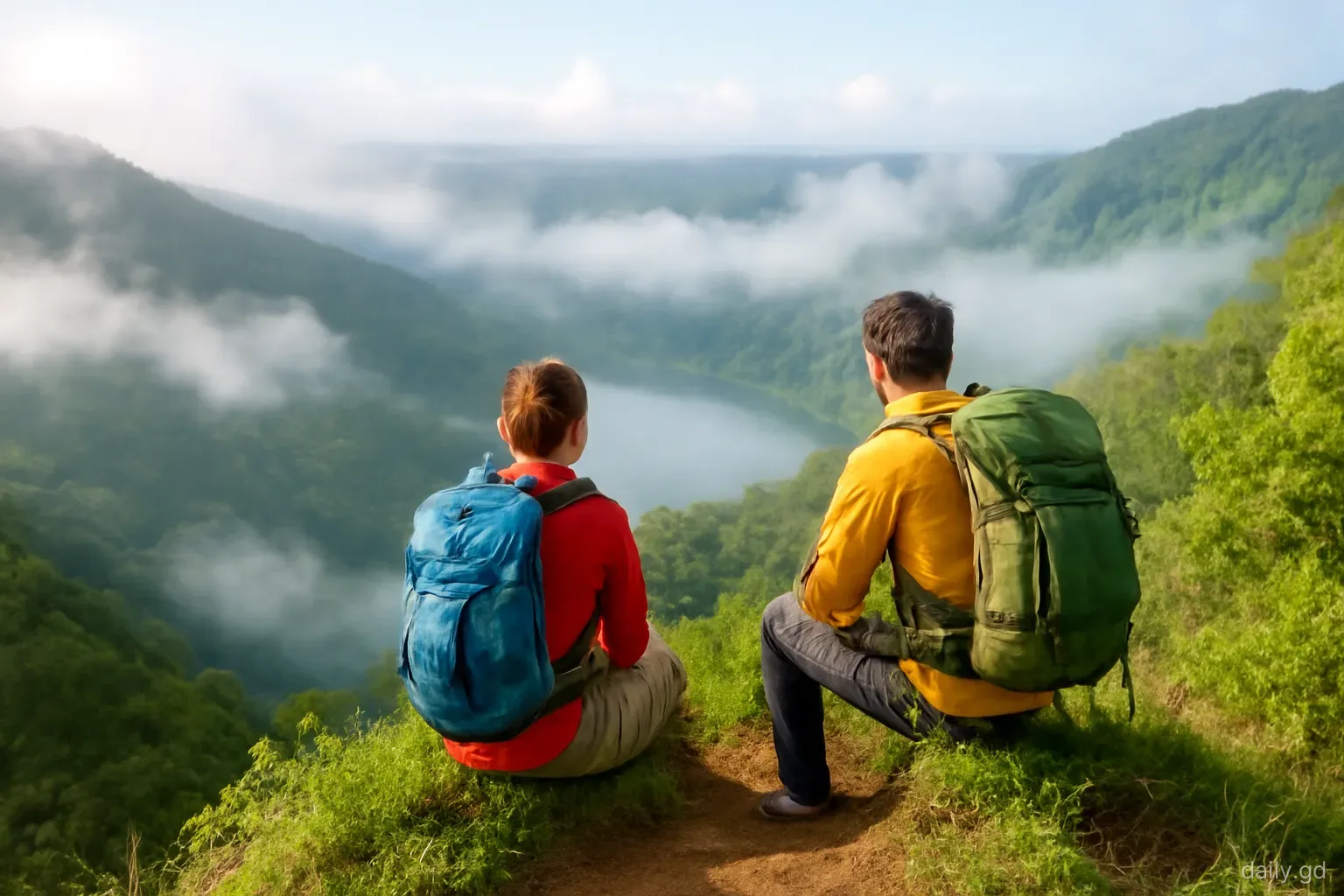
Grand Etang. The crater lake and forest are an hour's drive or bus ride from town. Mona monkeys often appear near the visitor centre. Children love seeing them, but do not feed them: it harms the monkeys and they can bite.
Waterfalls. Annandale Falls, close to St George's, has a short path and a small entry fee; the first Concord Falls on the west coast is reachable by road. Swim only in calm conditions and supervise closely.
River pools. Many rivers have shallow pools where children splash safely in settled weather. Avoid them after heavy rain, when water can rise suddenly.
Short hikes. The Grand Etang lake shoreline trail is manageable for older children; younger ones may prefer just the first part.
Mangroves and birds. Areas such as the mangroves at Levera and around the south coast give children a chance to see crabs, herons and fish in shallow water. Bring binoculars and repellent.
Sport and community events
Cricket. Matches at the National Cricket Stadium at Queen's Park and on community grounds across the island. Local matches are usually free; international or regional matches charge entry but can be a memorable day out for older children.
Football. League and community matches on Saturday and Sunday afternoons, free to watch, with plenty of local atmosphere.
Athletics. School sports days and athletics meets draw crowds. Grenada's Olympic medallists, including Kirani James and Anderson Peters, are national heroes to children.
Church and community events. Fairs, bazaars, harvest festivals and concerts at churches and community centres are cheap and child-friendly, often with food, games and music.
Kiddies Carnival. In the Spicemas season, the children's parade gives children the chance to see, or join, a carnival band.
Seasonal traditions children love
Kite flying is an Easter tradition across Grenada and much of the Caribbean. In the weeks before Easter, children and adults make or buy kites, and on Easter Monday open spaces and hilltops fill with them. Making a kite at home from sticks, paper and string is a satisfying project, and flying it on a breezy hill costs nothing.
Mango season, roughly from spring into summer, brings fruit to almost every yard and roadside, and children happily spend hours picking, eating and comparing varieties. If you have no tree, neighbours often share. Christmas brings parang music, church concerts, decorations and family visits, while Independence Day in February features parades, school events and patriotic displays.
Fisherman's Birthday in Gouyave around 29 June and the Carriacou Regatta in summer are bigger outings, but both offer free spectacle for families willing to travel.
Keeping costs down
Use route buses. Fares on the shortest routes are a few EC dollars per person, much cheaper than taxis. Children often travel at reduced fares; ask the conductor. Buses can be crowded, so travel outside rush hour with small children.
Pack food. A picnic of bakes, fruit, sandwiches and water saves money at every outing.
Go local. Roadside food stalls and cook-shops serve filling meals for far less than restaurants aimed at visitors.
Share transport. Families often club together for a car or a group taxi to Grand Etang or the north, splitting the cost.
Check resident rates. Some attractions charge less for residents or citizens; ask at the entrance and carry proof of residence if you have it.
Borrow and swap. Snorkels, kites, bicycles and beach toys circulate among families through school and church networks. Asking around before buying saves money on things children outgrow quickly.
Plan a rotating list. Keeping a list of ten free outings and rotating through them avoids the expensive default of a restaurant lunch whenever nobody has a plan.
Practical cautions
Sun. The tropical sun is strong year-round. Hats, sunscreen, shade and water are essential, especially between late morning and mid-afternoon.
Sandflies and mosquitoes. Sandflies bite at beaches around dusk; mosquitoes in shaded and wet areas. Repellent and light long clothing help, and mosquito-borne illnesses circulate in rainy season.
Water safety. Atlantic beaches and rivers after rain can be dangerous. Supervise children constantly in water, even in calm bays.
Monkeys. Keep food out of sight at Grand Etang and do not let children approach monkeys.
Manchineel trees. Some beaches have manchineel trees, whose fruit and sap are poisonous. Teach children not to touch the small green apples or shelter under the trees in rain; trees are sometimes marked with a painted band on the trunk.
Traffic on the walk. Many roads have no pavement, and drivers come round blind corners fast. Walk children on the inside, facing traffic, and use torches after dusk.
A sample month of cheap weekends
To show how far a small budget stretches, here is the kind of month many resident families put together. Week one: Saturday morning at the market, where children choose a fruit they have never tried, then an afternoon at Morne Rouge with a packed lunch. Week two: a bus ride to Grand Etang for the lake shore walk and a look for monkeys, with bakes and juice from home. Week three: a morning at Fort Frederick and the National Museum, followed by a walk along the Carenage and a snow cone. Week four: a local cricket or football match on Saturday and a river lime with friends on Sunday.
None of these outings costs much beyond bus fares, small entry fees and snacks, and each gives children something different: market bargaining, forest, history, sport and water. Repeating the cycle with variations, a different beach or a different fort, keeps weekends fresh for months.
Frequently asked questions
Are beaches in Grenada free?
Yes. All beaches in Grenada are public, including those in front of hotels, so families can use any beach without charge. Facilities such as loungers, showers and bars may be private or paid. Pack water, snacks and shade for a low-cost day.
What can families do in Grenada on a rainy weekend?
Rainy-day options include the Grenada National Museum, the public library, church or community events, indoor play at home or friends' houses, and visits to St George's markets and shops. Forts can still be visited between showers. Avoid rivers and waterfalls after heavy rain.
Can children see monkeys in Grenada?
Mona monkeys often appear around the Grand Etang visitor centre and forest. Sightings are not guaranteed. Children should not feed or approach them, as feeding harms the animals and monkeys can bite or snatch food.
Is kite flying a tradition in Grenada?
Yes. Kite flying is a popular Easter tradition, especially on Easter Monday, when families gather on hills and open spaces. Many children make their own kites from sticks, paper and string in the weeks before Easter.
How much does a bus cost for a family in Grenada?
Route bus fares on short routes are a few EC dollars per person, rising with distance, and children may pay reduced fares. Fares change over time, so ask the conductor. For longer trips, families sometimes share a car or group taxi.
Are there entrance fees at Grenada's attractions?
Some attractions, such as Annandale Falls, Fort Frederick, the National Museum and the Grand Etang visitor centre, charge small fees, and some offer lower rates for residents or citizens. Amounts change, so bring EC cash and ask at the entrance.