Grenada's public holiday calendar still follows the church year more closely than most countries. Good Friday, Easter Monday, Whit Monday and Corpus Christi are all national holidays, and the feasts around them shape when families travel, when shops close, which Sundays churches overflow and which weekends are busiest on the roads.
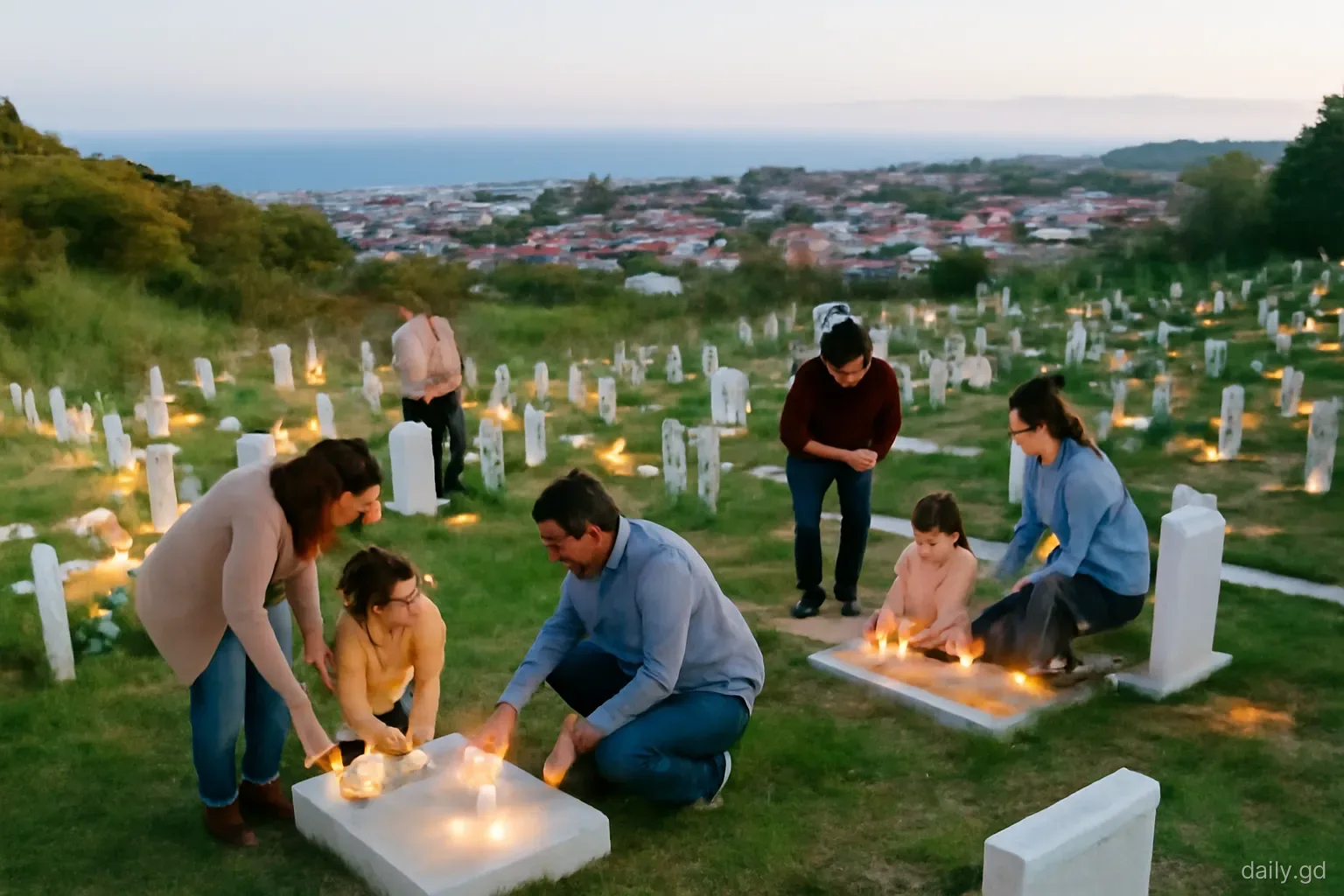
For residents, knowing the rhythm helps with ordinary things like planning errands, booking a ferry or understanding why the cemetery near your house is glowing on the first night of November. This is a month-by-month guide to the religious year as it is lived in Grenada, with the community customs attached to each season.
January to March: ordinary time and Lent
After the Christmas season ends in early January, church life settles into ordinary time, though the dry season makes it a popular period for weddings, church anniversaries and outdoor events. One distinctive feature of Grenada's calendar is that Lent is not preceded by a big carnival. Many Caribbean islands hold carnival just before Ash Wednesday, but Grenada's carnival, Spicemas, moved to August long ago. Lent therefore arrives quietly.
Ash Wednesday services draw large congregations, and many Grenadians mark Lent with fasting, giving up meat on Fridays or other personal sacrifices. Fish sells well on Fridays throughout Lent. Churches hold Stations of the Cross, retreats and missions, and some congregations run Lenten study groups. For residents, Lent is a time when parish events are more reflective and when invitations to church activities increase. It is also when many families start planning for Easter, one of the busiest holiday periods of the year.
Holy Week and Easter
Palm Sunday. Congregations process with palm fronds, often woven into crosses, and many churches start the service outside.
Holy Thursday. Evening services commemorate the Last Supper, with foot-washing in some churches.
Good Friday. A public holiday and the most solemn day of the year. Many businesses close, Stations of the Cross processions move through towns and villages, and services take place in the afternoon. Traditionally, hot cross buns and fish are eaten, and loud music is frowned upon.
Easter Vigil and Easter Sunday. The Saturday night vigil and Sunday services are among the best-attended of the year. Expect churches to be full; arrive early.
Easter Monday. A public holiday for picnics, beach days and family gatherings, and a busy day for traffic. Plan errands around the long weekend, as banks and many shops close.
May and June: harvests, Pentecost and Corpus Christi
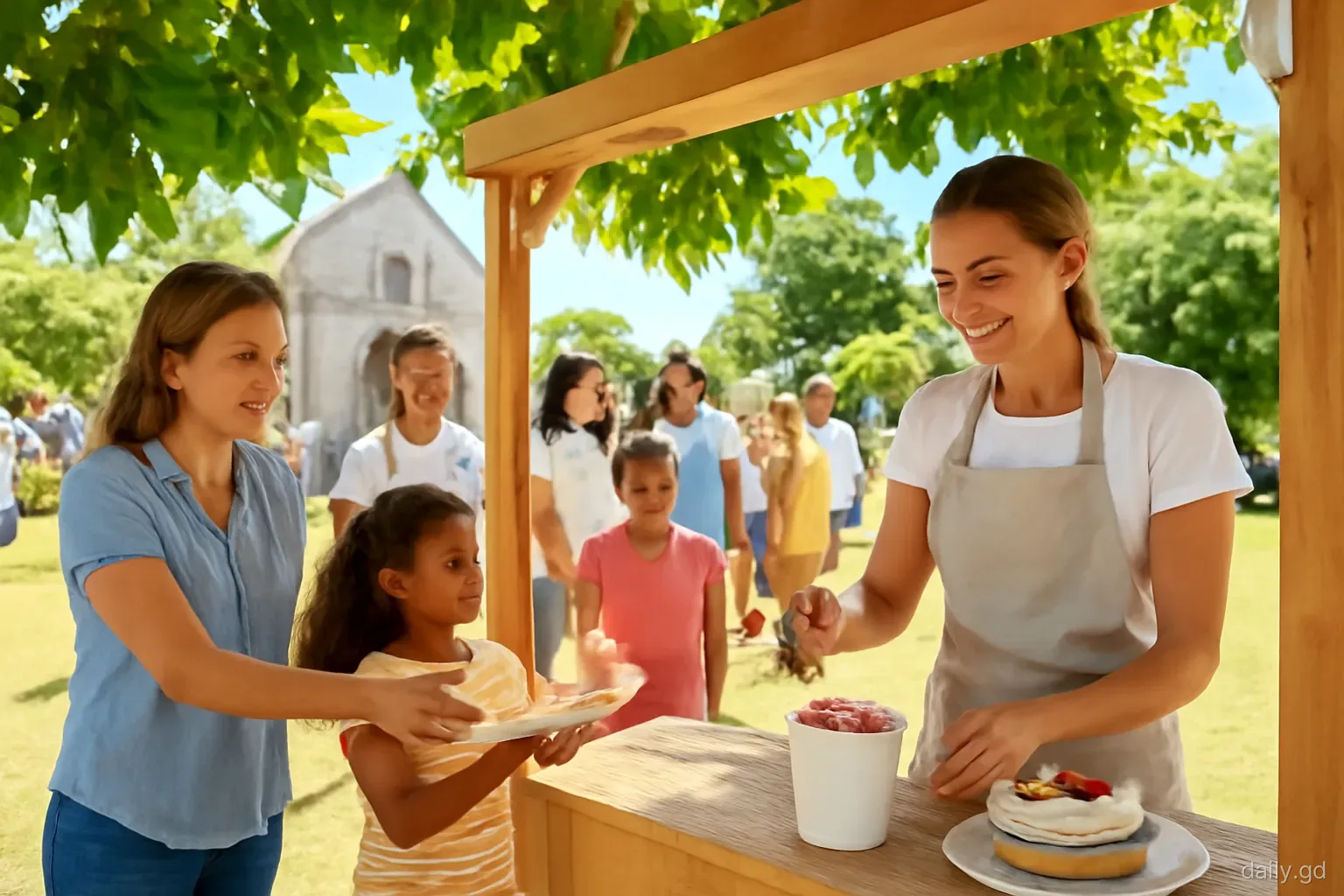
The weeks between Easter and Pentecost are a popular season for church harvests, the fundraising festivals where parishes sell produce, food, cakes and homemade ice cream. Whit Sunday, or Pentecost, falls fifty days after Easter, and Whit Monday is a public holiday. Corpus Christi, a Thursday holiday about two months after Easter, is marked in Catholic parishes with processions of the Blessed Sacrament through the streets, sometimes with children who have recently made their first communion taking part.
Late June brings Fisherman's Birthday, celebrated on or around 29 June, the feast of St Peter, patron saint of fishermen. Gouyave in St John's is the centre of it, with Mass, a procession to the shore and the blessing of boats and nets, followed by festivities with food and music. Other fishing communities, including some on Carriacou, hold their own celebrations. For residents, it is one of the best opportunities to see church and community tradition combined. Mother's Day in May is also a big church occasion, with special services, flowers and family lunches, and many congregations hold first communion and confirmation services in this season, which means family celebrations across the island on those weekends.
July to October: the quieter months
The middle of the year is dominated by secular events: Emancipation Day in August and Spicemas, with its j'ouvert, Monday night mas and parade of bands, take over the calendar. Church life continues, but some congregations hold special services to pray for protection through hurricane season, which runs from June to November. When storms do strike, churches often become shelters and relief centres.
Carriacou Regatta usually takes place around the start of August, and the island's Big Drum and other traditions may feature in community events. October brings Thanksgiving Day on the 25th, a national holiday marking the 1983 intervention, which is not a church feast though thanksgiving services may be held. Many churches use this quieter period for anniversaries, revivals and crusades, often with visiting preachers and evening services held over several nights. Invitations to these events are common, and they offer a glimpse of the energetic side of Grenadian worship.
November: All Saints and All Souls
The start of November brings one of the most moving traditions in Grenada, recognised by the Grenada National Trust as part of the country's intangible cultural heritage:
- On the night of All Saints, 1 November, families gather at cemeteries to clean and decorate graves and light candles in memory of the dead. Hillside cemeteries glow with hundreds of candles.
- On All Souls Night, 2 November, candles are traditionally lit on the steps of homes so that departed loved ones can find their way home.
- The tradition is associated with asham, a sweet made from parched, ground corn mixed with sugar.
- Cemeteries are busy in the days before as families clear weeds, paint tombs and prepare.
- Visitors and neighbours are welcome to observe respectfully; it is a social as well as a sombre occasion, and families often talk and share memories at the graves.
- Catholic churches hold Masses for the dead, and names of deceased loved ones may be read out.
December: Advent, parang and Christmas
Advent begins four Sundays before Christmas, and December fills with carol services, school concerts and church Christmas programmes. Parang, a tradition of Christmas music with string instruments and lyrics that often include humour and local commentary, is especially associated with Carriacou, which holds its Parang Festival in December. Groups sometimes go from house to house singing, and are rewarded with food and drink.
Midnight Mass on Christmas Eve remains popular, as do Christmas morning services, after which families gather for a large lunch that might include ham, turkey or chicken, pelau, black cake, sorrel and ginger beer. Boxing Day, 26 December, is a public holiday for visiting family and friends. Many Grenadians abroad return home for Christmas, so flights, ferries and roads are busy. Watch-night services on New Year's Eve close the year, often running until midnight.
Practical tips for residents
Check holiday dates. Easter, Whit Monday and Corpus Christi move each year. Look up the dates early when planning travel, deliveries or appointments.
Expect closures. Government offices, banks and many shops close on religious holidays, and some open late or close early the day before.
Ferries and flights fill up. Easter and Christmas are busy periods for travel to Carriacou and for Grenadians returning from abroad. Book early.
Respect quiet days. Good Friday in particular is a day when loud music, parties and noisy work are inappropriate.
Go early on big feast days. Easter, Christmas and Mother's Day services are packed. Arrive well before the start if you want a seat, and expect parking around churches to be difficult.
Use the season to join in. Choirs recruit before Easter and Christmas, and harvest committees need hands in May and June. These are natural moments for newcomers to get involved.
Mind the roads. Processions on Good Friday and Corpus Christi, and crowds at Fisherman's Birthday, can close or slow roads in towns and villages. Allow extra time.
Frequently asked questions
Which religious holidays are public holidays in Grenada?
Good Friday, Easter Monday, Whit Monday, Corpus Christi and Christmas Day are public holidays, along with Boxing Day. Dates for Easter, Whit Monday and Corpus Christi change each year, so check the official calendar when planning.
What is Fisherman's Birthday in Grenada?
Fisherman's Birthday is celebrated around 29 June, the feast of St Peter, especially in Gouyave, St John's. It includes Mass, a procession, the blessing of boats and nets, and festivities with food and music. Other fishing communities hold their own celebrations.
What happens on All Saints night in Grenada?
Families gather at cemeteries on the night of 1 November to clean graves and light candles in memory of their dead, creating hillsides full of candlelight. On All Souls Night, candles are lit on home steps. The custom is part of Grenada's cultural heritage.
Why does Grenada not have carnival before Lent?
Grenada's carnival, Spicemas, takes place in August rather than in the days before Ash Wednesday. As a result, Lent begins without a pre-Lenten carnival, unlike in Trinidad and some other Caribbean islands.
What is parang in Grenada?
Parang is a Christmas music tradition, played with string instruments such as guitars and cuatros, with lyrics that often mix seasonal themes with humour and social commentary. It is particularly strong on Carriacou, which holds a Parang Festival every December.