Sooner or later someone will knock on your gate with a book of raffle tickets, or a neighbour will tell you the harvest is on Sunday and you must come. Fundraising is how much of community life in Grenada pays for itself. Churches repair roofs, schools buy equipment, sports clubs travel to tournaments and families cover medical bills through events that combine food, music, socialising and a little friendly pressure to give.
For residents, these events are a pleasure as well as an obligation: some of the best home cooking on the island is sold at harvest stalls. Knowing how they work makes it easier to take part generously and comfortably, and to help rather than just attend.
What a church harvest is
A harvest is a thanksgiving and fundraising festival held by a church, usually once a year. Many take place in the season between Easter and Pentecost, though dates vary by congregation and you will find harvests at other times too. The day often begins with a thanksgiving service, where members bring produce and offerings, and continues on the church grounds or in a hall with stalls, food, games and entertainment that run through the afternoon.
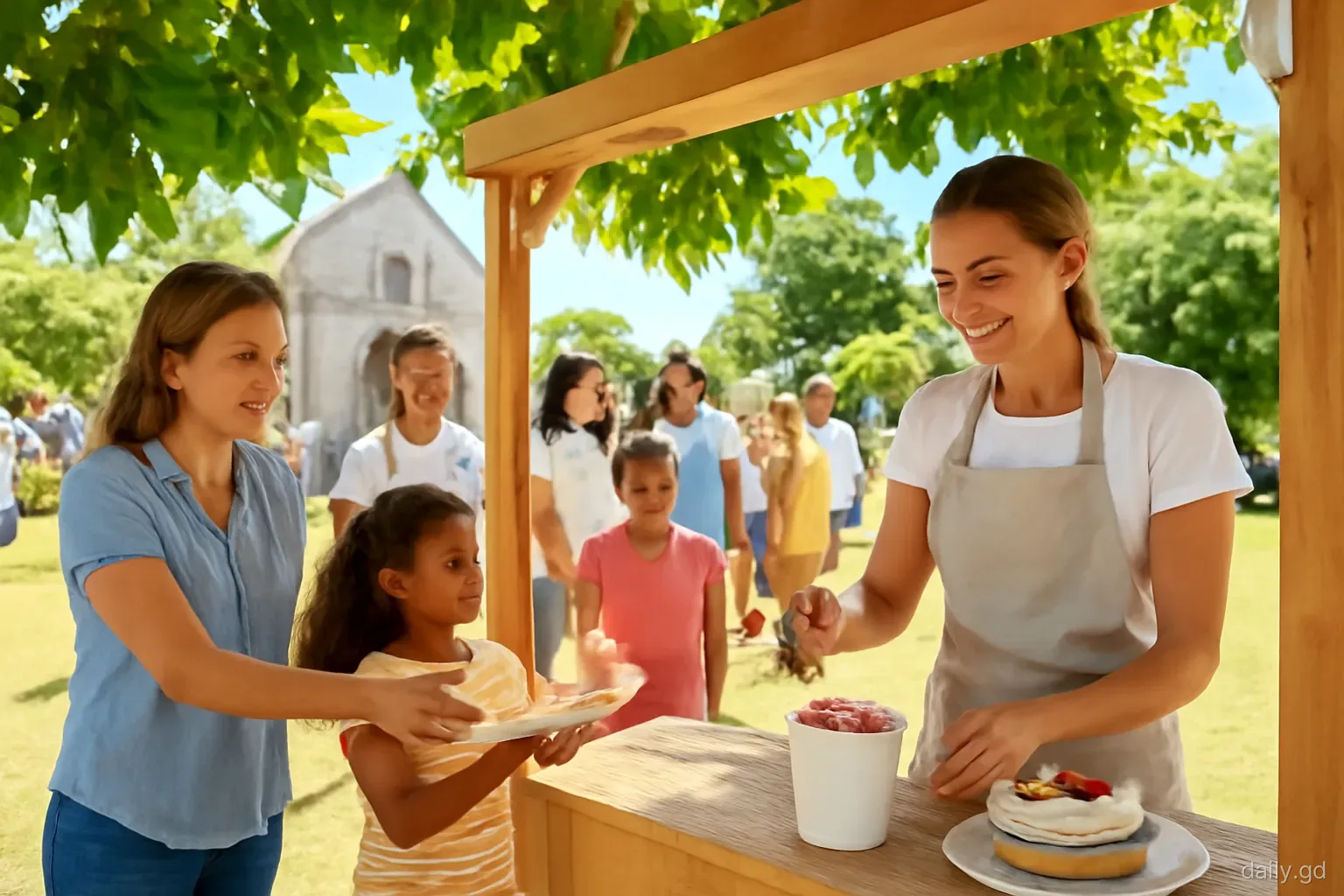
The main purpose is to raise funds for the church and its work, from building repairs and maintenance to charitable outreach. Parishioners prepare for weeks: baking cakes, making ice cream, cooking large pots of food, collecting donated goods and organising raffles. Each church tends to be known for particular dishes or stalls, and regulars plan their visits around them. A well-run harvest can be the most important income of the church year, so attendance from the wider community matters.
What you will find at the stalls
Stalls vary, but certain things appear at almost every harvest:
- Homemade ice cream in local flavours such as nutmeg, guava, soursop, coconut and rum and raisin, often sold out by early afternoon.
- Plates of cooked food: pelau, stewed chicken, fish, macaroni pie, rice and peas, provisions and salads, sold by the plate.
- Cakes and sweets: black cake, sponge cake, coconut drops, sugar cake, tamarind balls and fudge.
- Drinks: sorrel, ginger beer, mauby, sea moss, fresh juices and soft drinks, with beer at some events.
- Fresh produce donated by parishioners: bananas, breadfruit, plantains, dasheen, yams, vegetables and fruit.
- Plants, crafts, second-hand goods and household items.
- Games for children, such as lucky dips, and sometimes a bouncy castle or other entertainment.
- Raffles and auctions with prizes donated by businesses and members.
Bazaars, barbecues and other fundraisers
Harvests are only one kind of fundraiser. Churches, schools and groups also hold bazaars, often before Christmas, selling crafts, food and second-hand goods. Barbecues, fish fries and food sales, where plates are sold for a set price and sometimes delivered, are common ways for sports teams, school classes and youth groups to raise money. Gospel concerts, talent shows, fashion shows, walkathons, fun runs, quiz nights and dances are also popular.
Schools hold annual fairs with similar stalls, and parent-teacher associations raise money for buildings, computers and trips. Individuals and families sometimes hold fundraisers to cover medical treatment abroad, funerals or rebuilding after a fire or storm; these may be advertised on social media or radio. Community groups and service clubs organise larger events, such as the Rotary Club of Grenada's annual Christmas at the Point. Each event is an opportunity to support local causes while enjoying food and company.
Raffle tickets and other ways you will be asked
Door-to-door raffle books. Children, church members and club volunteers sell raffle tickets door to door or at work. Tickets are usually inexpensive, often a few EC dollars each. Buying one or two is a friendly gesture.
Keep your stubs. Draws may happen weeks later at the event. Write your name and number clearly, and keep the stub or a photo of it in case you win.
Pre-sold plates. For food sales, you may be asked to buy a ticket in advance for a plate collected on the day. It helps organisers plan quantities.
Pledges and envelopes. Churches may distribute envelopes or pledge cards for special appeals such as a new roof. Give what you can; there is no fixed expectation for non-members.
Saying no politely. You cannot buy from everyone. A friendly "not this time, but good luck with it" is acceptable. Supporting the causes closest to you, such as your church, your street or your children's school, is perfectly reasonable.
Going to your first harvest
A few practical tips to get the most out of the day:
- Find out the date and time from the church, a neighbour or local radio announcements.
- Go early. Popular food and ice cream sell out, and the best produce goes first.
- Bring cash in small notes. Most stalls do not take cards, and change can run short.
- Bring containers or bags if you plan to buy food to take home or produce.
- Attend the service if you wish; visitors are welcome, and it shows respect for the occasion.
- Walk around before buying, chat with stallholders and ask what they recommend.
- Buy raffle tickets and support the games; that is where much of the money comes from.
- Stay a while. Harvests are social occasions, and lingering over a plate of food is how you meet people.
Helping, not just buying
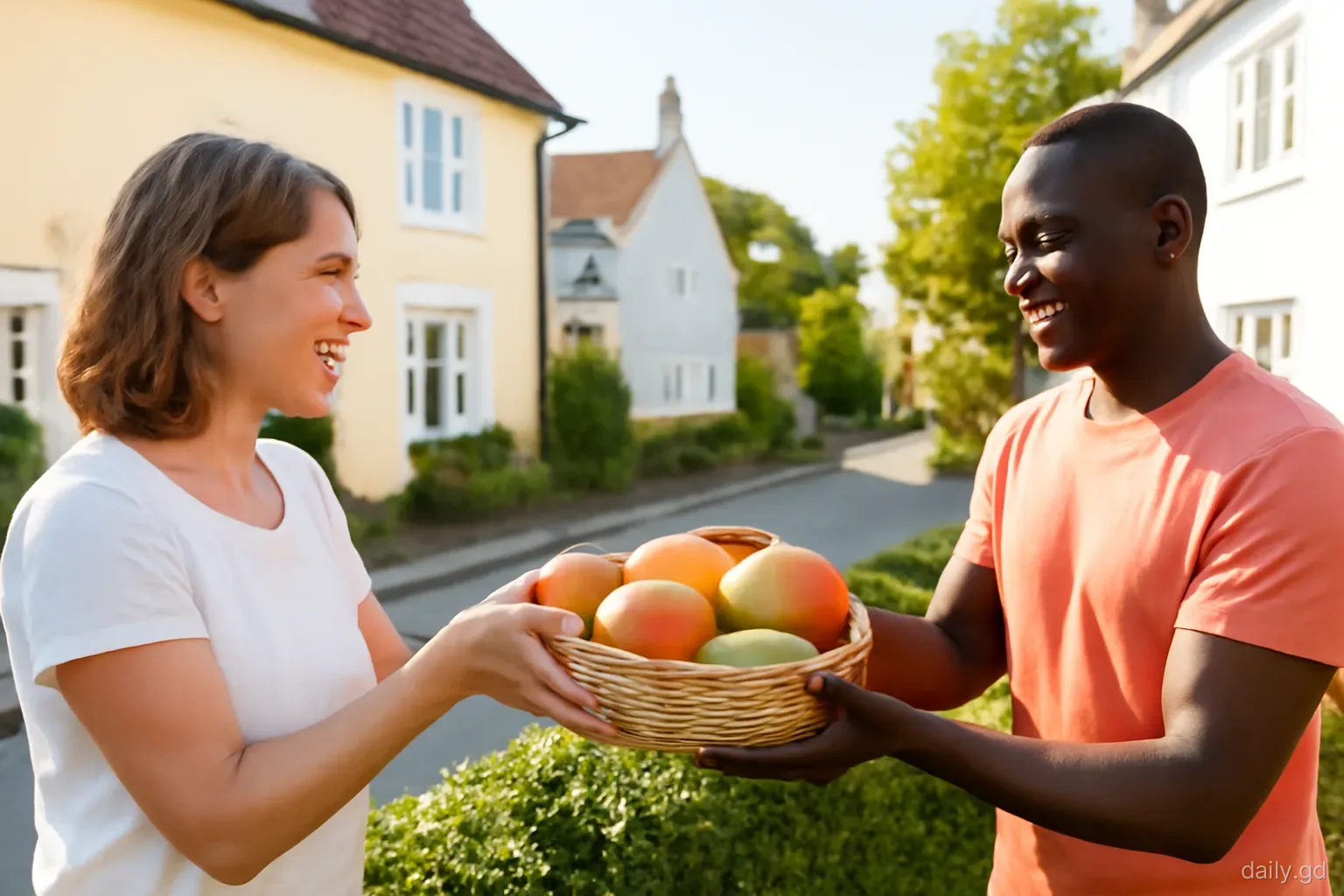
Organising a harvest or fundraiser takes many hands, and newcomers who offer to help are welcome. Tasks range from setting up tents and tables to cooking, serving at stalls, selling raffle tickets, handling cash, cleaning up afterwards and transporting goods. If you have a skill, such as baking, crafts, photography or bookkeeping, mention it. Contributing items is another option: a cake, a box of fruit from your trees, a plant you propagated, or a donated prize for the raffle.
Helping behind the stall is one of the fastest ways to become part of a community. You work alongside people for hours, learn names and recipes, and are remembered at the next event. Many expatriates and returning nationals say that their first real friendships in Grenada began at a church harvest or school fair, rather than at social events.
Etiquette and pitfalls
Do not haggle. Prices at fundraisers are set to raise money. Bargaining is out of place; pay the price or a little more.
Do not criticise the food. Stallholders have often cooked for days, unpaid. Compliment what you enjoy.
Check what you donate. If you give produce or goods, make sure they are in good condition. Donating rubbish is worse than giving nothing.
Respect the venue. Church grounds are still church grounds. Dress modestly and moderate drinking.
Do not expect receipts for tax. Small donations at harvests are not usually documented for tax purposes. Larger donations to registered charities may be; ask if it matters to you.
Do not leave rubbish behind. Plates, cups and bottles pile up fast. Use the bins, or take your rubbish home if they are full; volunteers will be cleaning long after you leave.
Budgeting for a year of fundraisers
Once you are part of a community, requests add up. In a typical year a resident might be asked to support their own church's harvest, a neighbouring parish's event, a school fair, several raffle books, a barbecue for a youth football team, a Christmas bazaar and at least one family appeal for medical costs. None of these is expensive on its own, with raffle tickets and food plates usually costing a few EC dollars to a few tens of EC dollars, but together they are a real line in the household budget.
Many residents set an informal annual amount and decide where it goes: their own congregation first, then causes on their street, then their children's school, then others as the budget allows. Spending your money at the stalls rather than simply handing over cash is part of the fun, because you go home with lunch, a cake and a bag of produce. Prices at harvests are generally fair, and the food is often better value than a restaurant meal, so supporting the cause rarely feels like a sacrifice.
Frequently asked questions
What is a church harvest in Grenada?
A church harvest is an annual thanksgiving and fundraising festival. It usually starts with a service and continues with stalls selling food, homemade ice cream, cakes, produce and crafts, along with raffles and games. Funds support the church and its community work.
When are church harvests held in Grenada?
Many are held between Easter and Pentecost, roughly April to June, though each church sets its own date and some hold harvests at other times of year. Dates are announced in church, on local radio and by word of mouth.
What should you bring to a church harvest in Grenada?
Cash in small notes, since most stalls do not take cards, plus bags or containers for food and produce. Dress modestly, arrive early for the best food, and be ready to buy raffle tickets and stay to socialise.
Do you have to buy raffle tickets when asked in Grenada?
No, but buying one or two from neighbours, colleagues or children selling for school or church is a friendly gesture. Tickets are usually inexpensive. A polite refusal is acceptable when you cannot support every cause.
Can non-members help at a church fundraiser?
Yes. Churches and organisers usually welcome extra hands for setting up, cooking, serving, selling tickets and cleaning up. Contributing food, produce or raffle prizes is also appreciated. Helping is one of the best ways to get to know a community.