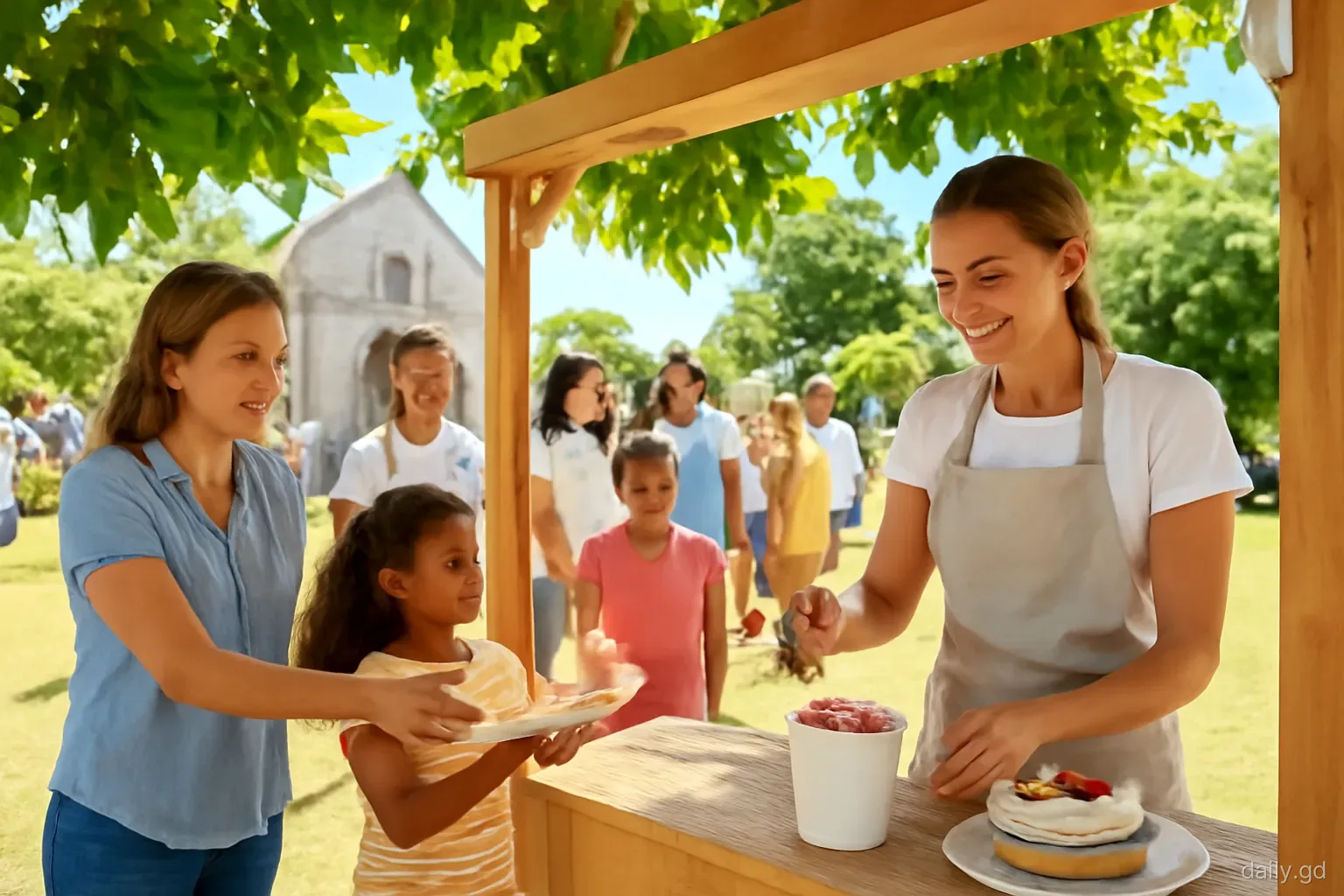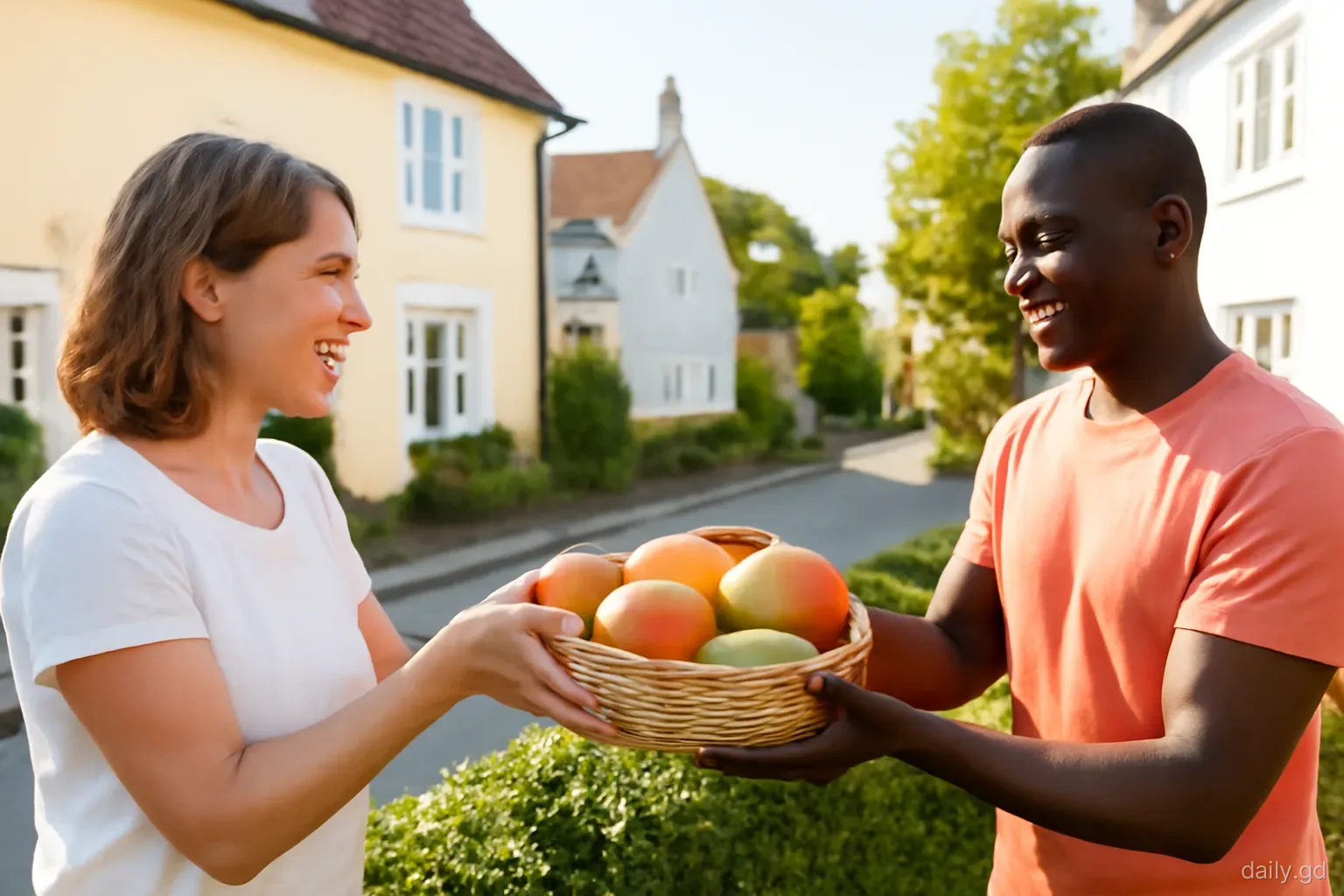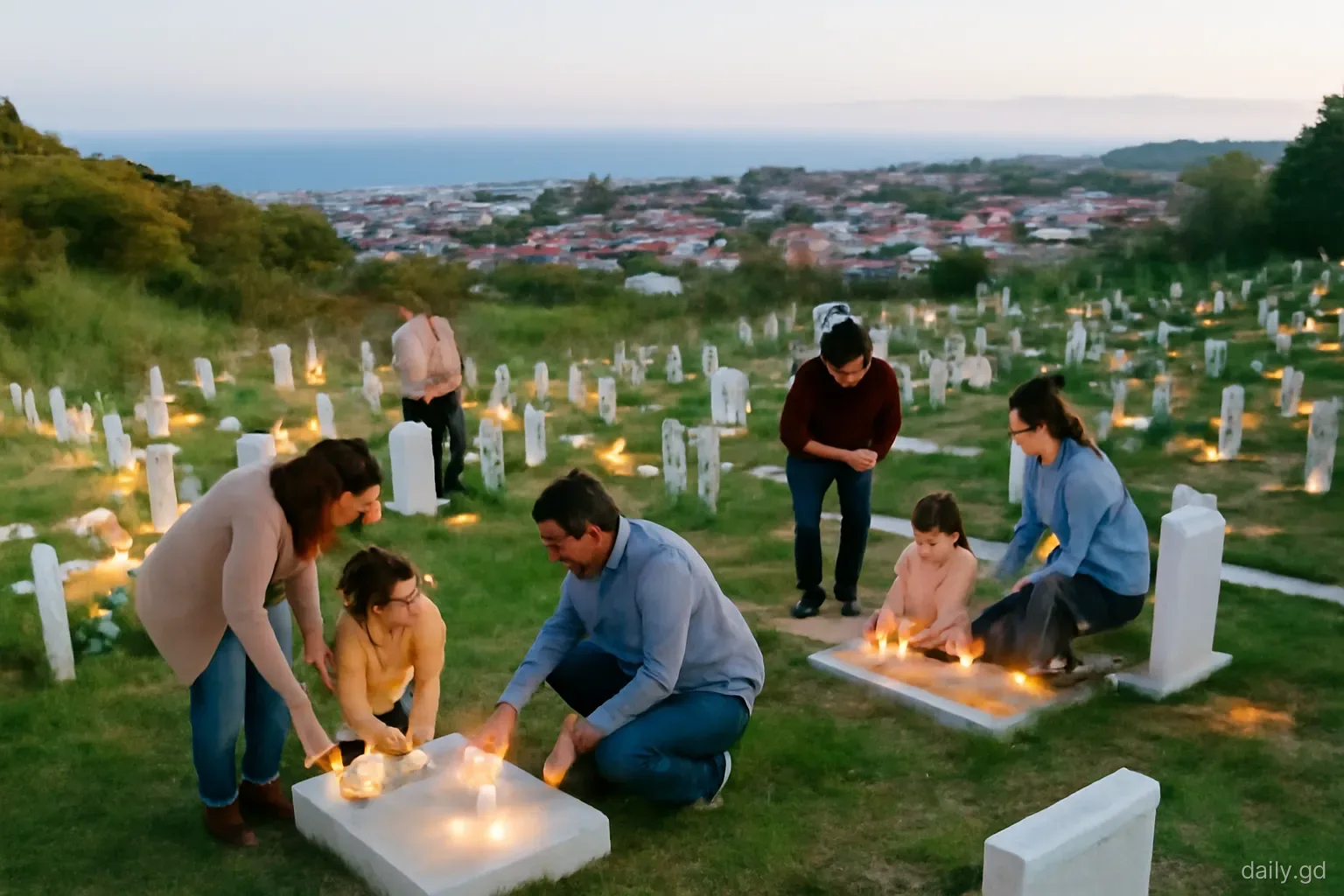
The hardest part of moving to Grenada is rarely the paperwork. It is building a social life from nothing on an island where most people already have dense networks of family, school friends and church members. Those networks are welcoming, but they do not open by themselves. Joining something, regularly, is what changes newcomers into neighbours.
The options are wider than many people expect for a country of around 125,000: sports clubs, the weekly hash, choirs and steel pan sides, sailing and diving groups, heritage and environmental organisations, service clubs, and countless informal groups that meet on beaches and in rum shops. This guide maps the landscape and explains how to find a place in it.
Sport: cricket, football and beyond
Sport is one of the quickest routes into Grenadian life. Cricket remains deeply loved, with village and club teams playing on pastures around the island and the national stadium hosting international matches. Football has an equally large following, and netball, basketball, volleyball, athletics and road running are popular. Grenada's pride in its athletes, including Olympic champion Kirani James and world champion javelin thrower Anderson Peters, runs deep.
Many clubs welcome adult players at a social level, and there are veterans' and recreational leagues. Even if you do not play, supporting a village team, turning up to matches and buying a drink at the clubhouse connects you to people quickly. Coaching or helping with youth sport is also valued. Ask at your local community centre, at the playing field in your village, or among colleagues, as many clubs have no formal online presence.
Outdoor and water groups
The Grenada Hash. The Grenada Hash House Harriers have met every Saturday afternoon since the mid-1980s for a walk or run through countryside and villages, finishing at a bar. It is one of the easiest ways for newcomers to meet a mixed crowd of Grenadians and expatriates.
Sailing. The Grenada Yacht Club in St George's and the sailing community around the southern bays run races, junior programmes and social events. Many cruisers based in Grenada form close-knit communities in anchorages such as Prickly Bay and Woburn.
Diving and snorkelling. Dive shops sometimes organise group dives, reef clean-ups and conservation activities that welcome residents.
Hiking groups. Informal hiking groups explore trails in Grand Etang, the north and the east. Ask around, as many organise through social media and word of mouth.
Swimming groups. Early-morning swimmers at Grand Anse and elsewhere often swim together regularly and welcome new faces who show up consistently.
Music and culture: choirs, steel pan and heritage
Music is everywhere in Grenada, and joining in is a joyful way to belong. Church choirs are always looking for voices, especially before Easter and Christmas, and some community and national choirs perform at major events. Steel pan sides rehearse in panyards around the island, particularly in the months before Spicemas in August and the Panorama competition. Some bands welcome adult beginners, especially if you commit to regular rehearsals; others may let you watch, help with logistics or support them as a fan.
Cultural organisations offer other routes. The Grenada National Trust works on heritage preservation, including documenting intangible traditions such as Big Drum and All Saints customs. Theatre groups, dance troupes and art collectives exist in St George's and around the island, and Carriacou has its own strong cultural life, from Big Drum to parang. Attending events, festivals and exhibitions is a natural first step, and volunteering at them often follows.
Service clubs and civic groups
For people who want to combine socialising with community work, civic organisations offer structure and connections:
- The Rotary Club of Grenada runs community projects and fundraisers, including the annual Christmas at the Point.
- The Rotaract Club of Grenada involves younger adults in service projects, with more than four decades of history.
- Other service clubs have had chapters on the island; ask locally about what is currently active.
- Parent-teacher associations at schools are active and welcome involved parents.
- Village councils and community development groups work on local improvements, clean-ups and events.
- Professional associations and the chamber of commerce offer networking for business owners and professionals.
- Women's groups, men's fellowships and seniors' groups are often linked to churches but may welcome others.
Expatriate and newcomer networks
Grenada has a sizeable international community, including students and staff at St George's University, retirees, remote workers and long-term sailors. Online groups for residents and cruisers share advice, recommendations and events, and are useful in the first months for practical questions. Social gatherings, quiz nights and beach events organised within these communities offer easy company.
They are a good starting point, but they work best as a bridge rather than a destination. Newcomers who socialise only with other expatriates often report feeling that they live alongside Grenada rather than in it. Balancing those networks with local clubs, church, sport and neighbourhood life builds a richer and more resilient social circle, and gives you people to rely on when you need help, such as after a storm or during illness.
How to join in successfully
Joining is simple; belonging takes time. Grenadian groups are often run by volunteers who have kept them going for years, and they notice who stays. A few principles that help:
- Choose one or two groups and commit to them, rather than sampling many.
- Show up consistently for months. Regular presence matters more than enthusiasm.
- Offer help: carry equipment, set up chairs, bring food, organise lifts.
- Learn names and greet everyone properly at each meeting.
- Listen more than you talk at first, and avoid comparing everything with home.
- Accept invitations that follow: a lime after practice, a family lunch, a funeral.
- Be patient. Friendships in Grenada often deepen slowly, but they tend to be lasting.
- Contribute to the group's fundraising, from buying raffle tickets to helping at its barbecue; it is how most clubs survive.
Common mistakes
Waiting to be invited. Grenadians are friendly, but many assume newcomers prefer their own company. Take the first step.
Taking over. Newcomers sometimes try to reorganise groups to work like clubs back home. Learn how things are done first.
Staying only in the expatriate bubble. It is comfortable but limiting. Mix it with local groups.
Giving up too soon. The first few months can feel slow. Most people who persist find a solid circle within a year or two.
Ignoring Carriacou's distinct life. If you live on Carriacou, its communities, regatta, Big Drum and village events are a world of their own; join in there rather than waiting for trips to Grenada.
Treating membership as a transaction. Groups run on goodwill. Paying a fee and expecting a service misses the point; giving time is what earns a place.
Beyond St George's: rural parishes and Carriacou
Most organised clubs cluster in the south, around St George's, Grand Anse and the bays where many expatriates live. In rural parishes such as St Patrick's, St Mark's and St John's, social life runs more through church, village sport, the rum shop and community events like Fisherman's Birthday in Gouyave or the Friday fish fry. Joining in there means turning up at those occasions rather than looking for a formal membership.
On Carriacou, community life is close-knit and heritage-rich. Regatta, the Parang Festival, Big Drum events and village celebrations bring people together, and after Hurricane Beryl in 2024 neighbourhood cooperation became even more central. Many groups there are informal; ask at church, at the shop or among neighbours what is happening. Living outside the main expatriate areas can feel isolating at first, but it often leads to deeper integration, because the people you meet are your actual neighbours.
Frequently asked questions
How do newcomers make friends in Grenada?
Join something regularly: a church, a sports club, the Saturday hash, a choir, a service club or a volunteer group. Greet people, learn names, offer help and accept invitations. Consistency over months matters more than any single event.
Is there an expat community in Grenada?
Yes. Students and staff at St George's University, retirees, remote workers and long-term sailors form an international community with online groups and social events. They are a useful starting point, best balanced with local clubs and community life.
Can adults learn steel pan in Grenada?
Some steel pan sides welcome adult beginners, especially those who commit to regular rehearsals, which intensify before Spicemas in August. Others may welcome you as a helper or supporter. Visit panyards, ask politely and be prepared to start slowly.
Are there sailing clubs in Grenada?
Yes. The Grenada Yacht Club in St George's runs races, junior sailing and social events, and the cruising community around the southern bays organises many activities. Contact clubs directly about membership and crewing opportunities.
What is the Grenada Hash and can anyone join?
The Grenada Hash House Harriers hold a walk or run every Saturday afternoon on trails through villages and countryside, finishing at a bar. Anyone can join for a small fee; it is not competitive and is a popular way for newcomers to meet people.