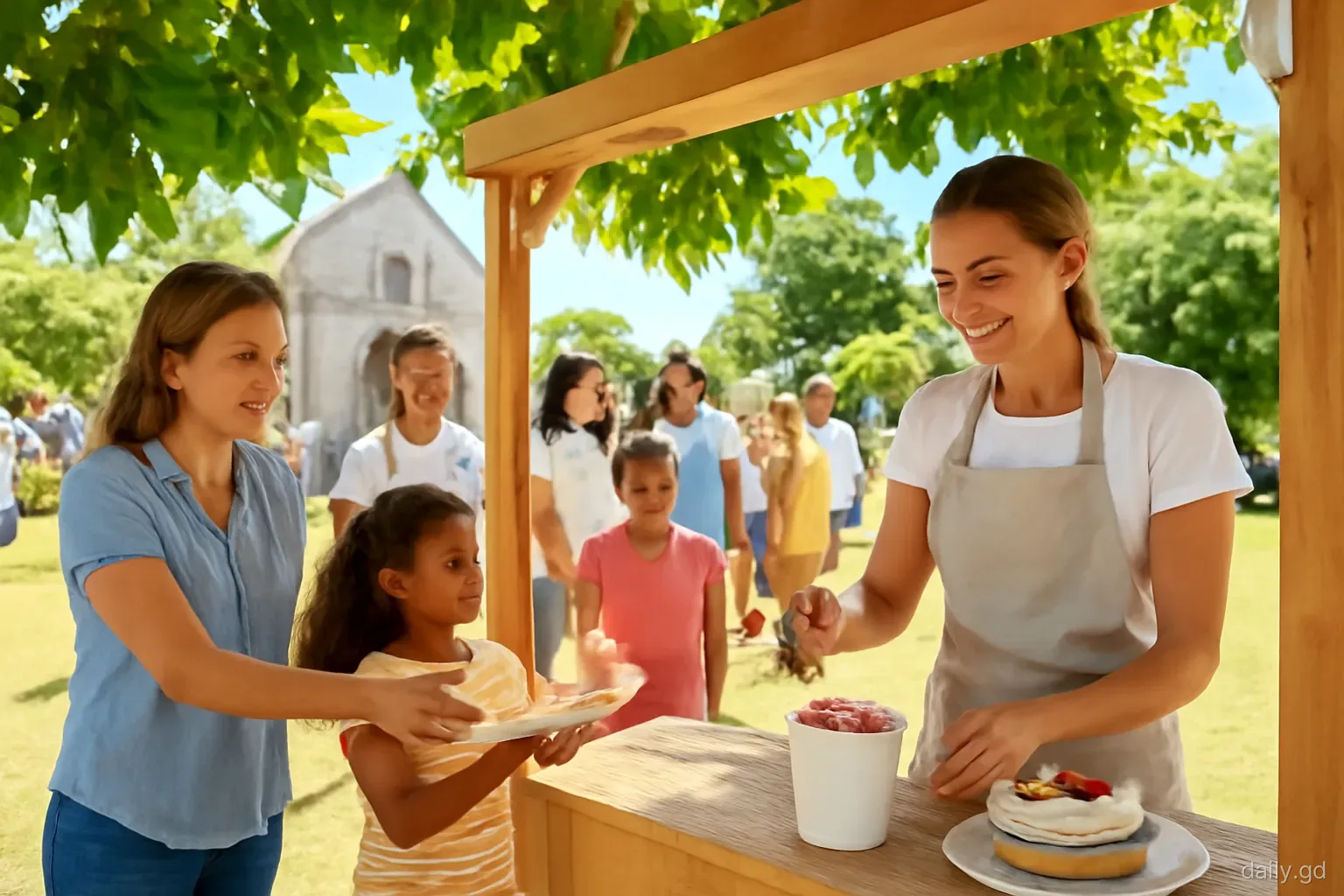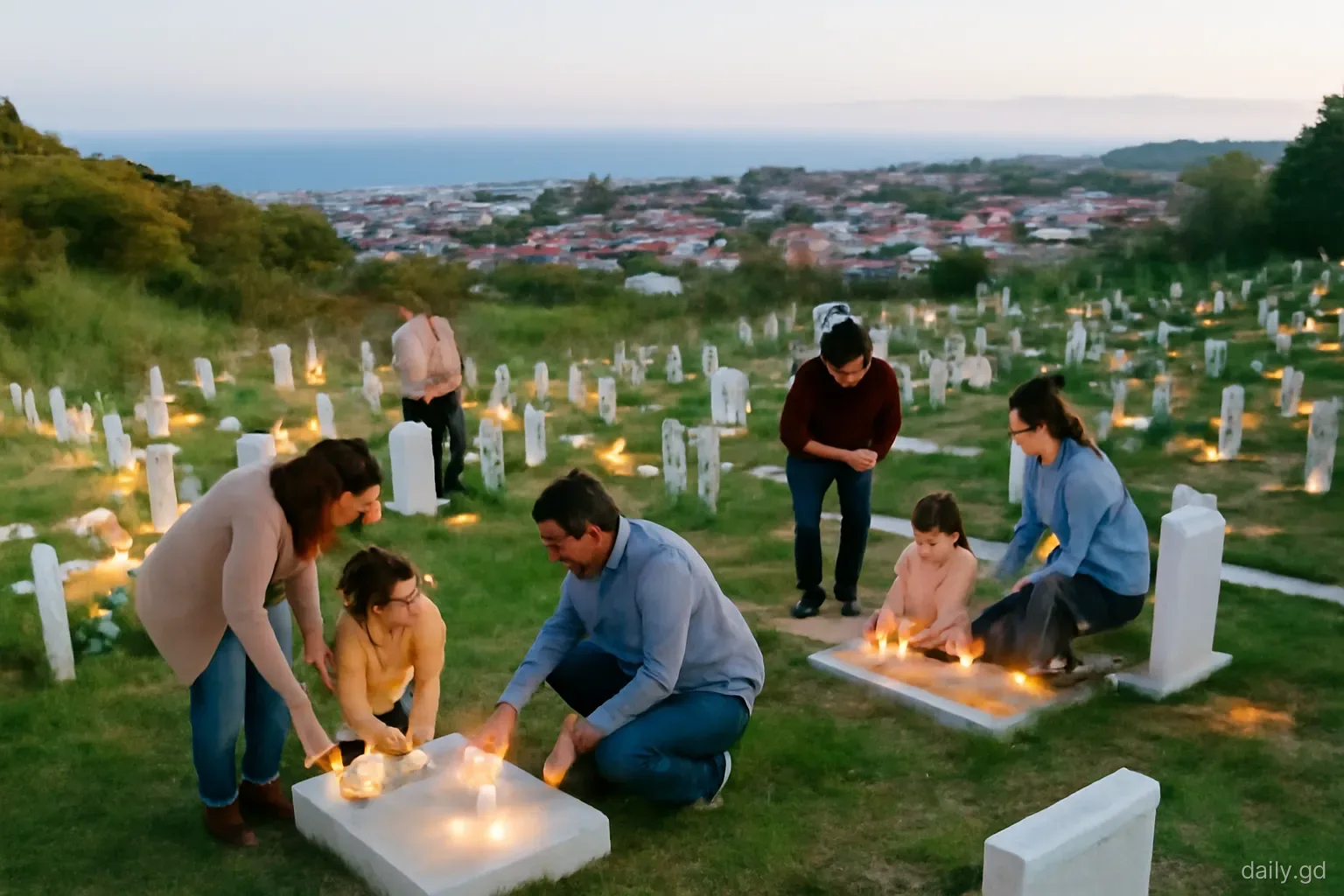

In Grenada your neighbours are not just people who live nearby. They may be the first to notice your door is left open, the ones who bring you a bag of mangoes, the people who check you are alive after a storm and who will sit with your family at your wake. Neighbourliness is a working system here, built on small daily courtesies and on favours remembered over years.
Newcomers who understand the unwritten rules settle in quickly. Those who keep to themselves behind a locked gate often find they are tolerated but never quite included. Here is what matters, from the first greeting to handling the disagreements that every street eventually has.
Greetings are not optional
The single most important rule is to greet people. "Morning", "Good afternoon" or "Good night", which in Grenada is often used as a greeting after dark rather than only a farewell, should be said to everyone you pass on the road, to the people at the bus stop, to the shopkeeper before you ask for anything, and to everyone when you walk into a room or onto a bus. Launching straight into a question without a greeting is considered rude, and people will notice.
Learn names, and use them. Older neighbours are often addressed as Miss, Mr or Auntie and Uncle with their first name, as a sign of respect, and children are taught to greet adults properly. When you meet a neighbour on the road, a quick exchange about the weather, the family or the latest news is normal; rushing past with a nod can seem unfriendly. These small moments are how relationships are built, and they cost nothing.
Sharing and reciprocity
Fruit is currency of goodwill. In mango, avocado, breadfruit or golden apple season, neighbours share surplus fruit. Accept graciously, and share back when your trees produce. A bag left on the gate is a gesture worth returning.
Food at special times. At Christmas, Easter or after a celebration, a plate of food or a slice of black cake may arrive. Return the plate clean, ideally with something on it.
Borrowing and lending. Ladders, cutlasses, tools, chairs for an event: borrowing is common. Return items promptly and in good condition, and offer your own in turn.
Fruit trees that cross boundaries. If your neighbour's mango tree hangs over your yard, picking fruit from it without asking can cause friction. Ask first; you will usually be told to help yourself.
Helping with labour. Neighbours help each other with tasks like pouring a concrete roof, clearing land or preparing for a funeral. Offering your hands when you see work being done is noticed and remembered.
Noise, music and roosters
Grenadian neighbourhoods are not quiet places. Roosters crow before dawn, dogs bark at night, church services carry across valleys, and at weekends sound systems at parties, bars and community events can play loudly well into the night. Saturday evening limes and Sunday afternoon music are part of life. Newcomers who expected tranquillity are sometimes caught off guard, and complaining about normal community noise can damage relationships quickly.
That said, there are limits, and Grenada has laws on noise nuisance. If a neighbour's music is persistently loud late at night, a polite word in person, at a calm moment, usually works better than calling the police. Approach it as a request rather than a complaint. Equally, be considerate yourself: warn neighbours if you are having a party, keep generators and power tools to reasonable hours, and remember that sound carries further in the hills than you think.
Yards, boundaries and burning
Many disputes between neighbours arise from the shared edges of property. Some guidance:
- Boundaries: survey lines in Grenada are not always clearly marked, and fences may not follow them exactly. Before building a wall or fence, talk to your neighbour and check your survey plan.
- Drainage: redirecting rainwater onto a neighbour's land during building work is a frequent source of conflict, especially on hillsides. Plan drainage carefully.
- Burning: burning garden waste and rubbish is still common in rural areas, but smoke drifting into homes causes resentment and health problems. Burn early, on calm days, away from houses, or use the garbage collection service and composting instead.
- Overgrown land: bush left uncut harbours mosquitoes, rats and snakes, and neighbours will mind. Keep your yard tidy, especially boundary areas.
- Animals: goats, sheep and cows straying into gardens cause friction in rural districts. If your animals stray, apologise and fix the fence.
- Dogs: keep your dogs contained, vaccinated and quiet at night where possible. A dog that chases pedestrians makes enemies fast.
Looking out for each other
The real value of good neighbours shows in difficult times. Before hurricane season, neighbours often share information about shelters, check that older residents have supplies, and help secure roofs and shutters. After a storm, the first people to clear a road, check on you and share water are usually those on your street, long before official help arrives. Many residents of Carriacou and Petite Martinique saw this after Hurricane Beryl in 2024.
Day to day, neighbours notice unfamiliar vehicles, keep an eye on houses when owners travel and call for help when someone falls ill. If you go away, tell a trusted neighbour, leave a contact number, and ask them to keep an eye on things; offer the same in return. If there is an elderly person living alone near you, a daily wave or a quick visit can make an enormous difference. This kind of watchfulness can feel intrusive to people from more private cultures, but it is one of the reasons many Grenadian villages feel safe.
Handling disputes without a feud
Talk early, in person. Small irritations become feuds when left to simmer. Raise issues calmly and face to face, not through others.
Mind the gossip. Villages talk. What you say about one neighbour will reach them, often with additions. Be discreet.
Use mediators. A respected elder, a pastor or a mutual friend can help settle disagreements before they escalate.
Know when to go formal. For serious matters, such as boundary encroachment or persistent nuisance, a lawyer, the physical planning authority or the police may be necessary, but try conversation first.
Do not escalate online. Posting complaints about neighbours on social media almost always makes things worse in a small community.
Keep the long view. You will likely live beside these people for years, and your families may attend each other's weddings and funerals. Winning an argument is rarely worth losing a neighbour.
Newcomers, renters and part-time residents
People who rent, or who spend only part of the year in Grenada, face particular challenges. Renters sometimes assume neighbourly obligations belong to the landlord, but neighbours see the person living in the house. Greeting, sharing and helping apply just the same. Part-time residents, especially owners of holiday homes in areas such as Lance aux Epines, Westerhall or parts of Carriacou, can be seen as outsiders who arrive, keep apart and leave. Making an effort to meet neighbours each time you return, and asking after their families, changes that perception quickly.
If you employ local people, such as a gardener, cleaner or caretaker, they are often neighbours too, and how you treat them will be known around the village. Pay fairly and on time, and treat them with respect. When you leave the island for months, arrange for someone to cut the grass, empty containers that hold water and check the house after storms, so your property does not become a problem for others. Small gestures on return, such as bringing something back for the neighbours who watched your house, are noticed and appreciated.
Frequently asked questions
Why is greeting people so important in Grenada?
Greetings show respect and acknowledge people as part of the community. Saying good morning, good afternoon or good night before speaking or when entering a room is expected. Skipping it is seen as rude, while greeting everyone builds goodwill quickly.
What does good night mean as a greeting in Grenada?
In Grenada, good night is commonly used as a greeting after dark, not only as a farewell. Saying it when you arrive at a shop or meet someone in the evening is normal and polite, just as good morning is used earlier in the day.
How do you deal with a noisy neighbour in Grenada?
Start with a polite word in person at a calm moment, framed as a request. Accept that some noise, such as roosters, church music and weekend limes, is part of life. If late-night noise persists, a mediator or ultimately the police can be involved.
Is it okay to pick fruit from a neighbour's tree that hangs over your yard?
Ask first. Many neighbours will happily tell you to help yourself, but taking fruit without asking can cause offence. Sharing fruit both ways is part of good neighbourly relations in Grenada, especially in mango season.
How can newcomers get to know their neighbours in Grenada?
Greet everyone, learn names, accept and return small gifts of fruit or food, attend local events, funerals and church activities, and offer help when you see work being done. Introducing yourself early and being present matters more than grand gestures.