A Grenadian kitchen cupboard tells you a lot about how people here cook. There will be rice and flour in quantity, a packet of saltfish, some dried peas, tins of evaporated milk, a jar of curry powder, nutmeg and cinnamon, and almost certainly something to make cocoa tea. With those in place and a trip to the market for fresh produce, most everyday Grenadian dishes are within reach.
This list is aimed at newcomers setting up a kitchen and at anyone who wants to cook local food regularly. It sticks to dry and long-life staples; fresh herbs, provisions, fish and meat are bought as needed. Storage matters as much as shopping in a hot, humid climate full of ants, so each group comes with a note on keeping it in good condition. Brands are left out on purpose: shelves change, and local vendors often sell the better version.
Starches and grains
1. Rice. White long-grain rice is the everyday staple, with parboiled rice preferred by some cooks for pelau and rice and peas because it stays separate. Buy in larger bags if you have airtight storage.
2. Flour. All-purpose flour for bakes, dumplings, roti skins and bread. Dumplings go into soups, oil down and stews.
3. Cornmeal. For cornmeal porridge, cou-cou style dishes and coating fish.
4. Macaroni. Essential for macaroni pie, a fixture of Sunday lunch and celebrations.
5. Oats. For oats porridge, a common breakfast, often cooked with milk, nutmeg and cinnamon. Rolled oats also stretch minced meat and fish cakes, and they keep well in a sealed jar for months, which makes them a sensible item to hold in reserve during hurricane season when fresh bread may be hard to get for a few days.
Peas, beans and preserved protein
6. Split peas. Yellow split peas for split pea soup and dhal-style dishes. They cook without soaking.
7. Red beans and lentils. Dried red kidney beans for stewed peas and rice and peas, plus lentils as a quicker option. Pigeon peas, fresh or tinned, are popular at Christmas.
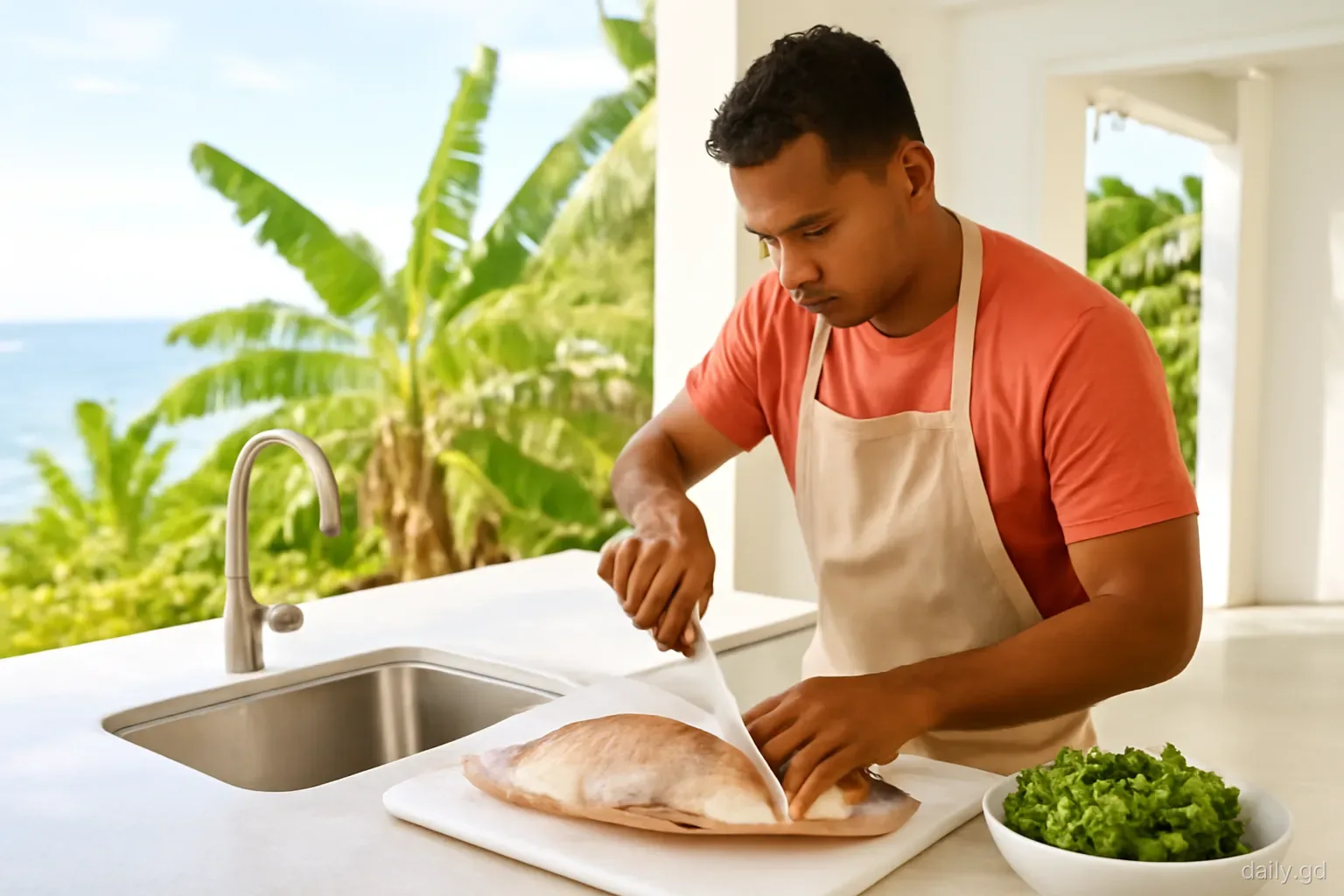
8. Saltfish. Salted dried cod, sold boneless or bone-in in packets or by weight. It needs soaking or boiling to remove salt and goes into breakfast dishes, fish cakes, oil down and with provisions.
9. Salted meats. Pig tail and salt beef add flavour to soups, peas and oil down. Like saltfish, they need boiling or soaking before use.
10. Tinned fish. Sardines, mackerel and tuna make quick lunches and are useful hurricane-season stock.
Milk, fats and liquids
11. Coconut milk. Fresh coconut milk, squeezed from grated dry coconut, is traditional for oil down and rice and peas. Tinned or powdered coconut milk is the convenient alternative.
12. Evaporated and condensed milk. Long-life tinned milks go into cocoa tea, punches, porridges and baking. Powdered milk is a cheaper everyday option for many households.
13. Cooking oil. Vegetable oil for frying bakes, fish and plantain, and for browning meat.
14. Browning. A dark caramelised sugar sauce used to give stewed chicken and meats their deep brown colour. Many cooks make it themselves by burning sugar in oil, but bottled browning is common.
15. Hot pepper sauce. Grenadian pepper sauces vary from mustard-yellow to fiery red. Every household has a favourite, often homemade.
Spices, seasonings and the cocoa shelf
16. Nutmeg, mace and cinnamon. Grenada's own spices go into porridge, cocoa tea, baking, punches and many savoury dishes. Whole nutmeg grated fresh is far better than ground.
17. Curry powder. Used for curry chicken, curry goat, curried channa and roti fillings, reflecting the Indian heritage in Grenadian cooking. Many cooks also keep geera (ground cumin).
18. Saffron, meaning turmeric. In Grenada "saffron" usually refers to turmeric, grown locally and used fresh or dried. It colours oil down, rice and curries. It is not the expensive crocus saffron of Europe.
19. Bay leaf, cloves, allspice and thyme. Dried bay leaf and cloves for sorrel, cocoa tea and stews; allspice for baking and meats; dried thyme for when fresh runs out.
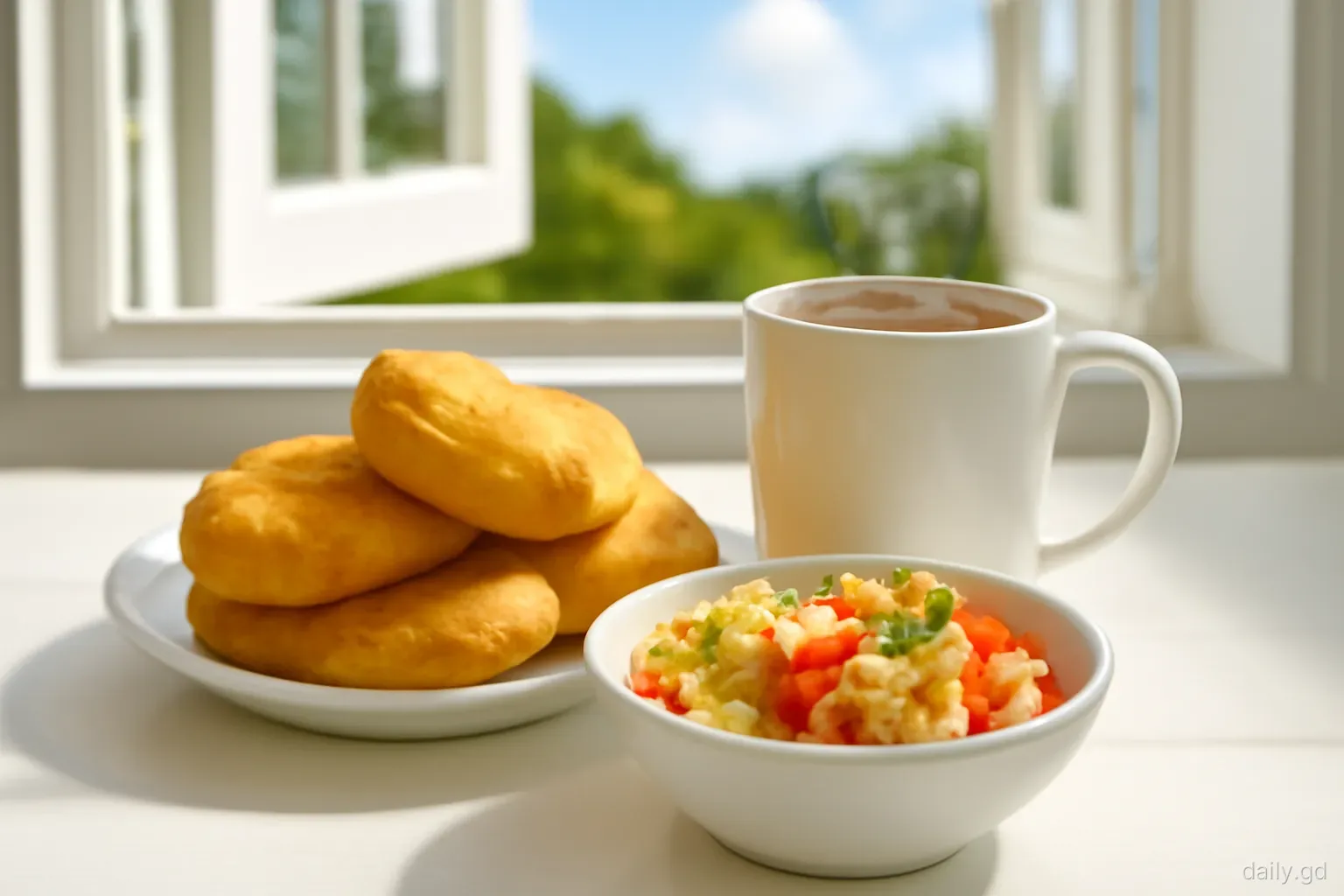
20. Cocoa balls or cocoa sticks. Locally made rolls of ground roasted cocoa, sometimes spiced, grated into hot water and milk with nutmeg, cinnamon and bay leaf to make cocoa tea.
Storing staples in heat and humidity
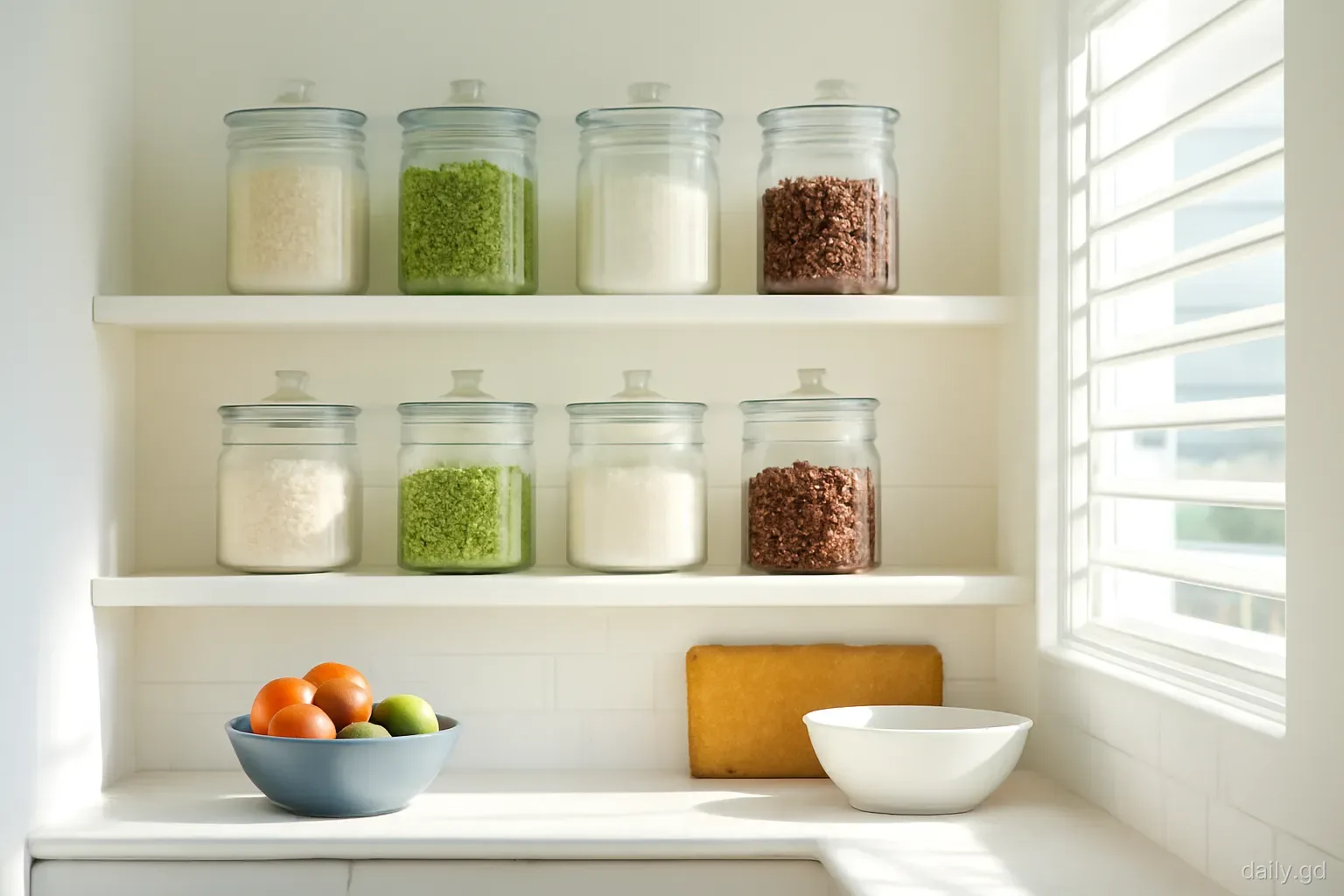
In a Grenadian kitchen, the biggest threats to dry goods are ants, weevils, cockroaches, mice and moisture. Every opened bag of rice, flour, sugar, cornmeal, oats or peas should go straight into an airtight container: screw-top glass jars, heavy plastic tubs with tight lids or sealed buckets for larger quantities. Paper and thin plastic bags offer no defence; ants will find a way in within hours.
Flour and cornmeal are particularly prone to weevils in warm weather. Buy amounts you will use within a month or two, or keep some in the fridge or freezer if there is room. Many households put a bay leaf in the flour and rice containers, a traditional deterrent. Sugar attracts ants above all else; keeping the jar in a shallow dish of water, or on a shelf with an ant barrier, is an old trick that works.
Spices lose flavour quickly in heat and light. Keep them in small, closed jars away from the stove, and buy whole nutmeg and cinnamon sticks to grate or break as needed. Saltfish and salted meats should be kept dry and cool, and refrigerated once opened in humid weather.
Building up the cupboard without overspending
There is no need to buy all twenty items in the first week. Start with rice, flour, oil, a few spices, saltfish and a type of dried peas, and add the rest as you cook new dishes. Watch supermarket offers on rice, flour, oil and tinned milk, which can make bulk buying worthwhile if you have good storage. Buy spices and cocoa from local vendors at the market, where they are fresher and usually cheaper than in tourist-oriented shops.
During hurricane season, from June to November, a well-stocked cupboard doubles as emergency supply. Tinned fish, tinned milk, crackers, peanut butter, oats and rice that can be cooked on a gas stove all count. Rotate this stock by using the oldest items first and replacing them, so nothing expires in the back of the cupboard. That way the emergency supply costs nothing extra over the year.
It also helps to think in meals rather than items. With rice, red beans, coconut milk, green seasoning and a piece of salted meat, you have rice and peas. With flour, oil and saltfish, you have bakes and saltfish for breakfast. With split peas, provisions and dumplings, you have a pot of soup that feeds a family for two days. A cupboard built around a handful of such combinations is cheaper and more useful than one filled with single ingredients bought for a recipe that is cooked only once.
Mistakes when setting up a kitchen
Leaving bags open. Ants and weevils move in fast. Decant everything into sealed containers on the day you shop.
Buying a giant sack too soon. Bulk only saves money if you can store it properly and use it before it spoils.
Confusing saffron. Recipes calling for saffron in Grenada mean turmeric. Using crocus saffron would be costly and taste wrong.
Skipping the saltfish soak. Saltfish cooked without soaking or boiling is far too salty. Allow time for it.
Storing spices over the stove. Heat and steam from cooking dull ground spices within weeks and make them clump. A cool cupboard on the far side of the kitchen keeps them lively much longer.
Throwing out stale bread and rice. Day-old rice becomes fried rice or rice pudding, and stale bread makes bread pudding, both long-standing Grenadian ways of wasting nothing.
Frequently asked questions
What is saffron in Grenadian cooking?
In Grenada, saffron usually means turmeric, which grows locally and is used fresh or dried to colour and flavour oil down, rice, curries and stews. It is not the costly crocus saffron used in European and Middle Eastern cooking. Ground turmeric works as a substitute.
How do you remove salt from saltfish?
Soak saltfish in cold water for several hours or overnight, changing the water a few times, or boil it in fresh water, drain and repeat once or twice. Taste a small piece before cooking. Boneless saltfish is easier to prepare, while bone-in is often cheaper.
What are cocoa balls used for?
Cocoa balls or sticks are rolls of ground roasted cocoa, sometimes mixed with spices. They are grated into hot water and simmered with milk, sugar, nutmeg, cinnamon and bay leaf to make cocoa tea, a traditional Grenadian breakfast drink. They are sold at markets and many shops.
How do you keep ants out of food in Grenada?
Store dry goods in airtight glass jars or plastic tubs with tight lids, wipe counters after cooking, keep sugar in a sealed container or stand it in a dish of water, and deal with crumbs quickly. Ant bait stations placed along their trails also help reduce numbers.
What is browning in Caribbean cooking?
Browning is a dark sauce made by caramelising sugar until almost burnt, used to give stewed chicken, beef and other dishes their deep brown colour and slightly bittersweet depth. Many cooks make it in the pot with oil and sugar; bottled browning is a convenient alternative.