Food behaves differently in Grenada. Bread that would last a week in a cool kitchen abroad grows mould in two or three days. A forgotten drop of juice brings a line of ants within the hour. Flour left in its paper bag develops weevils, and a power cut on a hot afternoon puts a full freezer at risk. None of this is a disaster once you know the habits that local households follow, but newcomers often lose a good deal of food in their first months.
This guide covers those habits, from the fridge and the cupboard to the counter and the freezer, with a section on power cuts and storm preparation. Most of it costs nothing; a few airtight containers and some ice are the only real investments.
The fridge is doing more work than you think
In a hot climate, a fridge runs harder and more often, and its door seal matters more. Keep the temperature cold enough, at or below about 4 degrees Celsius, and check that the door closes firmly with no gaps. A worn seal lets warm, humid air in, causes frost and condensation, and pushes up electricity bills. Replacing it is usually cheap.
In Grenada, many foods that sit on the counter or in the cupboard abroad belong in the fridge: opened jams and sauces, butter, bread in humid weather, peanut butter in some households, nuts, flour if there is room, ripe fruit you are not eating today, and most leftovers. Do not overload the fridge, though; cold air needs to circulate, and a crammed fridge warms up quickly every time the door is opened.
Let hot food cool for a short time, then refrigerate it within a couple of hours. Leaving a pot of stew on the stove overnight, as some people do in cooler countries, invites spoilage in tropical warmth.
Ants, weevils and cockroaches
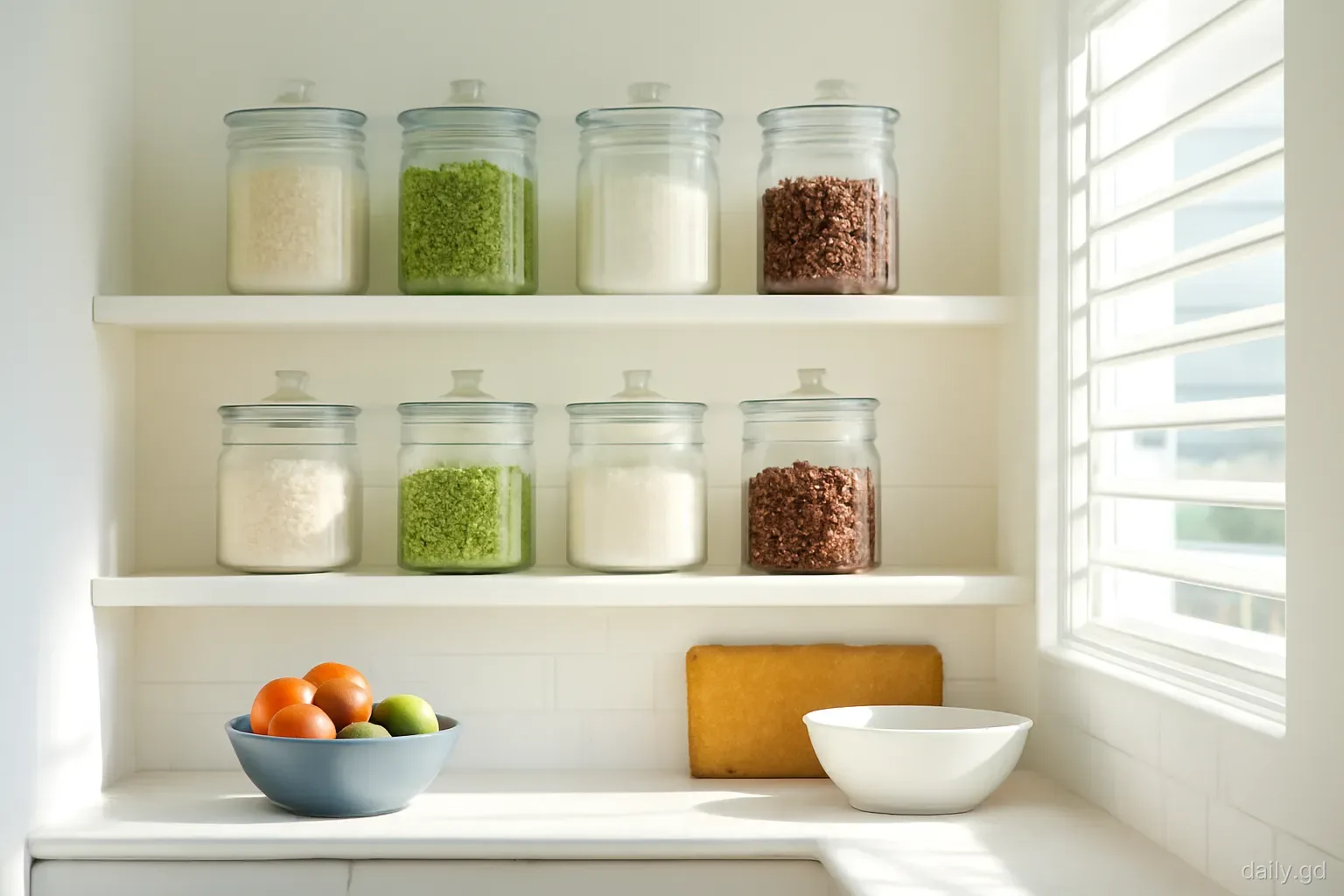
Seal everything. Ants find sugar, honey, flour, bread, pet food and crumbs fast. Store dry goods in airtight glass jars or heavy plastic tubs with tight lids, not in bags.
Use water moats. A traditional trick is to stand the sugar jar, honey or a fruit bowl in a shallow dish of water, which ants will not cross. Some people do the same with table legs.
Clean up at once. Wipe counters, stove tops and sinks after cooking and before bed. A sticky ring from a juice glass is enough to attract a column of ants.
Watch the flour. Weevils hatch in flour, cornmeal, rice and oats in warm weather. Buy amounts you will use within a month or two, freeze new bags for a couple of days to kill eggs, and keep a bay leaf in the container.
Deal with cockroaches. Keep drains covered, empty kitchen bins daily, and use bait stations rather than sprays near food. Cardboard boxes from shops can carry eggs in; unpack and discard them outside.
Take rubbish out daily. Food waste ferments quickly in heat. A covered bin outside, collected on schedule, keeps flies and pests away from the kitchen.
Bread, produce and humidity
Bakery bread has no preservatives and moulds quickly, especially in the rainy season. Buy small amounts often, keep what you will eat today in a bread bin or cloth, and refrigerate or freeze the rest. Frozen slices toast straight from the freezer. Coconut bread and sweet buns behave the same way.
Fresh produce needs sorting as soon as it comes home. Bananas, plantains, mangoes, avocados and papaya ripen fast on the counter; keep them in a cool, airy spot away from direct sun, and move them to the fridge once ripe. Tomatoes keep best out of the fridge until ripe, then inside. Leafy greens and herbs should be wrapped in a slightly damp cloth or paper towel in the fridge. Provisions such as yam and dasheen keep for days in a cool, dark, dry place, but sweet potato and cut provisions spoil faster.
Humidity also attacks crackers, biscuits, cereals and spices, which go soft or clump within days once opened. Close packets tightly with clips or transfer them to jars.
Cooked food, rice and leftovers
Cooked rice deserves special mention, because it is eaten daily in most Grenadian homes and is one of the foods most often linked to stomach upsets when left warm. Cool leftover rice quickly by spreading it in a shallow dish, refrigerate it within an hour or two, and eat it within a day, reheating it until steaming hot throughout. The same applies to peas, stews and soups: divide large pots into smaller containers so they cool faster.
Lunch boxes are another weak point. Food packed in the morning and left in a hot car, classroom or office until noon spends hours in the temperature range where bacteria multiply fastest. An insulated lunch bag with a small ice pack, or a frozen bottle of water that thaws by lunchtime, keeps it safe. Many Grenadian workplaces have a fridge or microwave; use them.
When the power goes
Power cuts happen, from planned maintenance announced by the electricity company to unplanned outages after storms. A routine helps protect your food:
- Keep the fridge and freezer doors closed as much as possible. A full freezer generally stays frozen far longer than a half-empty one if left shut.
- Fill spare freezer space with bottles of water or ice blocks in normal times. They keep the freezer cold during outages and provide drinking water as they thaw.
- Eat perishable fridge food first during a longer outage: dairy, cooked leftovers, cut fruit.
- Use a cooler with ice for items you will need, so you are not opening the freezer repeatedly.
- Once power returns, check food. Meat, fish and dairy that have warmed and stayed warm for several hours should be discarded. Food with ice crystals still in it can usually be refrozen or cooked.
- If outages are frequent, consider a small generator, inverter or solar backup for the fridge and freezer, sized properly and installed safely.
Preparing the kitchen for hurricane season
From June to November, it makes sense to shape what you store around the possibility of days without power or easy shopping. Run the freezer down a little as a storm approaches rather than stocking it fuller; cook and eat what is in it, or share it with neighbours. Build a supply of food that needs no fridge and little or no cooking: tinned fish and meat, tinned and powdered milk, crackers, peanut butter, oats, dried fruit, cereal and bottled water.
Keep the gas cylinder topped up, since a gas stove keeps working when electricity does not, and have matches or a lighter in a sealed bag. A manual can opener is essential. After a storm, follow official advice about the water supply before drinking from taps, and boil or treat water if told to. Use stored food in rotation through the year so that nothing expires unseen in the back of the cupboard.
Mistakes newcomers make
Leaving bread on the counter for days. In humid weather mould appears quickly. Freeze what you will not eat soon.
Storing dry goods in their bags. Ants and weevils move in. Transfer to airtight containers on the day you shop.
Opening the freezer during a power cut. Every opening lets cold out. Plan what you need and open it once.
Ignoring the fridge seal. A small gap costs food and money every day.
Keeping too much. Buying more than you can store properly leads to waste. Shop little and often for perishables.
Trusting the smell alone. Some spoiled food, especially cooked rice and meat left warm, can look and smell fine yet still cause illness. When in doubt about how long something sat out, throw it away.
Frequently asked questions
Why does bread go mouldy so fast in Grenada?
Heat and humidity create ideal conditions for mould, and fresh bakery bread usually contains no preservatives. Buy small amounts often, keep only what you will eat soon on the counter, and refrigerate or freeze the rest. Frozen slices can be toasted straight from the freezer.
How do you stop ants getting into food?
Store food in airtight containers, wipe surfaces after cooking, take rubbish out daily and use shallow water moats under sugar jars or fruit bowls. Ant bait stations along their trails help reduce colonies. Avoid leaving pet food out for long periods.
How long does a freezer stay cold in a power cut?
A full freezer kept closed usually stays frozen considerably longer than a half-empty one, often around a day or more depending on the model and room temperature. Filling empty space with frozen water bottles helps. Avoid opening it, and check food carefully when power returns.
How do you keep flour free of weevils?
Buy flour in quantities you will use within a month or two, freeze new bags for a couple of days to kill any eggs, then store it in airtight containers. Many households add a bay leaf. Keeping some flour in the fridge also helps in very warm weather.
What food should be stored for hurricane season?
Keep food that needs no refrigeration and little cooking: tinned fish and meat, tinned or powdered milk, crackers, peanut butter, oats, cereal, dried fruit, rice and bottled water. Have a manual can opener, a full gas cylinder and matches. Rotate stock through the year.