Funerals in Grenada are community events. A death in the village brings neighbours to the house within hours, the announcement goes out on the radio, and the funeral itself can fill a large church with people who knew the deceased from school, work, the rum shop or the next yard. Attending is a way of showing respect not only to the dead but to the family and to the community they belong to.
Newcomers are often unsure whether they should go, what to wear and what happens. In most cases, if you knew the person or the family, your presence will be appreciated. This guide covers the sequence from announcement to burial and the etiquette that matters. For the official steps after a death, such as registration and certificates, see the government process; this piece is about attending.
How news of a death travels
Death announcements on radio remain a Grenadian institution. Stations broadcast notices naming the deceased, often with a nickname, their village and long lists of surviving relatives at home and abroad, along with funeral arrangements once they are fixed. Many older people still listen for them daily. Funeral homes and families now also post notices on social media, and word spreads quickly through churches and neighbourhoods.
Funerals are often held a week or more after the death, partly to allow relatives to fly in from the United States, Canada and the UK. In the meantime, the family receives visitors. If you hear of a death in your neighbourhood, a visit to the family home to offer condolences is appropriate and expected. You do not need to stay long; a few words, perhaps a contribution of food or drink, and an offer of help are enough.
The wake and the nights before
What a wake is. In the evenings between death and funeral, family, friends and neighbours gather at the home of the deceased. There is hymn singing, prayer, storytelling and sometimes games of cards or dominoes, with food and drink such as cocoa tea, coffee, bread and rum. It is sociable as much as solemn.
Should you go? If you know the family, yes, at least once. Arrive in the evening, greet the family members first, and stay for a while. Joining in the hymns, even quietly, is appreciated.
What to bring. Food, soft drinks, coffee, sugar or a bottle are welcome contributions, as the family will be feeding many people over several nights. Some people give an envelope of cash quietly to a close family member.
Nine night. Some families hold a larger gathering on the ninth night after death, with prayer and singing. Practice varies between families and areas.
On Carriacou. Traditions linked to ancestors are especially strong. The Big Drum is played at occasions such as tombstone raisings, held some time after burial, often with a feast for the community.
What to wear
Dark or sombre clothing is the safe default: black, navy, grey or white, which is also traditional for mourning. Some families specify a colour, such as all white, or a colour the deceased loved, and this will usually be mentioned in the announcement or the programme. Family members may wear matching outfits or T-shirts printed with the person's photograph.
Dress as you would for a formal church service: long trousers and a collared shirt for men, often with a tie or jacket; dresses or skirts below the knee for women, with shoulders covered in church. Comfortable but respectable shoes matter, as you may walk to the cemetery over rough ground, and some burial grounds are on hillsides. Bring a small umbrella for sun or rain and a handkerchief or fan. Avoid bright party clothes, shorts and beachwear.
The funeral service
Most funerals are church services, following the tradition of the deceased: Catholic Requiem Mass, Anglican or Methodist burial service, Adventist or Pentecostal homegoing service. Expect a printed programme with photographs, hymns, readings, tributes from family and friends, a eulogy and sometimes musical items. Services commonly last one to two hours, longer if there are many tributes.
Arrive early. Popular funerals fill churches, and late arrivals may stand outside, where speakers sometimes relay the service. Front pews are reserved for family; sit further back unless invited forward. There may be a viewing of the body in an open casket before or during the service; you can file past and pause respectfully, or remain seated if you prefer. Emotions are expressed openly, and loud grief is normal and accepted. Keep your phone silent and do not take photographs unless the family has clearly invited it.
At the cemetery and afterwards
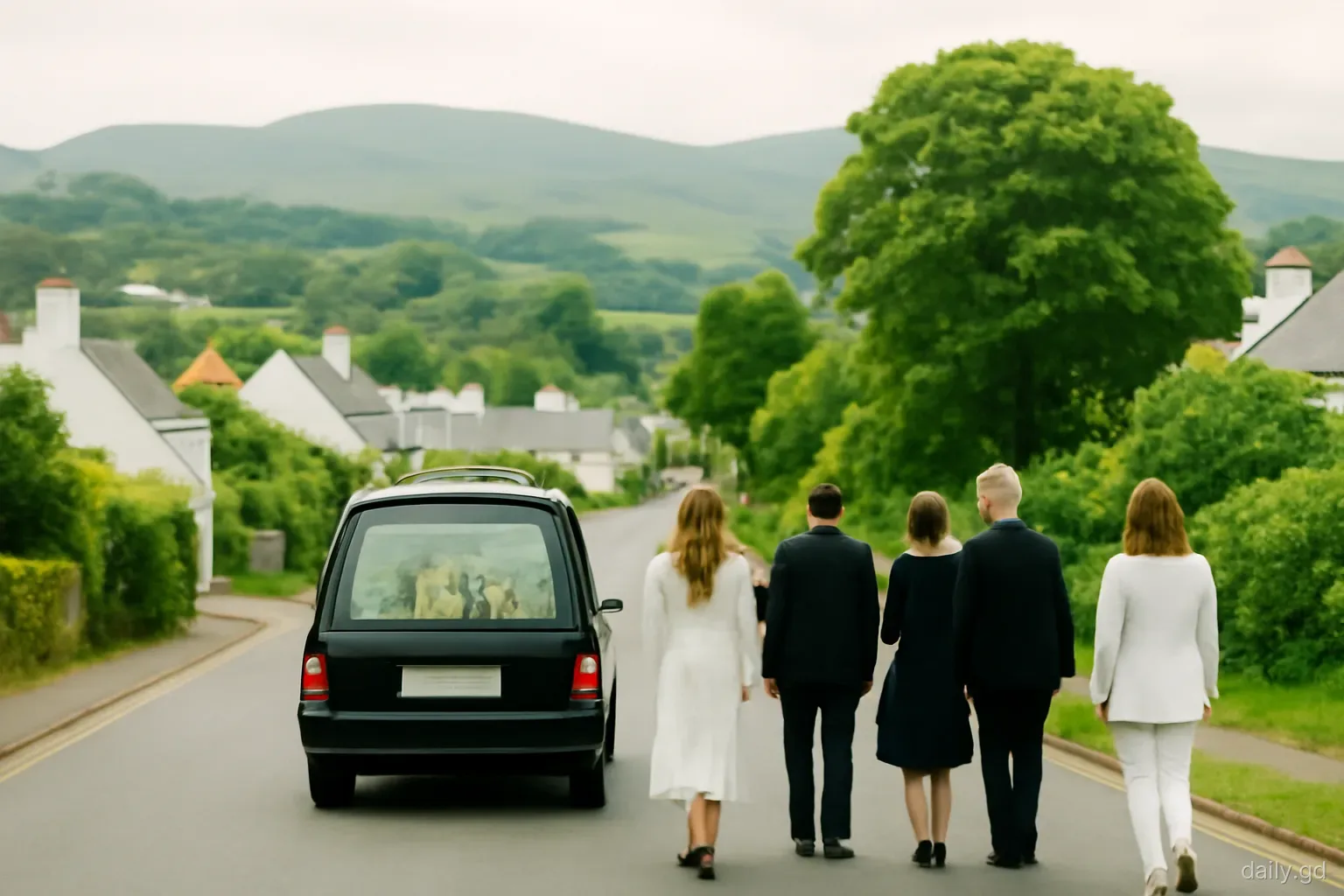
After the service, the casket is taken to the cemetery, often followed by a procession of mourners on foot or in cars. What to expect:
- Burials take place in church cemeteries, public cemeteries and, in some areas, family plots. Graves are often prepared by hand.
- There are prayers at the graveside, often hymns, and sometimes the lowering of the casket by relatives and friends.
- In some communities, men from the village help fill the grave while hymns are sung. You may be invited to throw a handful of earth.
- Tributes such as wreaths are laid. Flowers can be ordered through florists or the funeral home.
- After the burial, there may be a reception or repast at the family home, church hall or another venue. If invited, go briefly at least.
- Weeks or months later, families may hold memorial services or, especially on Carriacou, a tombstone feast when the headstone is placed.
Mistakes to avoid
Skipping the family. Greet close relatives and say a few words of sympathy. "Sorry for your loss" or "My condolences" is enough; stories about the deceased are welcome.
Leaving before the burial. If you can, stay through to the graveside. Leaving after the church service is acceptable for those with commitments, but the burial matters to families.
Taking photographs. Unless the family has arranged a photographer or invited it, do not photograph the casket, the body or grieving people.
Talking business. A funeral or wake is not the place to chase debts, discuss property or sell anything.
Forgetting the follow-up. A visit or call a few weeks later, when the crowds have gone, is often valued more than anything said on the day.
Helping the family in practical ways
A Grenadian funeral is expensive and labour-intensive for the bereaved family. Feeding visitors at nightly wakes, preparing the house, arranging transport for relatives arriving at Maurice Bishop International Airport, printing programmes and paying the funeral home all fall on them at the worst possible time. Neighbours and friends traditionally step in, and practical help is often more valued than words.
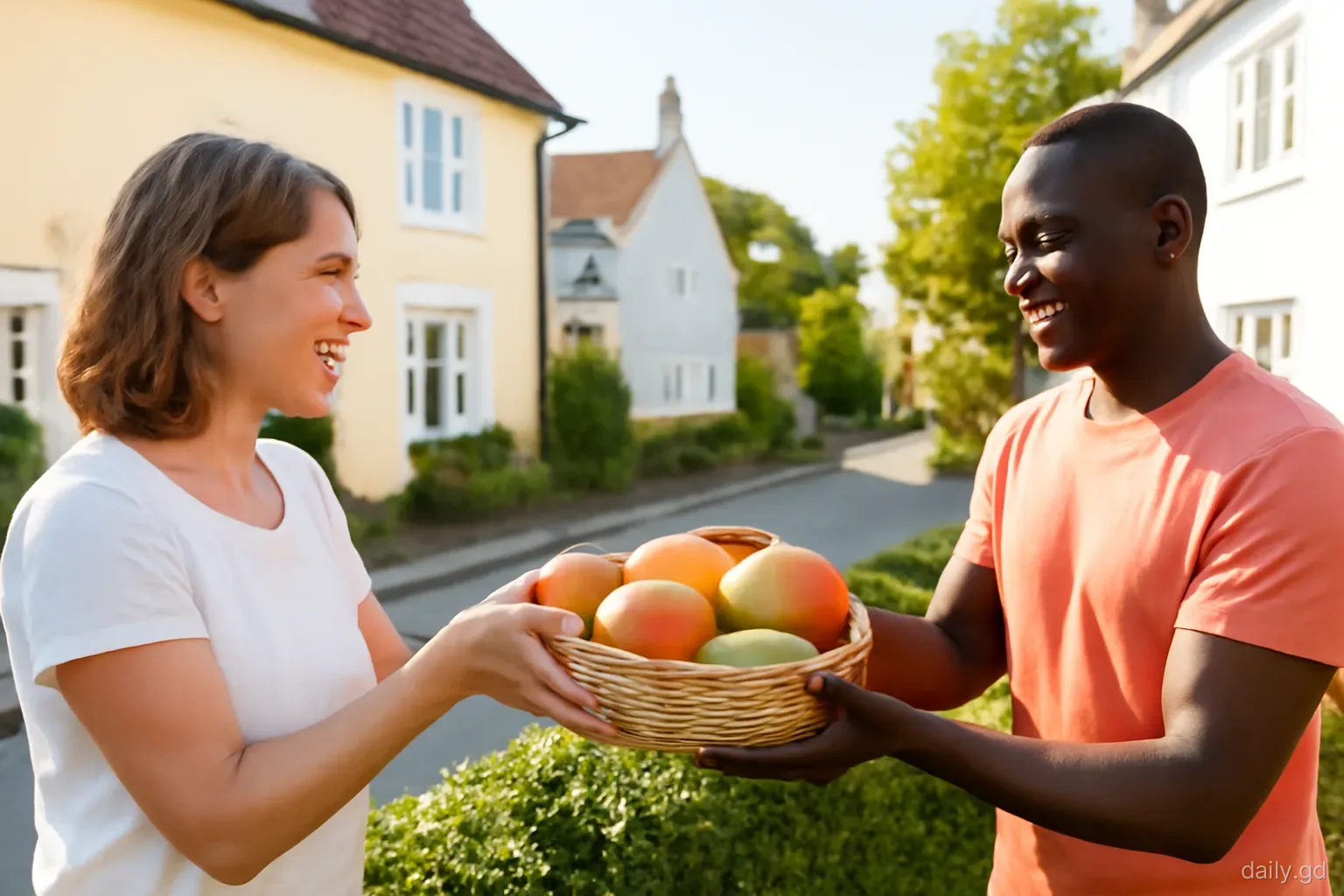
Useful offers include cooking a pot of food for the wake, lending chairs, tables or a tent, collecting relatives from the airport, looking after children, cleaning, or running errands in town. Be specific: an offer to bring a pot of pelau on Thursday is far easier to accept than a vague promise to help with anything. Families often keep a mental list of who brought what, not to keep score but to return the kindness when your own family faces a loss; that exchange is part of how Grenadian communities hold together. Church groups often coordinate this, so if you belong to the same congregation, ask the organisers where help is needed. After the funeral, the family may be left with a quiet house and bills. A visit, a meal or help with sorting belongings in the following weeks is long remembered. If the deceased was elderly and lived alone near you, keeping an eye on the empty house until the family decides what to do is a kind, neighbourly gesture.
Frequently asked questions
Can you attend a funeral in Grenada if you barely knew the person?
Yes, if you knew the family or were part of the same community. Funerals are public, and attending shows respect. Dress appropriately, sit towards the back and greet the family briefly. If you never met anyone involved, it is better not to attend.
What do people wear to funerals in Grenada?
Dark colours or white, dressed as for a formal church service. Families sometimes request a specific colour, often stated in the announcement. Men usually wear long trousers and a collared shirt, women a modest dress or skirt. Avoid bright party clothes.
What happens at a wake in Grenada?
Family, friends and neighbours gather at the home of the deceased in the evenings before the funeral. People sing hymns, pray, share memories and sometimes play cards or dominoes, with food and drink. It is a social time as well as a mourning one.
Is it appropriate to give money to a grieving family in Grenada?
Yes. Contributions of food, drink or cash help with the cost of wakes and the funeral. Give money discreetly in an envelope to a close family member, with a note or card. The amount is personal; what matters is the gesture.
How do you find out about funerals in Grenada?
Through death announcements on local radio, notices posted by funeral homes and families on social media, and word of mouth through churches and neighbourhoods. Announcements give the time and place of the service and burial once arranged.