Church is woven into Grenadian life in a way that surprises many arrivals from more secular countries. Most people identify as Christian, schools are often run by churches, funerals and weddings are church affairs, and a pastor or priest is frequently the first person a family calls in a crisis. Even people who rarely attend keep a church they consider theirs.
For a newcomer, joining a congregation is one of the quickest routes into a community, whether your motive is faith, belonging or both. The choice is wide for a small island, and the experience varies enormously between a quiet Anglican service and a three-hour Pentecostal one. Here is how the landscape looks and how to find a place that suits you.
The religious landscape in numbers
The last census to record religion in detail, in 2001, found Roman Catholics at about 44 percent of the population, Anglicans at about 12 percent, and Pentecostals and Seventh-day Adventists at about 11 percent each. Methodists, Presbyterians, Baptists, the Church of God and various evangelical congregations each accounted for at least a couple of percent, and around 4 percent described themselves as having no religion. More recent estimates show broadly the same picture, with evangelical and Pentecostal churches growing.
There are also Spiritual Baptists, whose worship blends Christian and African traditions with hymns, bells, candles and periods of fasting and prayer; smaller communities of Muslims, Baha'is, Hindus and Jehovah's Witnesses; and the Rastafari movement, which is part of the island's cultural fabric. Religious affairs sit under the Ministry of Mental Health, Wellness and Religious Affairs, and the Conference of Churches Grenada brings several of the main denominations together on social and national issues.
What the main traditions feel like on a Sunday
Roman Catholic. The largest church, with a parish in every corner of the island and the Cathedral of the Immaculate Conception overlooking St George's. Mass usually runs around an hour, follows a familiar order, and is often well attended, with several times on Sunday in larger parishes and Saturday evening vigil Masses in many.
Anglican. Historic stone churches in most towns, St George's Anglican Church among the best known. Services are structured, with hymns and a choir, and congregations tend to be older. Expect formality, warmth and a long chat outside afterwards.
Methodist and Presbyterian. Smaller congregations with deep roots. St Andrew's Presbyterian, the Scots Kirk in St George's, was badly damaged in Hurricane Ivan in 2004, and restoring it has been a long effort; check current arrangements for worship.
Seventh-day Adventist. A large and active church that worships on Saturday, the Sabbath, from Friday sunset to Saturday sunset. Sabbath School, a morning service and afternoon activities can fill much of the day. Many Adventists avoid pork and alcohol.
Pentecostal and evangelical. Lively, music-heavy services with bands, spontaneous prayer and testimony. Two to three hours is normal, and newcomers are often welcomed by name from the front. Midweek prayer meetings and youth nights are common.
Dress, timing and etiquette
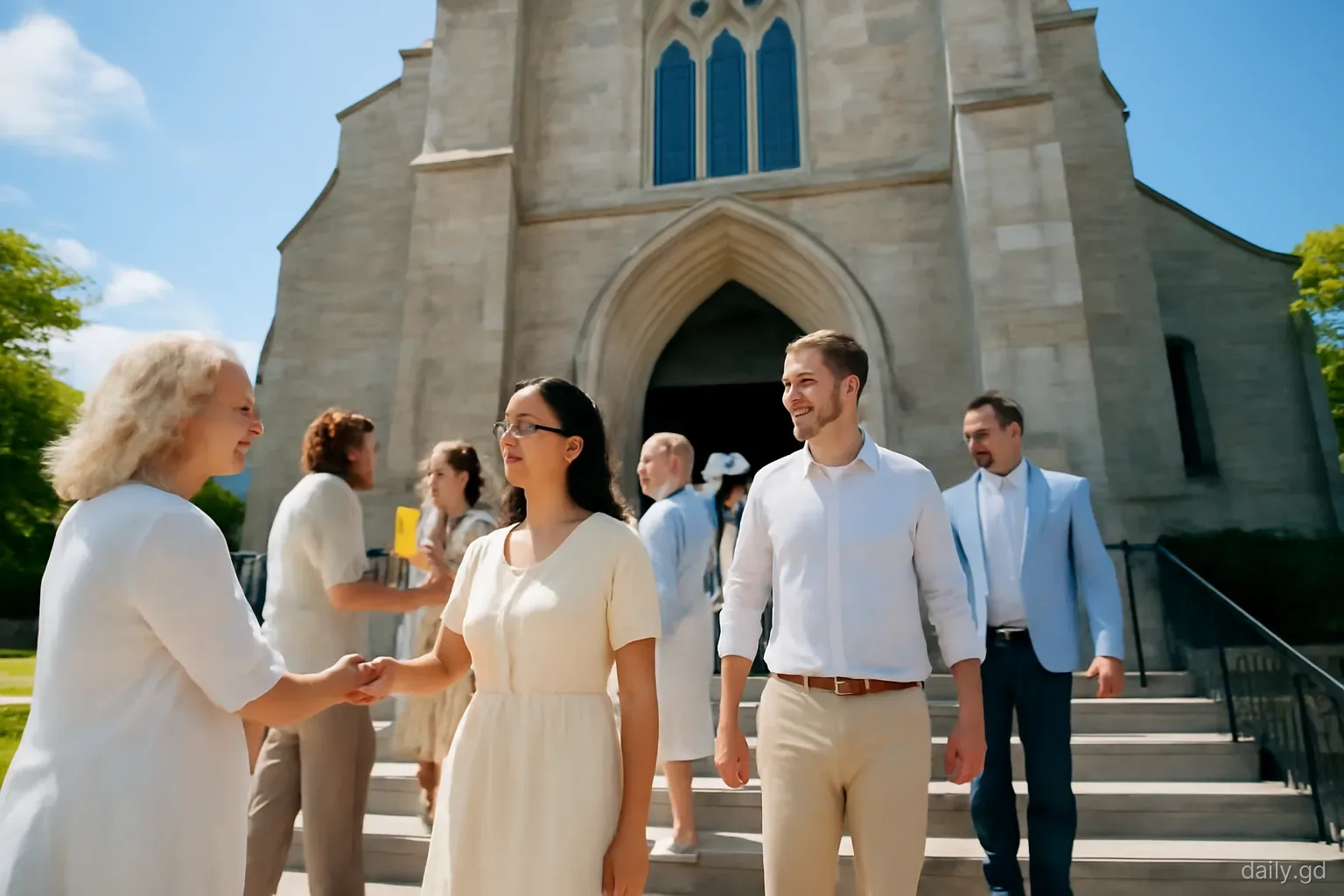
Grenadians dress up for church. Women commonly wear dresses or skirts below the knee, often with covered shoulders, and some older women still wear hats. Men wear long trousers and collared shirts; jackets and ties are common at Anglican, Catholic and Adventist services, especially for those taking part. Shorts, beachwear and flip-flops will stand out, and in some congregations they will be politely noticed. Children are turned out immaculately. When in doubt, dress one notch smarter than you think necessary.
Times are posted at the church and often announced on local radio. Catholic and Anglican services generally start on time; some evangelical services begin gently and build. Arrive a few minutes early, sit somewhere unobtrusive on a first visit, and follow what others do when standing, kneeling or responding. Phones should be silent. At Catholic Mass, only Catholics normally receive communion; others may go forward with arms crossed for a blessing or simply remain seated. If you are unsure about practice in any church, ask an usher before the service.
How to try churches and choose one
Many newcomers visit several churches before settling. A practical approach:
- Start with your own tradition, if you have one, and with the parish nearest your home; local ties matter in Grenada.
- Visit at least twice. Special services, harvests and anniversaries are not typical Sundays.
- Stay after the service. The conversation outside is where you meet people and get a feel for the congregation.
- Ask about groups: choirs, men's and women's fellowships, youth groups, Bible study, prayer meetings and outreach.
- Consider the language of worship. Services are in English, though some hymns and phrases may draw on Grenadian Creole, and on Carriacou you may hear older traditions in music and prayer.
- Think about practicalities: service length, parking, access for older relatives, and whether the time works with your week.
- Once you have chosen, introduce yourself to the priest or pastor. Many will visit new members at home, and some keep a membership list that matters for christenings, weddings and funerals later.
Giving, membership and expectations
Churches in Grenada are largely funded by their members. Collections are taken at every service, sometimes more than once, and many churches encourage tithing, giving a tenth of income, particularly Adventist and Pentecostal congregations. Visitors are not expected to give large amounts; a small note in the plate is normal. Members often contribute to building funds, harvests, special appeals and community outreach, and fundraising events are an important part of church life.
Membership brings expectations as well as support. Regular attendance is noticed, and your absence will be too, which many newcomers find touching rather than intrusive. You may be asked to help with events, join a committee, read a lesson or support a fellow member through illness or bereavement. That reciprocity is precisely what makes a congregation a community, and why church members often become the first people who check on you after a storm.
Pitfalls to avoid
Treating church as a tourist sight. Wandering in during a service to take photographs, or leaving halfway through, is poorly received. If you want to see the architecture, visit outside service times and ask permission.
Underestimating the time commitment. Agreeing to sing in the choir or serve on a committee can mean several evenings a week. Start small.
Making assumptions about other churches. Rivalries exist, but Grenadians often attend each other's funerals and weddings across denominations. Speak respectfully of other faiths, including Spiritual Baptists and Rastafari.
Ignoring local customs. Some congregations expect women to cover their heads or avoid trousers; some expect men to remove hats. Watch and ask.
Expecting instant intimacy. Friendships deepen slowly. Keep turning up; most congregations open up after a few months.
Church life beyond Sunday morning
In Grenada a church is rarely just a building used once a week. Many of the island's primary and secondary schools are church schools, run in partnership with the government, and parish life often revolves around them: school masses, graduations, sports days and fundraising. Churches run feeding programmes, visit the sick and housebound, support older members living alone and organise relief after storms. After Hurricane Beryl in 2024, congregations across Grenada collected supplies for Carriacou and Petite Martinique within days.
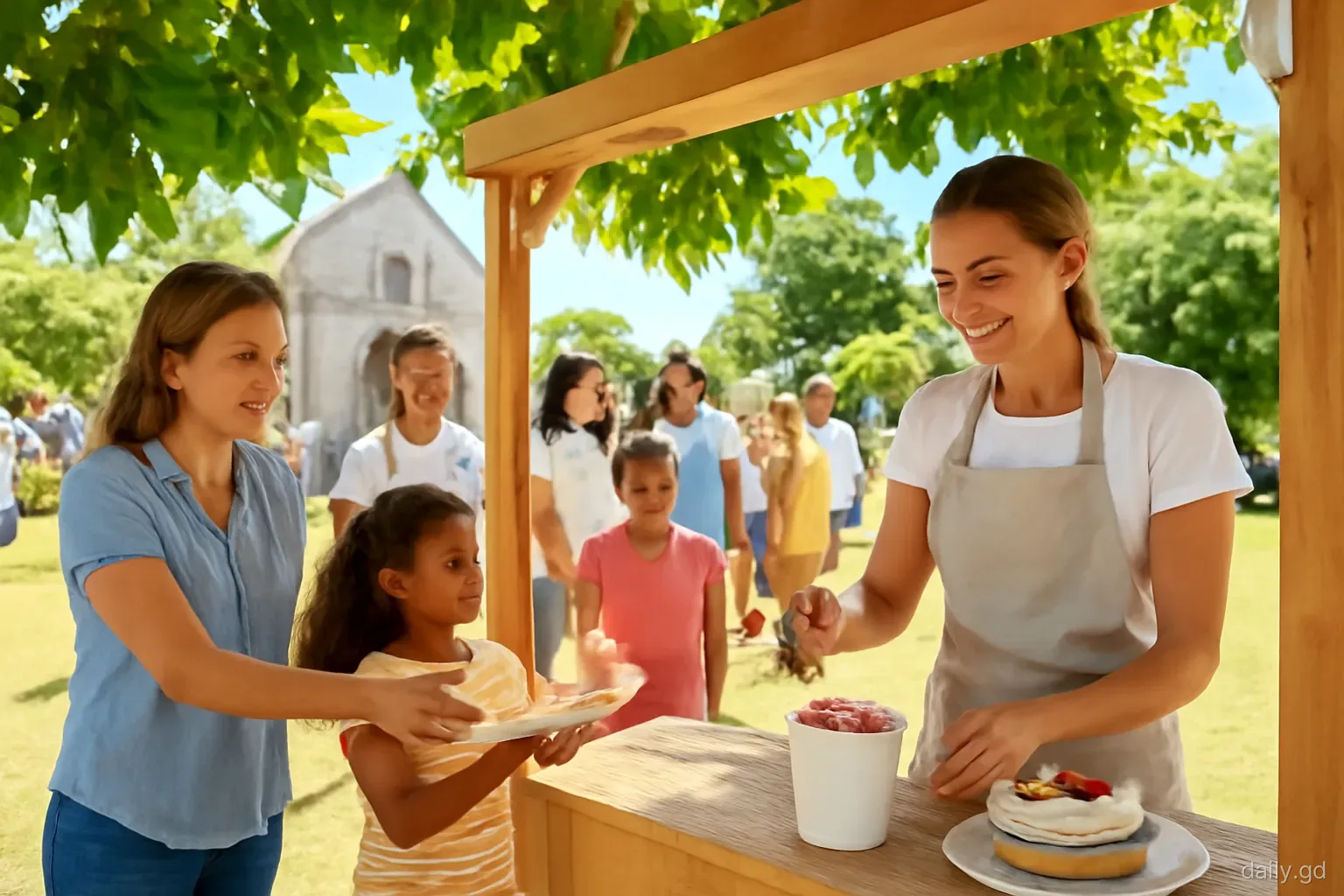
There is also a social calendar. Harvests, bazaars, concerts, anniversaries, retreats, youth camps and pilgrimages fill the year, and choirs rehearse midweek ahead of major feasts. For a newcomer, taking part in one of these activities is often the easiest way in, because working alongside people at a harvest stall or a clean-up creates conversation far more quickly than sitting in a pew. Even people with no strong religious convictions find that turning up to help at a church event is accepted warmly; you will rarely be asked about your beliefs before being handed an apron.
Frequently asked questions
What is the main religion in Grenada?
Christianity. Roman Catholics are the largest group, at roughly 44 percent at the last detailed census, followed by Anglicans, Pentecostals and Seventh-day Adventists, with Methodists, Presbyterians, Baptists and evangelical churches also present. Small Muslim, Hindu, Baha'i and Rastafari communities exist too.
What should you wear to church in Grenada?
Dress smartly. Women commonly wear dresses or skirts below the knee, and men wear long trousers and collared shirts, often with a jacket. Avoid shorts, beachwear and flip-flops. When unsure, dress more formally than you would at home.
Are visitors welcome at Grenadian church services?
Yes. Most congregations welcome visitors warmly, and some will greet newcomers by name from the front. Arrive a little early, follow what others do, keep phones silent and stay for the conversation outside afterwards.
How long are church services in Grenada?
Catholic Mass usually lasts about an hour, and Anglican and Methodist services are similar. Pentecostal and evangelical services commonly run two to three hours, and Seventh-day Adventist Sabbath activities can fill most of Saturday morning.
Do you have to give money at a Grenadian church?
No one is obliged, but collections are taken at every service and a small offering from visitors is normal. Members usually give regularly, and many churches encourage tithing. Fundraisers, harvests and appeals are also common ways to contribute.