Long before gyms opened in Grand Anse and Morne Jaloux, Grenadians kept fit the way many still do: walking roads at dawn, swimming in the sea, working on the land, playing cricket and football on village pastures. Most of that costs nothing, and in a hilly island with beaches on two coasts, the outdoors is a better training ground than most treadmills.
Doing it day after day, though, takes some local knowledge. Roads rarely have pavements, the sun is fierce by nine, dogs guard many gates, and the sea has moods that change with the season. This is how residents build a daily habit that lasts, from the morning walk to the Saturday hash.
The dawn walk, and where people do it
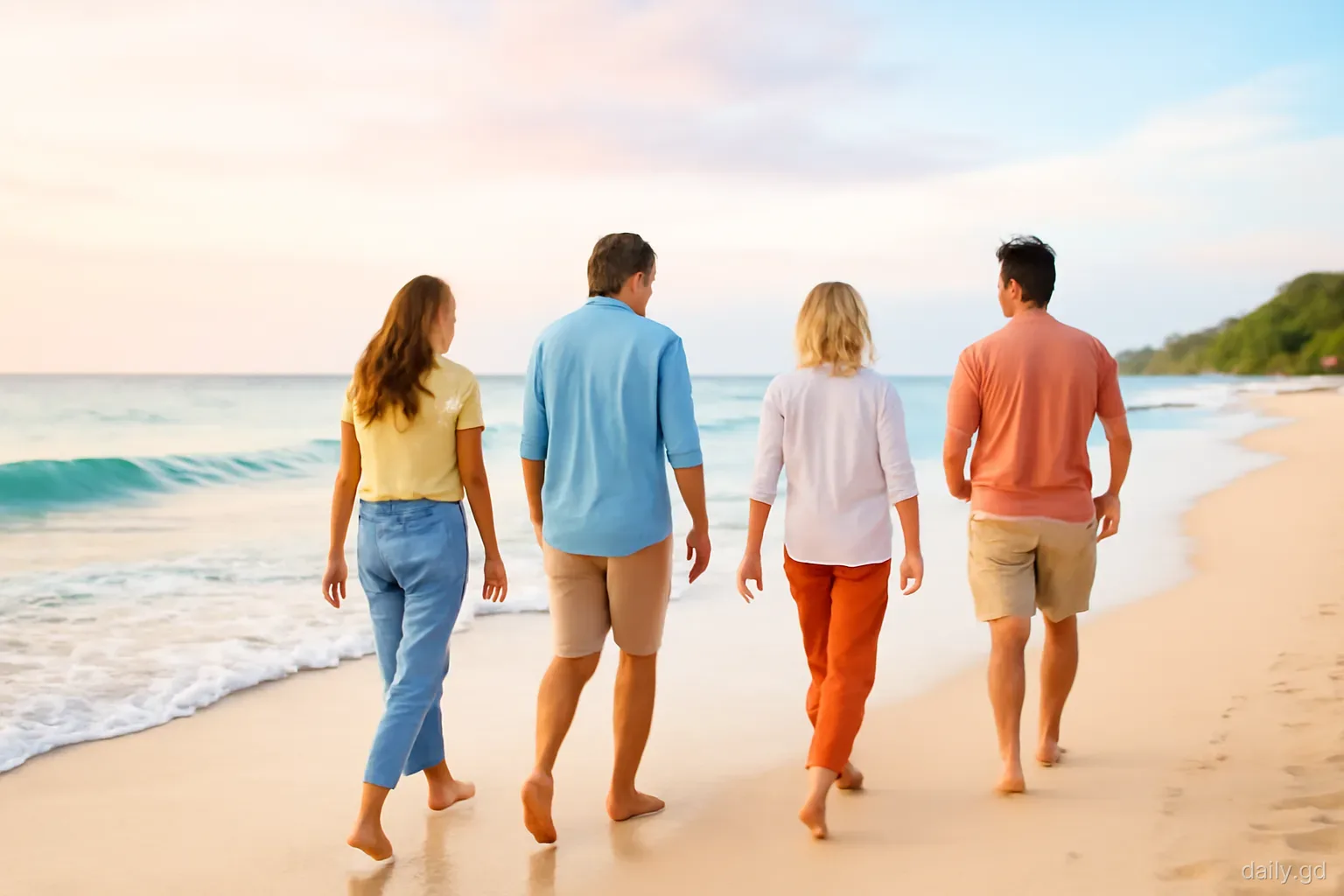
Walk past Grand Anse beach between half past five and seven on any weekday and you will see the island's unofficial fitness club: walkers in pairs, joggers, people doing stretches on the sand, swimmers heading out from the shore. The beach runs for roughly three kilometres, flat and firm near the water at low tide, and walking it end to end and back is a solid workout with a sunrise thrown in. Lance aux Epines and Morne Rouge have shorter, quieter options, and many people simply walk the roads around their own village.
Hills are Grenada's free gym equipment. A brisk walk up from the Carenage to Fort George, or along the steep lanes of any hillside village, raises your heart rate far more than the same distance on the flat. Start modestly. Gradients that look short can be punishing in humidity, and it takes a few weeks for the body to adapt to working hard in heat. The rule residents follow is simple: be home before the sun is high.
Road walking safely
Face oncoming traffic. Where there is no pavement, walk on the right-hand side of the road so you can see vehicles coming towards you. Grenada drives on the left.
Be visible. Before sunrise and after dark, wear light colours or a reflective band and carry a small torch. Many roads are unlit and drivers do not expect walkers on bends.
Single file on bends. Narrow roads, deep drains and route buses travelling fast make walking side by side dangerous on corners. Chat on the straights.
Watch the drains. Open drains run beside many roads. Stepping back from a passing bus into a drain is a common way to sprain an ankle or worse.
Know your dogs. Dogs guarding yards will bark and sometimes follow. Most back off if you keep walking calmly and do not run. Locals sometimes stoop as if picking up a stone, which usually works. Avoid roads with known aggressive dogs and walk with a stick if it reassures you.
Greet people. "Morning!" to everyone you pass is expected. It also means people notice you, which is a safety benefit in itself.
Swimming in the sea as exercise
Sea swimming is one of the best things about living in Grenada and suits all ages and fitness levels. The calmer Caribbean-side beaches in the south-west, Grand Anse and Morne Rouge especially, are where most residents swim laps parallel to the shore. Mornings are usually calmer, before the wind picks up and before jet skis and water taxis get busy. Swim within the area marked for swimmers where there is one, and stay well clear of boat channels.
The Atlantic side is different. Beaches on the east coast often have strong currents and surf and are not suitable for regular lap swimming. Even on calm beaches, conditions change with northerly swells in the winter months and with passing weather. Never swim alone if you can help it, tell someone when you go, and consider a brightly coloured swim cap or tow float so boats see you. If you are new to open water, start with short swims and build up. A few local groups swim together regularly; ask around among early-morning swimmers at Grand Anse.
The Saturday hash and other group options
The Grenada Hash House Harriers have met every Saturday afternoon for decades, since the mid-1980s by most accounts, and remain one of the island's most accessible social exercise events. Each week a trail is laid through a different part of the island, through villages, cocoa and nutmeg land, rivers and hillsides, starting and finishing at a bar or rum shop. Walkers and runners choose shorter or longer routes, it is not a race, and the crowd mixes Grenadians, students, sailors and expatriates. A small contribution is collected. Expect mud, steep slopes and river crossings, and wear shoes you do not mind ruining.
Other options include community sports leagues, from cricket and football to netball and volleyball, along with running groups that train together for local road races, and informal fitness classes held on playing fields and community centres in the evenings. Churches and village groups sometimes organise walks for health. The easiest way to find these is to ask at your health centre, at church, or among the regulars on the beach at dawn.
Hikes for weekends, not weekdays
Longer hikes are best saved for weekend mornings, with company and plenty of water. Popular routes among residents include:
- Grand Etang forest trails, from the shorter lakeside walk to longer climbs such as Mount Qua Qua, often wet and muddy.
- The Seven Sisters waterfalls in St Andrew's, a steep descent through forest that is slippery after rain; a guide is advised.
- Mount St Catherine, the island's highest point, a demanding climb that should be done with someone who knows the route.
- Coastal walks in the north and east, such as around Levera and the headlands near Bathway, where the Atlantic views reward the effort.
- On Carriacou, walks up to High North and along quiet roads between villages, though post-Beryl conditions on trails may have changed, so ask locally before you go.
Mistakes that end a fitness habit
Starting too hard in the heat. Pushing a home-country pace in the first weeks leads to exhaustion or worse. Give it three weeks to acclimatise.
Skipping water. Carry it, even for an hour's walk. Coconut vendors on the road are a pleasant top-up, not a plan.
Bad footwear. Flip-flops on steep, wet roads cause falls. Proper walking shoes with grip are worth the money.
Ignoring rain. Rainy season downpours make roads slippery and drains overflow. Walk later, or choose the beach.
Forgetting sun protection. Even at seven in the morning, the sun is strong enough to burn. A hat and sunscreen are routine.
Going alone on remote trails. Phone signal drops in valleys and forest. Tell someone your route and expected return, and hike in company where possible.
Building a week that lasts
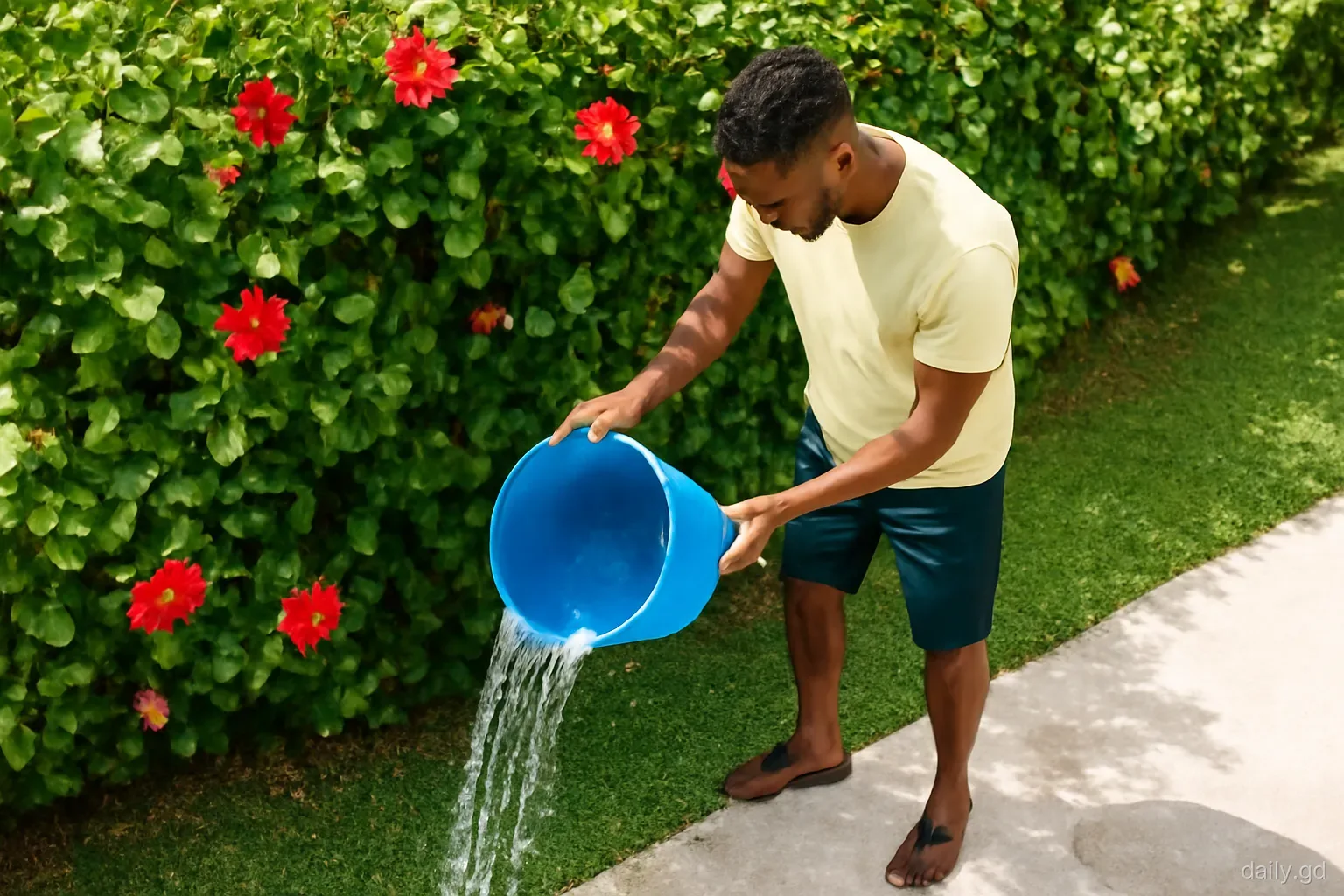
The residents who stay active for years tend to mix things up rather than repeating one routine. A typical pattern might be three dawn walks on weekdays, one or two sea swims, the Saturday hash or a weekend hike, and yard or garden work that counts as exercise in its own right: cutting grass with a cutlass, carrying water, picking fruit and clearing drains are physical jobs. Variety protects joints and keeps boredom away.
Rainy season needs a fallback. On mornings with heavy showers, a short indoor routine with stretching, bodyweight exercises or a skipping rope keeps the habit going. Some people switch to late-afternoon walks in the wettest months, when showers have often passed. Arranging to meet a walking partner is the strongest motivator of all; it is much harder to stay in bed when someone is waiting at the end of the road. Over time, the familiar faces on the route become part of your community, and missing a morning means people ask after you, which is exactly the kind of accountability a fitness plan needs.
Frequently asked questions
Is it safe to walk on Grenadian roads for exercise?
Generally yes, with care. Most roads lack pavements, so walk facing traffic, wear light colours early and late, walk single file on bends and watch for open drains. Dawn walks in busy areas such as Grand Anse are popular and sociable.
What is the Grenada Hash?
The Grenada Hash House Harriers hold a weekly walk and run every Saturday afternoon, following a trail laid through countryside and villages, starting and ending at a bar. It is not competitive, welcomes beginners and draws a large mixed crowd. A small fee is collected.
Where can you swim laps in the sea in Grenada?
Calm Caribbean-side beaches in the south-west, especially Grand Anse and Morne Rouge, are where most residents swim laps, usually in the early morning. Stay in swimming areas, away from boat traffic, and avoid regular swimming on the rougher Atlantic coast.
What is the best time of day to exercise in Grenada?
Early morning, from about half past five to eight, and late afternoon after five, when the sun is lower. The middle of the day is hot and humid enough to make strenuous exercise risky, especially in the first weeks after arriving.
How do you deal with dogs when walking in Grenada?
Keep walking calmly, do not run, and avoid eye contact with a barking dog. Many back off quickly. Some walkers carry a stick or change route to avoid known aggressive dogs. Report persistent problems to the owner politely.