Teeth and eyes are where many newcomers to Grenada first meet the limits of a small health system. Routine dental check-ups, fillings and eye tests are readily available, and often cheaper than in North America or the UK. Complex work, from implants and orthodontics to retinal surgery, may involve a wait for a visiting specialist or a trip abroad.
Knowing which is which saves money and frustration. This piece covers finding a dentist and an optometrist, keeping up with check-ups, the eye problems that the Caribbean sun and genetics make more common, and how to plan treatment that Grenada cannot provide easily.
Finding a dentist
Private dental practices are concentrated in St George's, Grand Anse and the surrounding area, with a smaller number in Grenville and other towns. Many dentists trained in the Caribbean, North America, Cuba or Europe. Practices range from a single dentist with one chair to clinics with several dentists and hygienists. Ask neighbours, colleagues and your GP for recommendations, and pay attention to what people praise: gentle hands, clear explanation of costs, quick response to emergencies.
Public dental services operate through some health centres and the school dental programme, focused on extractions, basic treatment and prevention for children. Public care is low-cost but limited in scope and availability, with waits. For routine private care, a check-up and cleaning commonly costs from around EC$150 to EC$350, roughly US$55 to US$130, with fillings, root canals and crowns priced individually. Treat those figures as a rough guide; prices vary and change, and a good practice will give you an estimate before starting work.
What to ask a new dental practice
What is done here, and what is referred? Some practices do root canals, crowns and minor oral surgery in-house; others refer. Knowing this upfront avoids surprises.
Where are crowns and dentures made? Some work goes to a laboratory on the island; some is sent overseas, which adds time. Ask how long you will wait for a crown, bridge or denture.
How are emergencies handled? Toothache on a Friday night or a broken tooth on a public holiday needs a plan. Ask whether the practice takes out-of-hours calls or who covers.
How is payment made? Most practices expect payment at the time of treatment. Few bill international insurers directly, so you will usually pay and then claim. Ask for itemised receipts.
Are specialists available? Orthodontists, periodontists and oral surgeons are few. Some visit periodically from abroad; your dentist will know the schedule.
Children's teeth and the sugar problem
Tooth decay in children is a significant problem across the Caribbean, and Grenada is no exception. Sweet drinks, juices with added sugar, sweet biscuits, sugar cake and penny sweets from corner shops are cheap and everywhere. Schools and the Ministry of Health promote dental hygiene, but daily habits at home make the difference: brushing twice a day with fluoride toothpaste, water rather than juice between meals, and regular check-ups from when the first teeth appear.
If your child is in a Grenadian school, the school dental programme may offer screening and some treatment. Private dentists also see children, and some are particularly good with nervous young patients. Ask other parents. Sports mouth guards for cricket, football and other contact sports are worth getting fitted, as dental injuries from sport are a common reason for emergency visits.
Eye tests, glasses and contact lenses
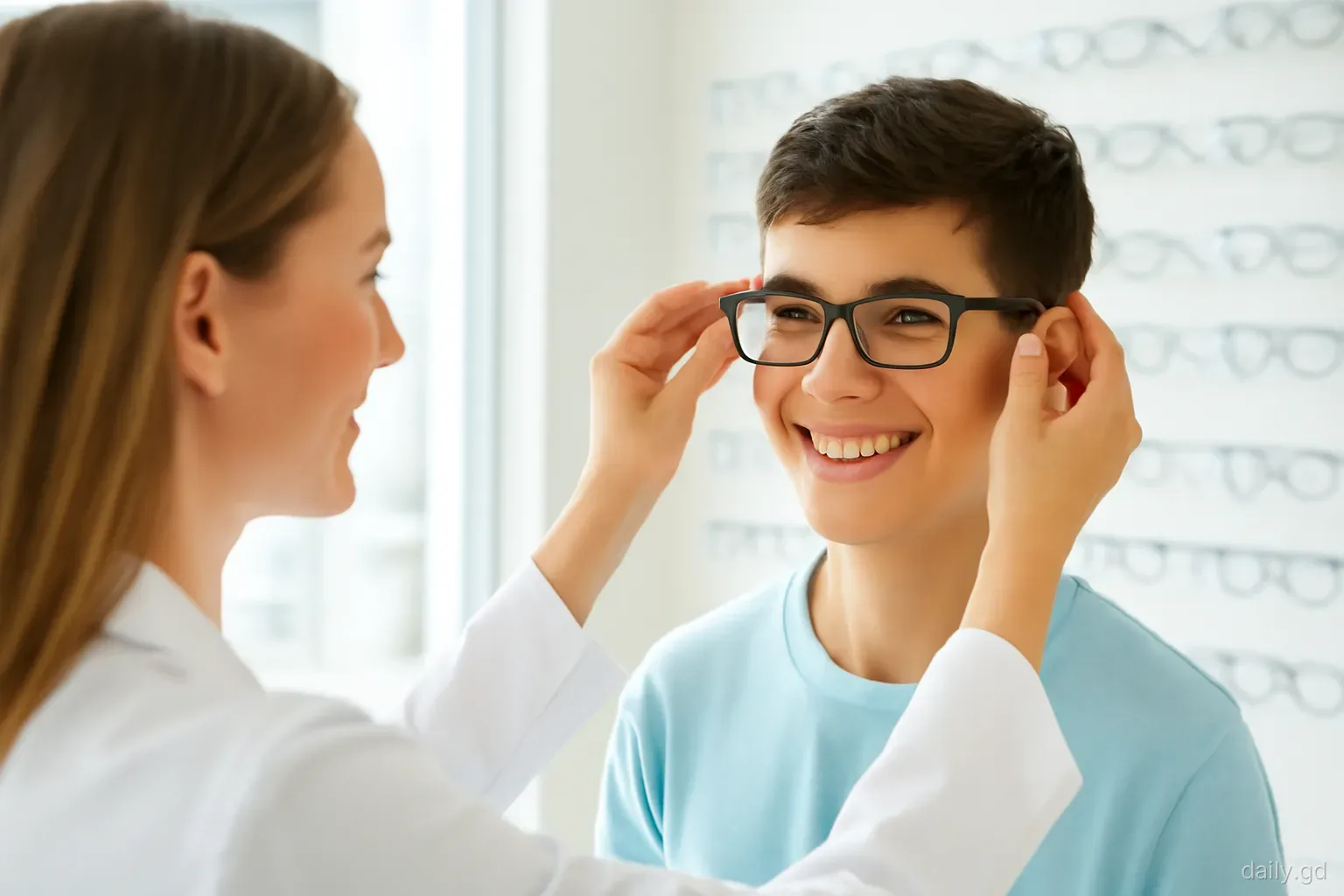
Optometrists and opticians operate in St George's, Grand Anse and Grenville, offering eye tests, spectacles and contact lenses. Choice of frames is narrower than in large cities, and some lens types, such as complex varifocals or high-index lenses, may be made by off-island laboratories, which can mean a wait of a week or more. Ask about turnaround times when ordering.
Bring a copy of your current prescription and a spare pair of glasses when you move. If you wear contact lenses, consider humidity and dust: daily disposables are often more comfortable here, and lens solution and cases should be kept away from heat. Check that your preferred lens type is available locally, or bring a good supply. Sunglasses with proper UV protection are not a luxury in Grenada; they protect against sun-related eye damage over years.
Eye conditions worth knowing about
Some eye problems are more common in the Caribbean, due to sunlight, genetics or the high rates of diabetes and high blood pressure. Regular checks matter:
- Glaucoma: people of African descent have a higher risk of open-angle glaucoma, which causes no symptoms until vision is lost. Adults over 40, and younger people with a family history, should have pressure checks regularly.
- Diabetic retinopathy: anyone with diabetes needs an annual retinal examination, even with perfect vision.
- Pterygium: a fleshy growth on the white of the eye linked to sun, wind and dust exposure, common in fishermen, farmers and anyone outdoors a lot. Sunglasses help prevent it.
- Cataracts: sun exposure contributes to earlier cataracts. Surgery is performed in Grenada, though some residents choose to have it done abroad.
- Eye infections: conjunctivitis outbreaks happen periodically, often in schools. See a doctor or optometrist rather than borrowing drops.
Planning treatment abroad
For complex dental work, such as implants, extensive crowns or orthodontics, and specialised eye surgery, many residents compare local options with treatment on a planned trip to Trinidad, Barbados, the United States or the UK. Sometimes local treatment is cheaper and perfectly good; sometimes the specialist simply is not here. Ask your local dentist or ophthalmologist for an honest opinion, and get written treatment plans and estimates to compare.
If you do have work done abroad, make sure your local dentist or eye doctor knows about it and can handle follow-up, because complications do not wait for your next flight. Bring home copies of X-rays, scans and treatment notes. Avoid splitting a single treatment, such as an implant, between two countries unless both practitioners agree on the plan.
Mistakes residents make
Waiting for pain. By the time a tooth hurts, the problem is bigger and dearer. Six-monthly or yearly check-ups catch decay early.
Moving without records. Dental X-rays and eye prescriptions from your previous country save repeat tests and help a new practitioner see changes.
Cheap sunglasses. Dark lenses without real UV protection make pupils open wider and can let in more harmful light. Buy from an optician or a reputable source.
Ignoring a red, painful eye. Pain, sudden blurred vision or flashes of light need same-day attention, not a wait until next week.
Choosing on price alone. The cheapest quote for a crown or a pair of varifocals is not always the best value. Ask what materials are used and what happens if something fails.
Running out of lenses or solution. Specific contact lens brands and solutions can be out of stock. Order ahead, or keep a few months in reserve.
Looking after teeth and eyes between visits
Daily habits do most of the work. Brush twice a day with fluoride toothpaste and clean between teeth. Whatever the fluoride content of your water supply, fluoride toothpaste is the main everyday protection, especially for children. Rinse with water after sweet drinks and after acidic fruit such as golden apple, tamarind and citrus, and wait a little before brushing. Chewing sugar cane is a pleasant tradition, but it is still sugar.
For eyes, wear sunglasses outdoors and a hat with a brim, particularly on the water, where reflected light doubles exposure. Rest your eyes during long screen sessions, and keep a spare pair of glasses somewhere you can find them after a storm or a power cut. Dust from road works, burning and dry-season winds can irritate eyes; lubricating drops from a pharmacy help, but see a professional if irritation persists. People with diabetes or high blood pressure should treat their annual eye examination as seriously as their blood tests, because both conditions damage the retina silently.
Frequently asked questions
How much does a dental check-up cost in Grenada?
A private check-up and cleaning commonly costs somewhere between EC$150 and EC$350, roughly US$55 to US$130, depending on the practice and what is needed. Prices change, so ask for an estimate when booking. Public dental services are cheaper but limited.
Can you get glasses made in Grenada?
Yes. Optometrists and opticians in St George's, Grand Anse and Grenville test eyes and supply glasses and contact lenses. Complex lenses may be made off-island and take a week or longer, so bring a spare pair when you move.
Is there an eye specialist in Grenada?
There are ophthalmologists in Grenada, including at the General Hospital eye clinic and in private practice, who treat conditions such as glaucoma and cataracts. For some specialised surgery, patients may be referred abroad or wait for a visiting specialist.
What should you do about a dental emergency in Grenada at the weekend?
Call your regular dentist first, since some take out-of-hours calls or know who is covering. For severe swelling, fever or difficulty swallowing, go to the hospital emergency department, as dental infections can spread and become serious.
Do Grenada dentists accept international dental insurance?
Few bill international insurers directly. Most expect payment at the time of treatment and provide receipts so you can claim from your insurer afterwards. Check your policy's requirements for pre-approval of major work before treatment starts.