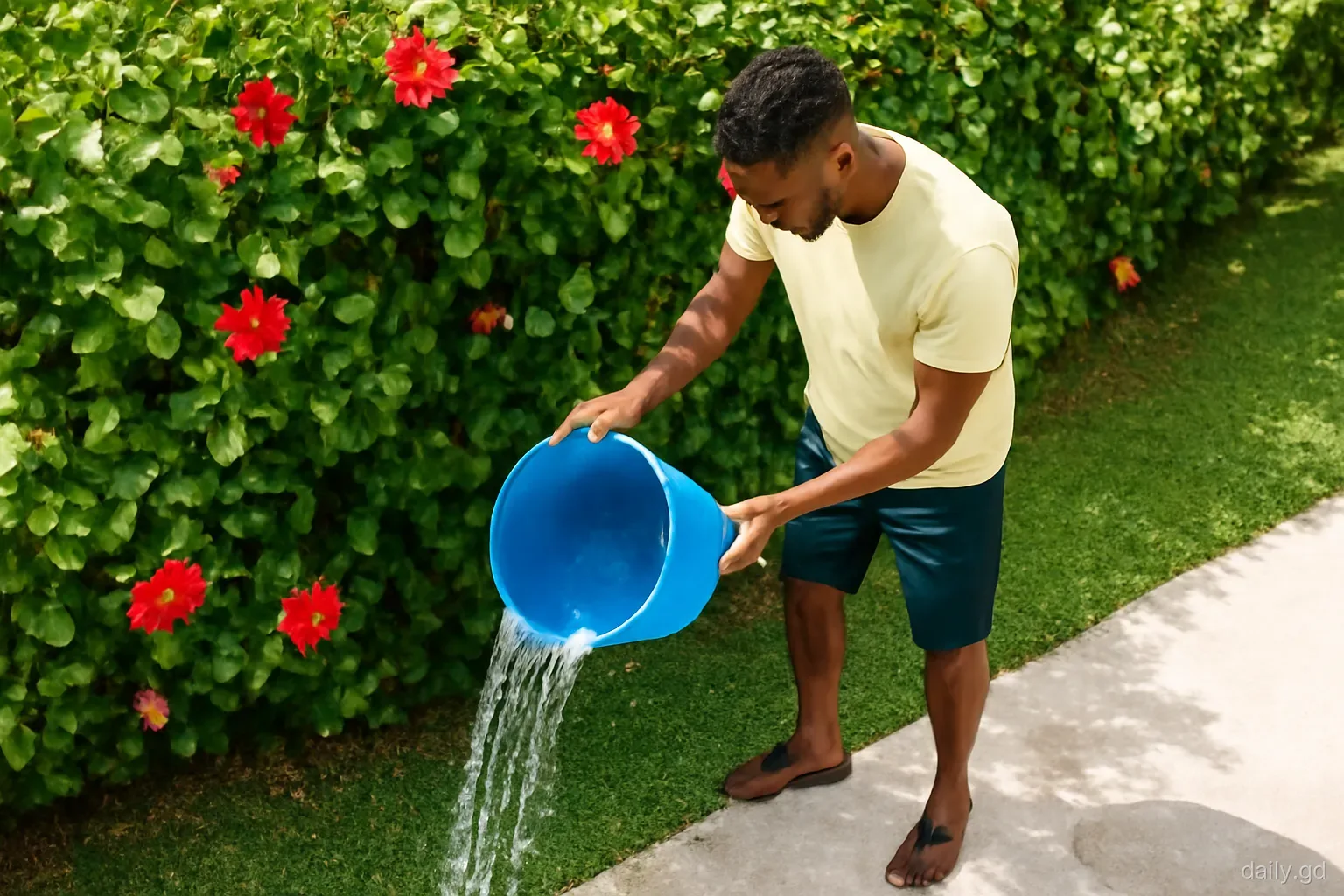
The mosquito that matters most in Grenada is not a swamp creature. Aedes aegypti, which spreads dengue, chikungunya and Zika, breeds in clean water in small containers, close to people: a bucket left out after rain, a flower-pot saucer, a blocked gutter, an old tyre, an uncovered water drum. It bites mainly during the day. Most of the mosquitoes biting you on your porch probably hatched within a short distance of it.
That makes your yard the front line. Grenada has lived through chikungunya in 2014, Zika in 2016 and repeated dengue seasons, and in August 2026 the Ministry of Health warned of a sharp rise in dengue cases. Repellent protects you for a few hours. A clean yard reduces the problem at its source, every week, for everyone in the house and on the street.
Why weekly is the magic number
An Aedes egg laid on the inside wall of a container can survive dry conditions for months, then hatch when it gets wet. In tropical warmth, the larva-to-adult cycle can be completed in roughly a week to ten days. If you empty and scrub containers once a week, larvae never get to fly. If you do it once a month, you are breeding mosquitoes in between.
This is also why fogging, the trucks and backpack sprayers the Ministry of Health vector control teams use during outbreaks, is only part of the answer. Fogging kills adult mosquitoes that are flying at the time; it does not kill eggs or larvae sitting in water behind your house. Inspectors from vector control may visit homes and point out breeding sites, and they look for exactly the things in the checklist below. A house that passes inspection every week is a house with far fewer bites.
The ten-minute weekly check
Pick a day, Saturday morning works for many families, and walk the property with a bucket and a scrubbing brush:
- Tip out every container that holds water: buckets, basins, tins, bottles, children's toys, wheelbarrows and boat bilges.
- Scrub the inside walls of anything you refill, such as pet bowls and bird baths. Tipping alone leaves eggs stuck to the sides.
- Empty saucers under potted plants, or fill them with sand so water drains through.
- Look at plants that hold water in their leaves, such as bromeliads and some ornamental plants, and flush them with a hose.
- Check gutters for blocked sections and standing water, especially after heavy rain and after leaves fall.
- Store tyres under cover or drill drainage holes; turn over canoes, dinghies and wheelbarrows.
- Pick up coconut husks, broken calabashes and cocoa pods, which collect water in a yard.
- Check drains, septic vent pipes and any low spots where water stands for more than a few days.
- Look at the neighbour-facing boundary too; rubbish that blows in from the road can hold water.
Water storage: drums, tanks and cisterns
Many Grenadian households store water, because supply from the water authority can be interrupted and because the dry season and storms make reserves sensible. After Hurricane Beryl in 2024, water storage became even more common on Carriacou and Petite Martinique. Stored water is the single biggest Aedes breeding site in many homes, and also the easiest to fix.
Every drum or bucket of stored water needs a tight-fitting lid. If the lid does not seal, stretch fine mesh or cloth over the top and tie it down. Cisterns under houses and on roofs should have screened inlets and overflow pipes, with inspection hatches kept closed. Clean drums out periodically rather than topping them up endlessly. If a cistern is old and cracked, water may collect in places you cannot see. Where you find larvae in drinking water storage, ask the Ministry of Health or your health centre about approved treatments rather than adding household chemicals, which can make water unsafe to drink.
Protecting the inside of the house
Screens. Fine mesh on windows and doors is the most effective long-term defence and lets you keep windows open for breeze. Fitters can make frames for louvred windows. Repair holes promptly; one tear lets in many mosquitoes.
Nets. A bed net over sleeping areas, particularly for babies, older people and anyone ill with fever, is cheap and effective, even though Aedes bites mostly by day.
Fans. Mosquitoes are weak fliers. A fan blowing across a sitting area or desk reduces bites noticeably.
Repellent. Products with DEET, picaridin or oil of lemon eucalyptus work. Apply to exposed skin, especially ankles and feet in the early morning and late afternoon, and reapply after swimming or heavy sweating.
Indoor containers. Vases, plant pots indoors, water in the base of fridges and dish racks all count. Include them in the weekly check.
Working with neighbours and the community
Mosquitoes do not respect fences. A spotless yard next to an overgrown lot full of rubbish will still have bites. Grenadian communities often organise clean-ups, sometimes through village groups, churches or schools, and the Ministry of Health runs campaigns, especially before and during rainy season. Joining one is a good way to meet people and to tackle abandoned containers on the road verge or in empty plots.
If a neighbouring property is a persistent problem, a friendly word usually works better than a complaint. Offer help clearing it, or mention the vector control inspector's visit as a reason. Where land is abandoned and owners are overseas, the environmental health officers at your health centre are the people to tell. Vacant holiday homes are also a common source; if you leave your own house for months, ask someone to empty containers and check the cistern while you are away.
Mistakes that keep the mosquitoes coming
Waiting until there are many bites. By then the breeding has been going for weeks. Start at the beginning of the rainy season, usually from June, and keep going through December.
Tipping without scrubbing. Eggs survive on container walls. A quick scrub is what stops the next batch.
Relying on coils and fogging. They reduce adults for a while. They do nothing about the source.
Ignoring the dry season. Drums of stored water keep breeding mosquitoes when there is no rain at all.
Shrugging off a fever. Fever with severe headache, pain behind the eyes, body aches or rash in Grenada should be seen by a doctor. Avoid ibuprofen and aspirin until dengue is ruled out, as they raise bleeding risk.
Garden choices that make the job easier
Some yards breed mosquitoes almost by design. Dense, damp undergrowth against the house gives adult mosquitoes a cool resting place in the heat of the day, and heaps of cut branches or palm fronds trap water in crevices. Keeping grass cut, thinning thick shrubs near doors and windows, and composting in a closed bin rather than an open pile all reduce resting and breeding spots. Fruit trees are a Grenadian pleasure, but fallen mangoes, breadfruit and cocoa pods rot and collect water, so pick them up regularly in season.
Ornamental ponds can be kept mosquito-free with small fish that eat larvae; many households keep guppies, known across much of the region as "millions", in ponds, tanks and even water barrels for exactly this purpose. Ask locally how to source them, and never release fish into rivers or wild ponds. Avoid decorative features that hold small amounts of still water, such as stone basins or upturned shells, unless you are prepared to empty them weekly. Bamboo stumps cut at an angle above a node fill with rain, so cut them below the node or fill them with sand. Planting lemongrass or basil near the porch smells pleasant, but it will not keep mosquitoes away on its own; treat it as decoration, not protection.
Frequently asked questions
When is mosquito season in Grenada?
Mosquitoes are present all year, but numbers rise with the rainy season, usually from around June to December, and dengue cases typically climb in the second half of the year. Stored water keeps them breeding in the dry season too, so the weekly check matters year-round.
Does fogging get rid of mosquitoes?
Fogging kills adult mosquitoes flying at the time of spraying, which helps during outbreaks. It does not reach eggs and larvae in containers, so mosquitoes return within days unless breeding sites around homes are removed every week.
How do you stop mosquitoes breeding in a water drum?
Fit a tight lid, or tie fine mesh or cloth securely over the opening. Clean the drum out periodically and scrub the inside walls. Do not add household chemicals to drinking water; ask your health centre about approved larvicide treatments.
What should you do if you think you have dengue in Grenada?
See a doctor or go to your health centre, rest, and drink plenty of fluids. Use paracetamol for fever and pain, and avoid ibuprofen and aspirin. Seek urgent care for severe abdominal pain, persistent vomiting, bleeding gums or unusual drowsiness.
Do window screens really help in Grenada?
Yes. Screens let you keep windows open for the breeze while keeping most mosquitoes out, which also reduces reliance on air conditioning and sprays. Fitters on the island make frames for standard and louvred windows. Keep them repaired.