Daytime highs in Grenada sit around 30 to 32°C for most of the year, which sounds manageable on paper. What wears people down is the combination: high humidity, strong overhead sun twelve degrees north of the equator, and nights that cool only a little. The dry season from roughly January to May brings steady trade winds that make it pleasant; September and October, when the breeze drops and the air is heavy, are the months residents complain about.
Visitors can retreat to an air-conditioned room. Residents have to cook, clean, commute, work and sleep in it. The people who cope well are not tougher; they have rearranged their day. This is how that routine tends to look, and what to watch for when heat starts to become a health problem.
Rearrange the day around the sun
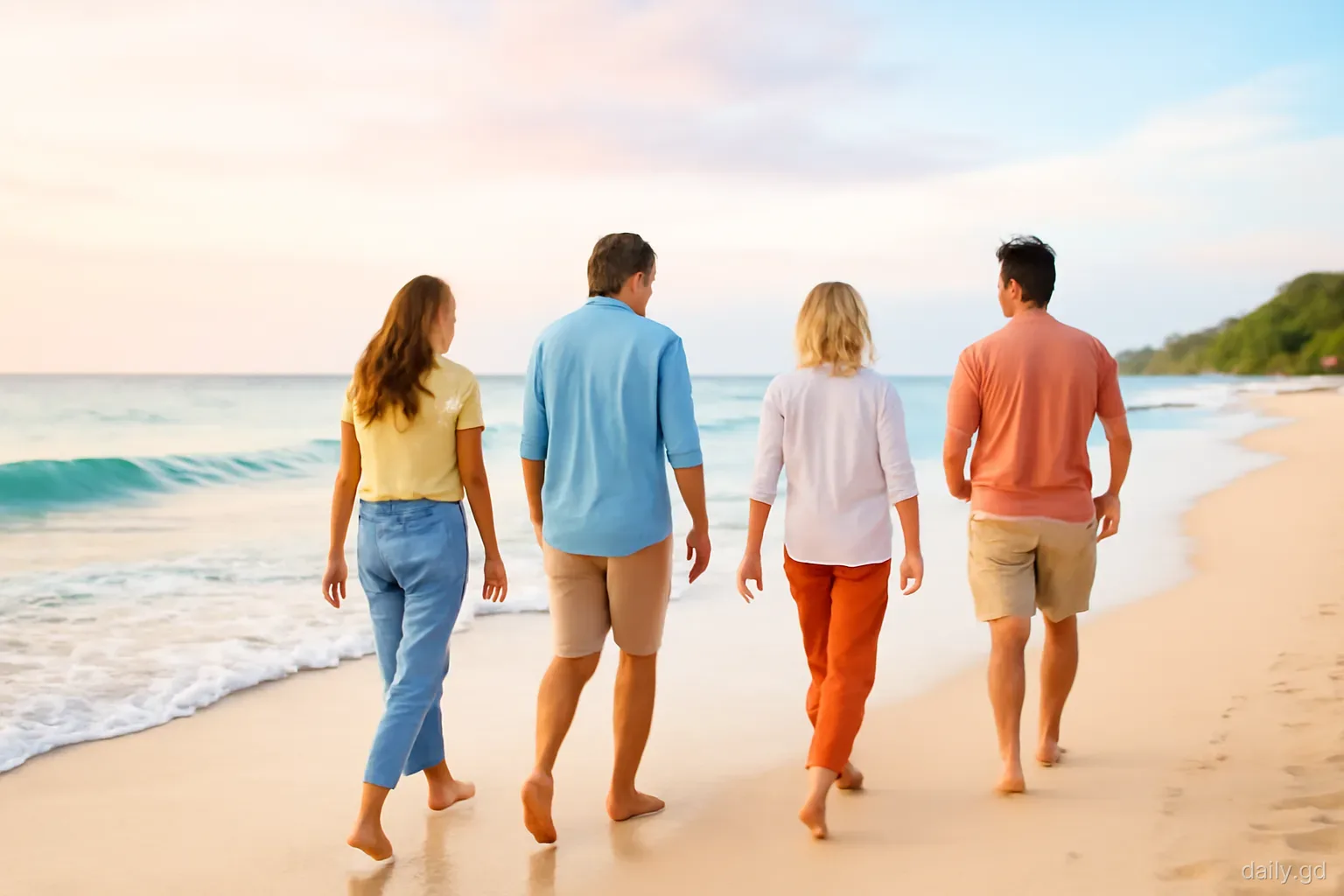
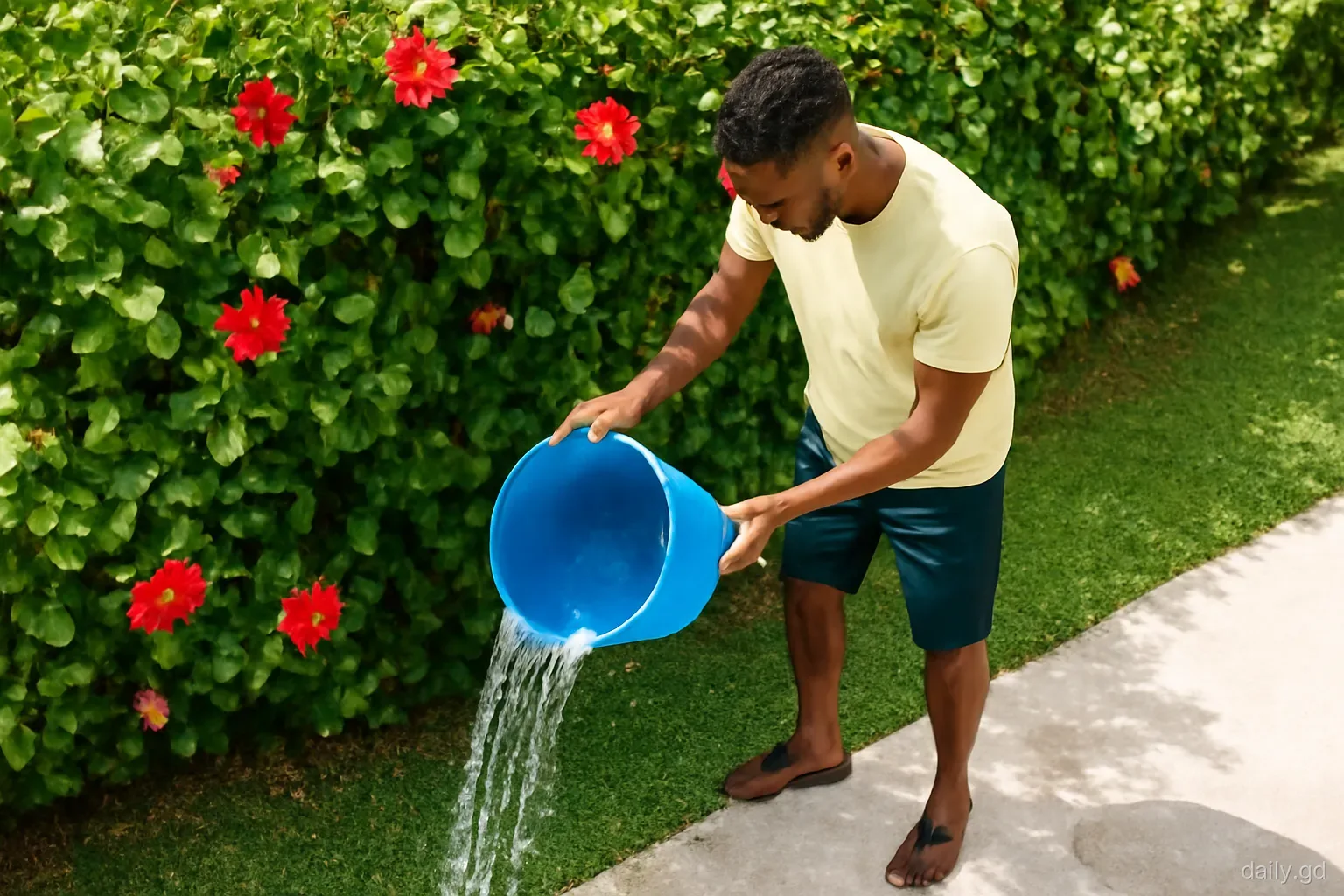
Grenadians start early for good reason. Markets are busiest from first light, gardeners are out by six, and the walkers on Grand Anse beach and the roads above it have finished by half past seven. Heavy outdoor work, from cutlass work in the yard to washing the car or painting a wall, belongs before nine or after four. The hours from roughly eleven to three are for indoor jobs, errands in air-conditioned buildings, or rest.
Plan shopping the same way. A supermarket run at midday means a hot car park, a hot car and groceries wilting on the way home. Errands in St George's, with its steep streets and little shade, are far easier in the morning. If you work from home, put calls and screen work in the hottest hours and save tasks that involve moving about for the cooler ends of the day. Even short changes, like hanging laundry at dawn rather than at noon, make the heat feel less constant.
Drinking enough, and the right things
Drink before you are thirsty. In humid heat, sweat does not evaporate well and you lose more fluid than you notice. A rough guide for an active adult is two to three litres a day, more if you work outdoors.
Watch the colour. Pale urine means you are keeping up. Dark yellow means you are behind, even if you do not feel it.
Use coconut water sensibly. Fresh coconut water from roadside vendors, cut in front of you, is a good source of potassium and fluid. It does contain sugar, so it complements water rather than replacing it.
Replace salts after heavy sweating. After hours of yard work or a long hike, plain water is not enough. Oral rehydration salts from a pharmacy or a pinch of salt with food helps prevent cramps and headaches.
Go easy on rum and beer in the sun. Alcohol increases fluid loss. A beach lime from noon to sunset with only beer is a classic route to a pounding headache by evening.
Keeping the house cool without a frightening bill
Electricity in Grenada is expensive by international standards, so running air conditioning all day is a choice with a real monthly cost. Most households rely on ceiling fans and design. Open windows on opposite sides of the house to catch the breeze, and close curtains or shutters on the sunny side in the afternoon; west-facing rooms heat up hard after two o'clock. Louvred windows, which many older homes have, are excellent for airflow and worth keeping clear.
Cooking adds heat, so many people cook early or late, or cook outside on a covered porch. Light-coloured roofs and roof insulation make a large difference to how hot a house feels; if you are renting, ask about this when viewing. Where air conditioning is used, a common compromise is to cool only the bedroom for sleeping, with the door closed and the unit set to a moderate temperature. Clean the filter monthly, because dust and humidity clog them quickly and push consumption up.
Sleeping, skin and clothing
Heat affects more than daytime comfort. Small adjustments help with the problems residents mention most:
- Sleep: a fan pointed across the bed, cotton sheets, a cool shower before bed and a mosquito net if windows stay open. Many people sleep better with a short afternoon rest rather than fighting the heat at night.
- Prickly heat: the itchy red rash called miliaria is common in newcomers. Loose cotton clothing, cool showers, and avoiding heavy creams usually settle it.
- Fungal rashes: damp skin in folds, under breasts and between toes invites fungal infection. Dry carefully after showers and change out of sweaty clothes quickly.
- Sun: the sun is strong even on cloudy days. A wide-brimmed hat, sunglasses and sunscreen on exposed skin are routine for anyone working outside.
- Clothing: light, loose cotton or linen in pale colours. Synthetic sportswear can trap heat if it does not breathe well.
- Feet: sandals all day can lead to cracked heels and small cuts; alternate with breathable shoes.
Warning signs that need action
Heat exhaustion. Heavy sweating, weakness, headache, nausea, dizziness and cool clammy skin. Move to shade or a cool room, drink fluids with salts, loosen clothing and rest. If it does not improve within an hour, see a doctor.
Heat stroke. Confusion, slurred speech, very high temperature, hot skin that may be dry, collapse or seizures. This is an emergency. Call 911 or get to hospital immediately, cooling the person with water and fanning on the way.
Who is most at risk. Older people, babies, people with heart disease or diabetes, those on diuretics and some blood pressure or mental health medicines, and outdoor workers. Check on elderly neighbours during the hottest weeks.
Dengue can look like heat illness at first. Fever, headache and aching muscles in rainy season deserve a doctor's opinion rather than an assumption that it is just the heat.
Mistakes newcomers make in their first hot season
The commonest is doing too much in the first weeks: hiking at noon, cleaning the house top to bottom in the afternoon, or carrying on a home-country exercise schedule unchanged. Bodies adapt to heat over two to three weeks, sweating earlier and more efficiently, but only if you give them time. Another is relying on air conditioning so heavily that every trip outside feels brutal; moderate exposure helps acclimatisation.
Others underestimate the sun on the water or on cloudy days and burn badly, or keep dark-coloured cars without sunshades and get burned by steering wheels and seatbelt buckles. Leaving medicines, food or a pet in a parked car is dangerous in any month. Finally, people forget that heat makes tempers short, including their own. Grenadians tend to slow down in the afternoon heat. Matching that pace is not laziness; it is sense.
Work, commuting and children in the heat
For people who work outdoors, construction workers, farmers, fishers, vendors and road crews, heat is an occupational hazard, not a comfort issue. Good employers start early, schedule shade breaks and provide water; if you employ a gardener or builder at home, offer cold water and a shaded place to rest, and accept that heavy work will stop at midday. It is normal here, and it is safer.
Commuting by route bus is hot in traffic, especially on the Grand Anse to St George's corridor at rush hour. Carry water and a small towel. In your own car, a windscreen sunshade and parking in shade wherever possible keep the cabin bearable, and tinted windows are common for good reason. Children overheat faster than adults: school uniforms are often heavy, and many schools have limited cooling. Send a full water bottle every day, encourage hats at break time, and watch for listlessness, headaches and irritability in the afternoons. Babies should be kept out of direct sun, dressed lightly and offered feeds more often in hot weather. Older relatives may not feel thirst properly; offering drinks regularly, and checking that their bedroom is not the hottest room in the house, are small acts that prevent hospital visits.
Frequently asked questions
What is the hottest month in Grenada?
Temperatures do not vary much through the year, but September and October usually feel hottest because humidity is high and the trade winds weaken. The dry season from about January to May has a steadier breeze and feels more comfortable, even at similar temperatures.
Do you need air conditioning to live in Grenada?
Many residents live comfortably with ceiling fans, cross-ventilation and shaded windows, using air conditioning only in the bedroom at night or not at all. Electricity is expensive, so running units all day is a significant cost. House design and location matter a lot.
How long does it take to get used to the heat in Grenada?
Most healthy adults acclimatise noticeably within two to three weeks, provided they are gradually exposed rather than staying in air conditioning. Full comfort with humidity can take a season. Older people and those with health conditions may need longer and more care.
Is coconut water good for dehydration?
Fresh coconut water provides fluid and potassium and is a pleasant alternative to sugary drinks. It is lower in sodium than oral rehydration salts, so after heavy sweating or illness, add proper rehydration salts as well. It still contains natural sugar.
What are the signs of heat stroke?
Confusion, slurred speech, a very high temperature, hot skin, collapse or seizures. Heat stroke is a medical emergency: call 911 or go straight to hospital, cooling the person with water and fanning while help is on the way.