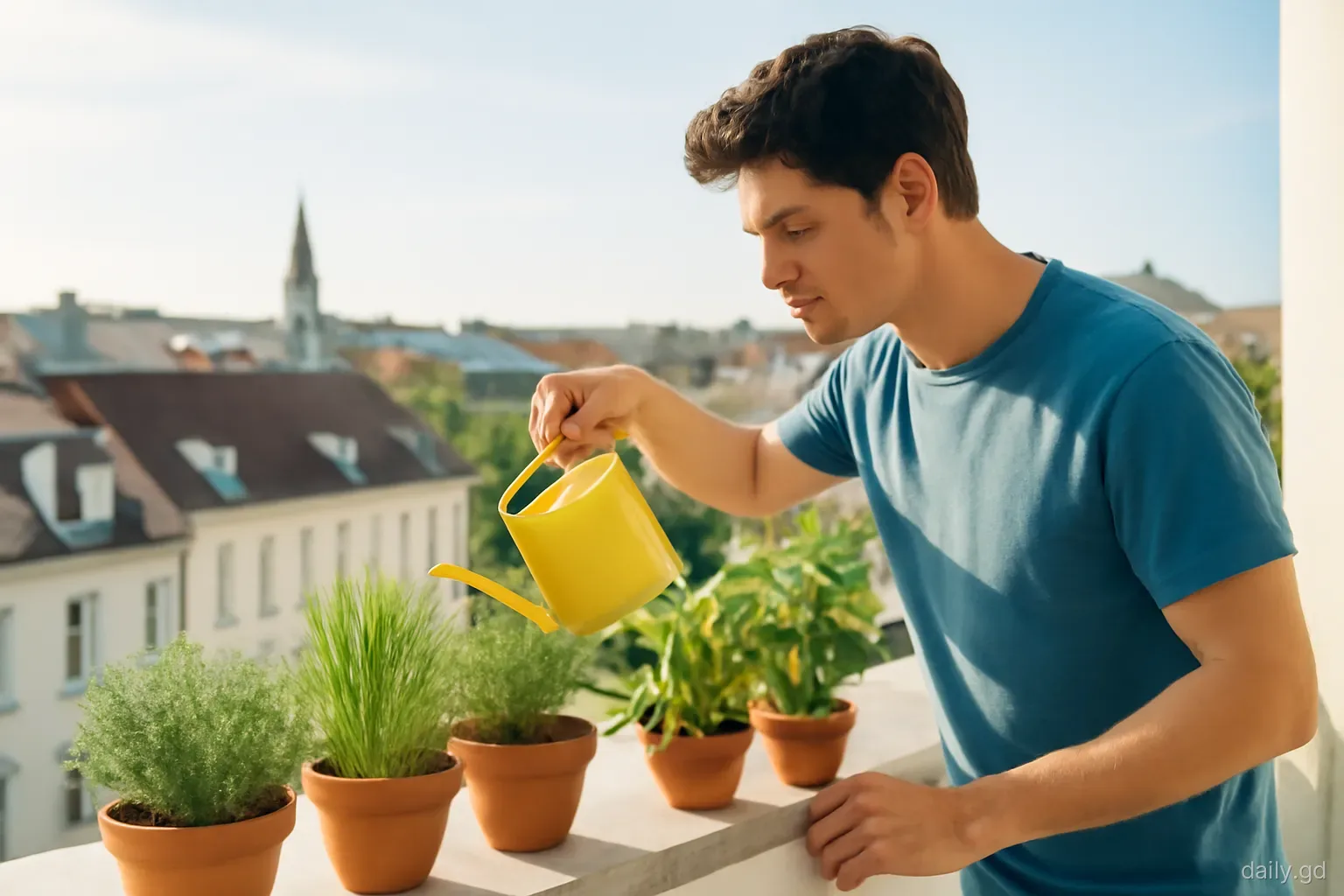
Almost every Grenadian pot of stew chicken, oil down or lentil peas starts with the same handful of green things: chive, thyme, a seasoning pepper or two, often celery, parsley and shado beni. In the market they come bundled for a few dollars, and many households still pick them from a patch by the back door. For renters, apartment dwellers and newcomers who do not have a yard, a few pots on a veranda or balcony can supply most of what a kitchen needs.
Container herbs in Grenada are easy in some ways and tricky in others. Sun and warmth are never the problem; heat, drying out in the dry season, heavy rain in the wet season, and pests like aphids and caterpillars are. This piece covers what to grow, how to set up pots that work in the tropics, and how to keep them going through the year without a garden.
What to grow first
Chive (Grenadian chive). The broad-leaved spring onion that goes into almost everything. It grows easily from a rooted clump bought at the market: trim the tops, plant the bases, and it multiplies within weeks. Cut leaves from the outside and the clump keeps producing for years.
Thyme. Grenadian kitchens use a small-leaved thyme, often called French thyme, and a broad-leaved thyme with thick, fleshy leaves sometimes called Spanish thyme or big-leaf thyme. Both grow well in pots. The broad-leaved type roots easily from cuttings pushed into moist soil.
Seasoning peppers. The mild, aromatic peppers that give flavour without heat. Grow them from seed saved from market peppers, or buy seedlings from plant sellers. One or two plants produce for months. Keep them apart from hot peppers if you save seed, as they cross-pollinate.
Shado beni (culantro). The flat, serrated leaf with a strong coriander flavour. It prefers partial shade and moist soil, and bolts to seed quickly in full sun. A pot on the shaded side of the veranda suits it.
Celery and parsley. Local leaf celery is a thin-stemmed, strongly flavoured plant quite different from supermarket celery. Both it and parsley grow best in the cooler, drier months from December to April.
Basil and mint. Not traditional green seasoning, but useful and easy. Mint spreads aggressively, so give it a pot of its own.
Containers and soil that suit the tropics
Almost any container works if it drains well. Hardware stores and garden centres sell plastic pots in many sizes, and plenty of Grenadian herb gardens grow in recycled buckets, paint tins and cut-down water bottles. Drill or punch several holes in the base, because waterlogged roots rot quickly in heavy rain. Pots of at least twenty to thirty centimetres across are best for peppers; chive and thyme manage in smaller ones. Dark plastic heats up in full sun, so lighter colours, clay pots or a pot inside a slightly larger pot help keep roots cool.
For soil, a mix of good garden soil, compost and something to improve drainage works well. Bagged potting mix is sold at garden supply shops; many people mix it with well-rotted manure or compost and some coarse sand. Pure clay from the yard compacts in pots and drains badly. Adding a handful of compost or a slow-release fertiliser every couple of months keeps herbs producing, because frequent watering washes nutrients out of containers faster than from the ground.
Setting up a balcony herb garden
A small, productive herb corner can be set up in an afternoon. This sequence suits a veranda, balcony or step outside a rented apartment.
- Choose the spot. Most herbs want four to six hours of sun; a spot with morning sun and afternoon shade is ideal in Grenada's heat. Avoid places directly exposed to strong wind and salt spray if you live close to the sea.
- Buy starter plants. A bundle of chive and thyme from the market, with roots attached, is the cheapest start. Ask vendors for pieces with roots, or root cuttings in a glass of water for a week.
- Fill pots with your mix to a couple of centimetres below the rim, plant, and water thoroughly until water runs from the base.
- Group pots together. Clustered containers shade each other's sides and hold moisture better than pots spread out.
- Put saucers under pots only if necessary to protect floors, and empty them after watering. Standing water in saucers breeds mosquitoes.
- Start harvesting lightly after two or three weeks, always cutting from the outside and never taking more than a third of the plant at once.
Watering through the seasons
Watering is where most container gardens fail. In the dry season, a pot in full sun can dry out completely in a day, and herbs wilt by noon. Water early in the morning, deeply, until water drains from the base, and check again in the late afternoon. A layer of mulch on top of the soil, such as dried grass, coconut fibre or small stones, cuts evaporation. When NAWASA regulates supply, used water from rinsing vegetables or the cooled water from boiling eggs is fine for herbs.
In the rainy season the problem reverses. Pots sitting in the open fill with rainwater and roots begin to rot, especially thyme and shado beni. Move pots under the edge of a roof during long wet spells, or raise them on bricks so they drain freely. Yellowing leaves and soft, dark stems at soil level are signs of too much water rather than too little. Herbs bought from plant sellers in the wet season often arrive waterlogged; let them dry slightly before repotting.
Pests and problems to watch
Aphids. Small green or black insects clustered on new growth, especially on peppers. Wash them off with a strong spray of water, or use a mild solution of soapy water. Check under leaves every few days.
Caterpillars. They can strip a pepper plant overnight. Pick them off by hand in the evening and morning, when they are most active.
Ants. Ants farm aphids and nest in dry pots. Standing pots in a tray of water, or using a sticky barrier around pot rims, keeps them away. Leaf-cutting ants, known locally as bachac, can remove a whole plant in one night.
Leggy, pale growth. A sign of too little sun. Move the pot to a brighter spot.
Bolting. Shado beni, basil and parsley go to seed in heat and stress. Pinch off flower stalks to keep leaves coming, or let one plant seed and sow the seed for new plants.
Wind and salt. On high balconies and seafront verandas, wind dries pots fast and salt burns leaf edges brown. A low screen of lattice or a row of taller pots on the windward side shelters smaller herbs.
Storm season. Pots on balconies become projectiles in strong winds. When a storm watch is issued, bring every container indoors or tuck it into a sheltered corner, and replant anything damaged once the weather clears.
Making the most of your harvest
A few pots give more than most households expect, especially chive and thyme. These habits help you use it well.
- Make green seasoning in batches: blend chive, thyme, peppers, garlic and shado beni with a little oil or vinegar and keep it in a jar in the fridge.
- Freeze chopped herbs in ice cube trays with a little water or oil for times when plants are resting.
- Dry thyme by hanging small bunches in a shaded, airy spot during the dry season. In the wet season, dry it in a low oven instead to avoid mould.
- Swap cuttings with neighbours. Many Grenadian households are happy to share a root of chive or a piece of thyme, and a gift of peppers often comes back as something else.
- Replant chive every year or two by dividing clumps, which keeps them vigorous.
Frequently asked questions
Can herbs be grown in pots all year in Grenada?
Yes. Chive, thyme and seasoning peppers grow all year with enough water in the dry season and good drainage in the rainy season. Celery and parsley do best from about December to April, when it is slightly cooler and drier.
Where can starter plants be bought?
The simplest option is buying bundles with roots from market vendors and replanting them. Plant sellers, garden centres and hardware stores sell seedlings and seeds, and agricultural shows and community events sometimes have plants for sale.
How much sun do seasoning herbs need?
Most need four to six hours of direct sun. Shado beni prefers partial shade. In Grenada's strong sun, a spot with morning sun and some afternoon shade often gives the best results, especially in the hot months.
Why does chive turn yellow at the tips?
Usually from overwatering, poor drainage or lack of nutrients. Check that the pot drains freely, let the surface dry slightly between waterings, and add compost or a balanced fertiliser every couple of months.
Is it safe to use greywater on herbs?
It is best to avoid greywater containing soap on herbs that you eat raw or lightly cooked. Water left over from rinsing vegetables or cooking, once cooled, is fine. Save soapy water for ornamental plants and fruit tree roots.