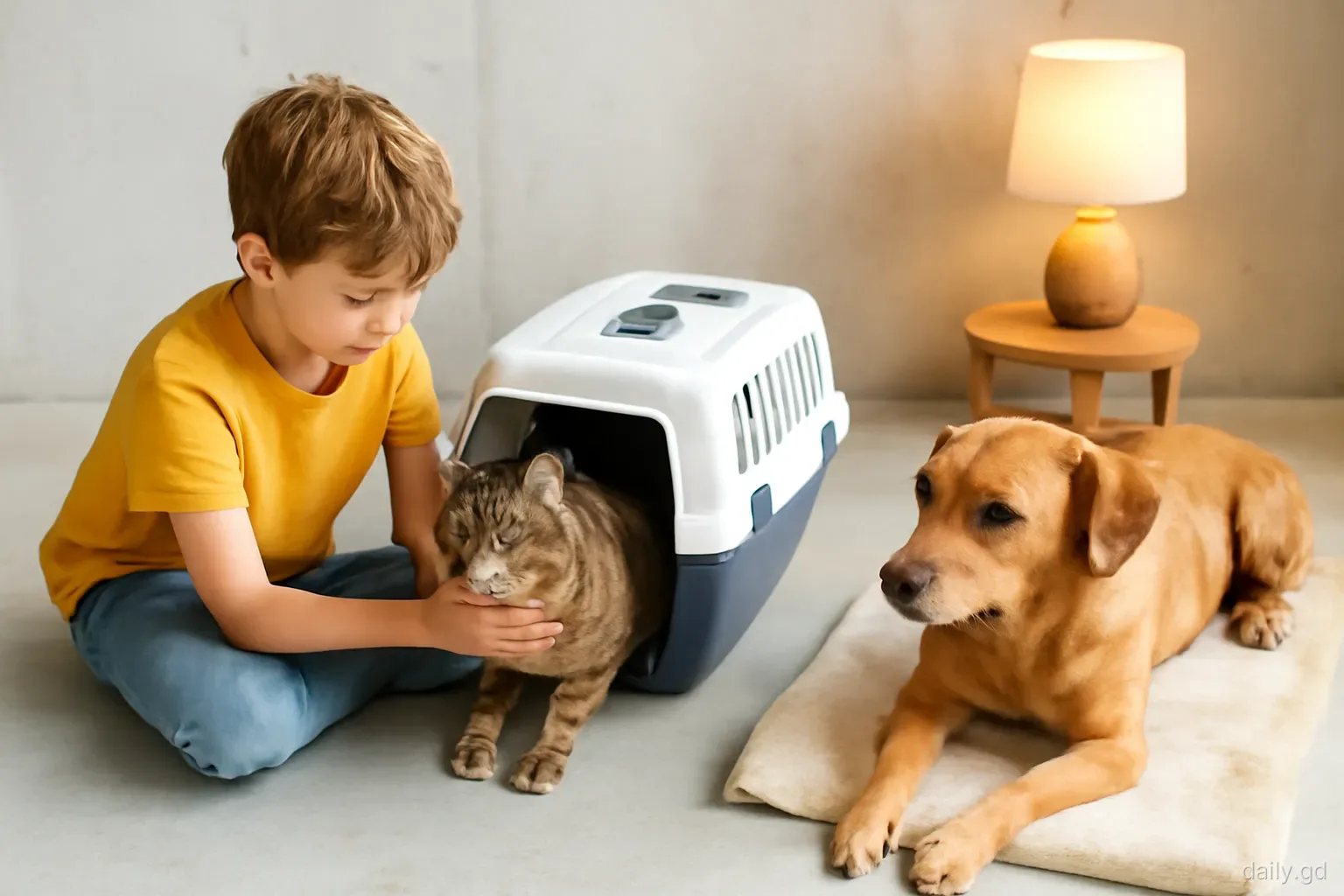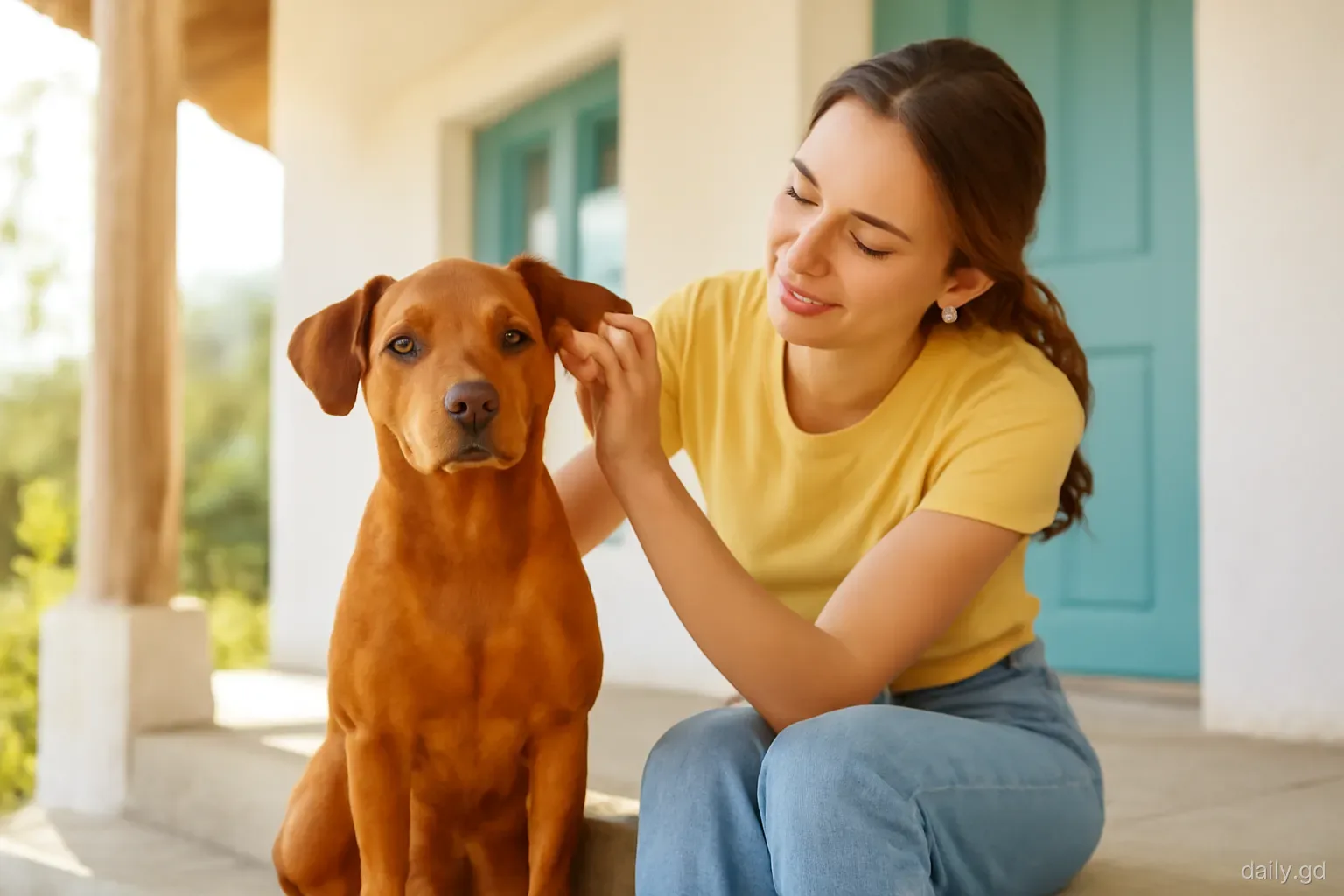
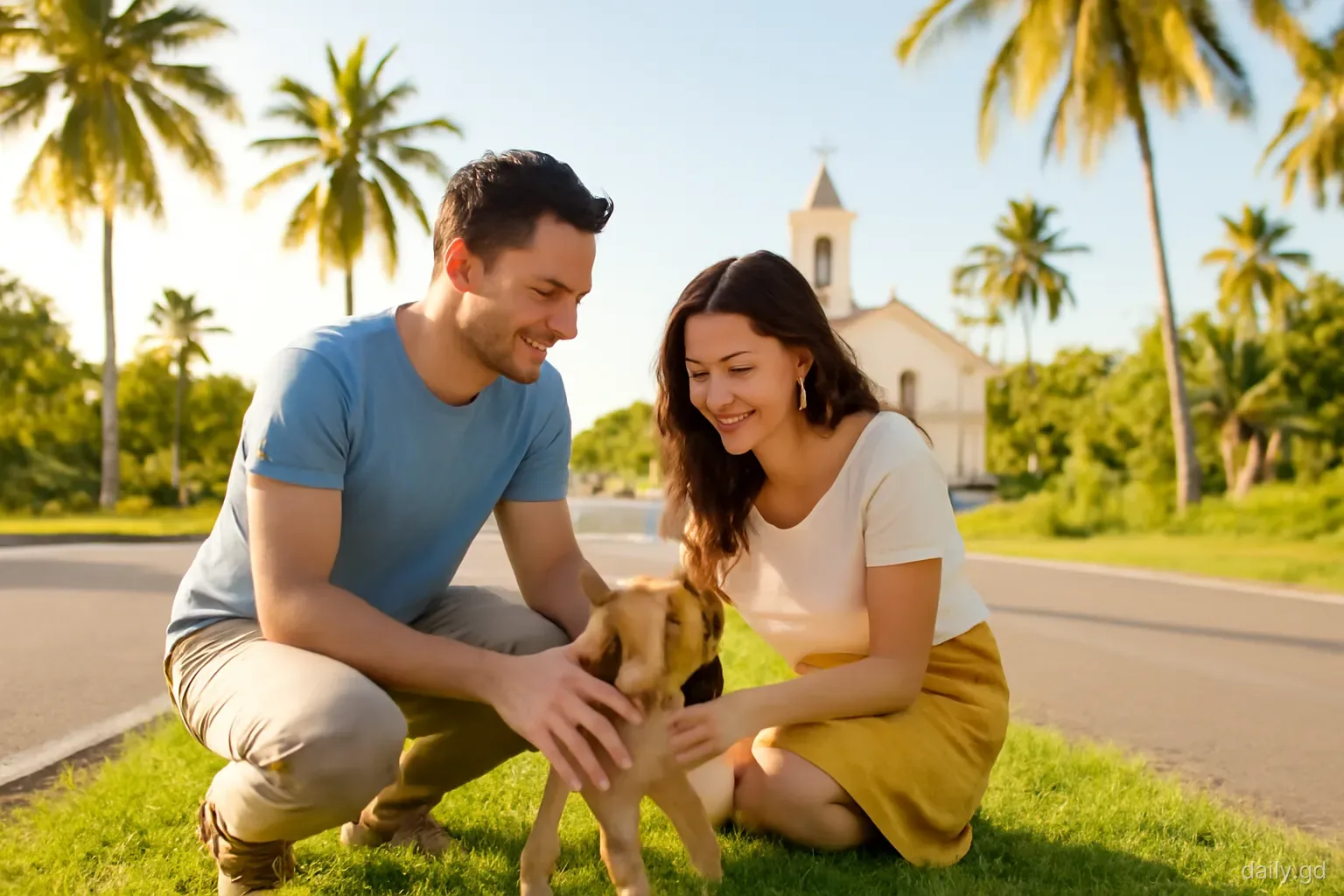
The pothound is Grenada's everyday dog: medium-sized, short-coated, usually tan, black or brindle, alert and hardy. The name, used across the southern Caribbean, comes from the old habit of feeding yard dogs from the leftovers in the cooking pot. Pothounds are mixed-breed dogs shaped by generations of island life, and they tend to be well suited to the heat, resistant to some local problems and loyal to their families.
Many newcomers and residents adopt a pothound from a rescue, a neighbour's litter or a puppy found by the roadside. It is a rewarding choice, and adopting a local dog helps reduce the number of strays. It also comes with responsibilities that are easy to underestimate. This piece covers where adoptable dogs come from, why neutering matters so much in Grenada, the first weeks of care, and what to think about if you may leave the island one day.
Where adoptable dogs come from
Grenada has a large population of free-roaming and owned-but-roaming dogs, and unplanned litters are common. Many adoptions happen informally: a neighbour's dog has puppies, a pup turns up at a construction site, or someone finds a litter abandoned in a bag by the road, sadly still a regular occurrence. Social media groups for animal lovers in Grenada often post dogs and puppies needing homes, along with lost and found pets.
Organised rescue has relied heavily on volunteers and small charities. The Grenada Society for the Prevention of Cruelty to Animals has long run the island's main shelter at Lowther's Lane in St George's, rehoming dogs and cats and running spay and neuter programmes, without government funding. In July 2026 it announced a temporary closure of its clinic and shelter because it had no vet and needed to restructure and raise funds. Check its current status, and look to vets, volunteer groups and community pages for dogs needing homes. Vets often know of animals waiting for adoption.
Is a pothound right for you?
Energy and exercise. Pothounds are usually active, intelligent dogs. They need daily walks or a secure yard to run in, and they get bored and destructive if left alone for long periods.
Guarding instincts. Many are natural watchdogs and will bark at strangers, other dogs and passing goats. This suits households wanting a guard dog, but can be a problem in apartments or close-packed neighbourhoods.
Size and temperament. Adult size is hard to predict in a mixed-breed puppy. An adult dog's personality is easier to judge, which is one reason to consider adopting a young adult rather than a puppy.
Time commitment. A dog may live twelve to fifteen years. Think about long work hours, travel, future moves and who will care for the dog when you are away.
Costs. Food, vaccinations, neutering, monthly parasite prevention and occasional vet visits add up. Budget for routine care, and set aside something for emergencies.
Why neutering matters so much here
The single most useful thing an owner can do for Grenada's dog population is to spay or neuter their pet. A female dog can have two litters a year, and her puppies can breed within months. Most of the strays seen on beaches and roadsides are descendants of owned dogs allowed to roam and breed. Unwanted puppies are often abandoned, and many die from disease, hunger or traffic.
Neutering also benefits the individual dog. Spayed females avoid heat cycles, unwanted pregnancies and a serious womb infection called pyometra, and have a lower risk of some cancers. Neutered males are less likely to roam, fight and mark territory, reducing their risk of road accidents and injuries. Private vets perform the surgery, and low-cost spay and neuter campaigns have been run in Grenada over the years by local charities, sometimes with visiting veterinary teams. Ask your vet when to neuter; it is often done around six months of age, though advice varies for different dogs.
The first weeks after adoption
A good start helps an adopted dog settle and avoids health problems later. Plan these steps before you bring the dog home.
- Book a vet check within the first few days. The vet will assess general health, check for parasites, start or update vaccinations, and discuss neutering and heartworm testing.
- Deworm and treat for ticks and fleas. Most rescued and found dogs carry parasites.
- Prepare a safe space: a shaded, ventilated area with water, bedding and something to chew. A secure fence or gate prevents escape while the dog learns where home is.
- Introduce other pets slowly and supervise the first meetings.
- Start simple training with rewards: name, sit, come and walking on a lead. Pothounds are quick learners.
- Keep the dog on a lead outside the yard until recall is reliable. Roaming dogs face traffic, fights and poisoning.
- Fit a collar with your contact details, and ask your vet about microchipping.
Yard dog or house dog?
In Grenada, many dogs live outside in the yard, while others share the house. Either can work, but each has requirements.
- Yard dogs need full-day shade, a raised, dry shelter that keeps out rain and wind, fresh water and daily human company. Chaining a dog permanently causes frustration and aggression; a secure fence is far better.
- House dogs need regular exercise and outdoor time, and protection from fleas and ticks to keep homes clear of parasites.
- All dogs need to be secured during storms, fireworks at Christmas and New Year, and any time they are frightened, since panicked dogs run.
- Food should be a balanced commercial dog food or a carefully planned home diet. The traditional pot leftovers are often too salty, spicy or bony.
- Socialisation with people, children, other dogs and traffic in the first months produces a calmer, more confident adult.
Thinking ahead: moving abroad with your dog
Plan early. Many people who adopt in Grenada later move to the United States, Canada, the United Kingdom or elsewhere. Each country has its own import rules, which can require microchipping, rabies vaccination, blood tests and waiting periods. Start preparing months before a planned move.
Keep records. Keep copies of all vaccination and vet records, including microchip numbers and dates of rabies vaccinations. These are essential for export.
Rabies status matters. Because rabies is present in Grenada's wildlife, some destinations treat dogs from Grenada with extra requirements. Check with the destination country's official authorities and your vet.
Airline rules. Airlines have their own rules about crates, breeds, temperatures and seasons. Many restrict pets travelling in the hold during the hottest months, and connecting routes can add their own conditions. Check before booking, and allow for connecting flights.
Rehoming responsibly. If a move abroad is not possible for your dog, start looking for a new home well in advance, through vets and community groups. Abandoning a dog when leaving the island is cruel, and dogs left behind rarely survive long on the street.
Mistakes new owners make
Letting the dog roam. Roaming dogs breed, fight, get hit by vehicles and may be poisoned. Keep your dog in a secure yard or on a lead.
Delaying neutering. Waiting too long often results in an unplanned litter. Ask your vet early about the right time.
Skipping parasite prevention. Ticks and heartworm are common in Grenada. Monthly prevention is far cheaper than treatment.
Adopting on impulse. A puppy found at the roadside tugs at the heart, but think through time, cost and long-term plans before committing.
Expecting a guard dog to be a pet without training. A pothound left alone in the yard with little contact may become nervous or aggressive. Daily interaction, gentle training and socialisation make a safer, happier dog.
Ignoring fireworks season. Christmas and New Year fireworks frighten many dogs into running away. Keep them indoors on those nights and make sure their ID tag is current.
Puppies found by the roadside
Finding very young puppies is common in Grenada, and their needs are different from those of an adopted adult dog. Puppies under about four weeks old cannot regulate their body temperature or eat solid food. They need warmth, frequent feeding with a puppy milk replacer from a vet or pet supply store, not cow's milk, and gentle stimulation to urinate and defecate. A vet can advise on feeding schedules and check for dehydration, fleas and worms, which are often severe in abandoned litters.
Older puppies, from around six to eight weeks, can usually eat soaked puppy food. Keep found puppies apart from other dogs until they have been checked by a vet and started on vaccinations, because parvovirus and distemper spread easily and are often fatal at this age. If you cannot keep the puppies, contact vets and rescue volunteers early; finding homes for puppies is easier while they are young. Caring for a litter is a big commitment, and help from friends and neighbours makes it manageable.
Frequently asked questions
What is a pothound?
Pothound is the Caribbean name for a local mixed-breed dog, usually medium-sized, short-coated and hardy. The name comes from the old practice of feeding yard dogs from the leftovers in the cooking pot. Pothounds are generally well adapted to Grenada's climate.
Where can a dog be adopted in Grenada?
The GSPCA has historically been the main shelter, but it announced a temporary closure in July 2026, so check its status. Vets, volunteer rescuers and community social media groups regularly post dogs and puppies needing homes.
At what age should a pothound be neutered?
Many vets neuter dogs at around six months, but advice can vary depending on the dog's size, sex and health. Discuss timing with your vet at the first check-up, and keep a female dog away from males until she is spayed.
Do adopted dogs need special health checks?
Yes. Most rescued or found dogs need deworming, tick and flea treatment, vaccinations and a heartworm test once they are old enough. A full vet check in the first week is the best start.
Can a dog adopted in Grenada be taken abroad later?
Usually yes, but destination countries have specific import rules, often including microchipping, rabies vaccination, blood tests and waiting periods. Plan several months ahead and keep complete vaccination records from the start.