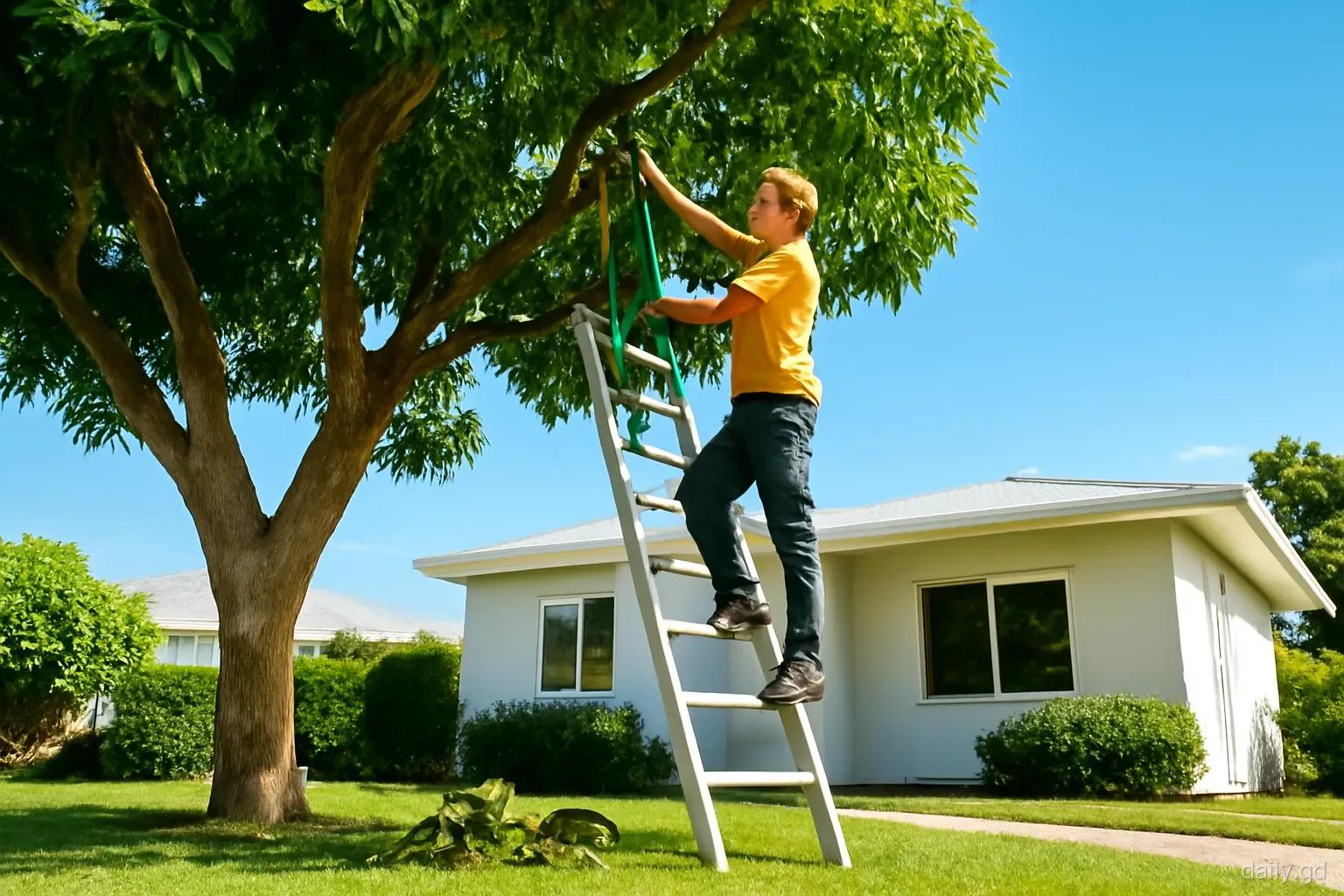
In March, a Grenadian yard can look brown and tidy after weeks without rain. By August, the same yard may be knee-deep in grass, vines climbing the fence and bush creeping in from the empty lot next door. Growth in the rainy season is fast, and households that let it slip for a few weeks find the job much harder to catch up with. Overgrown yards also bring practical problems: mosquitoes, rats, snakes in some areas, and the risk of debris in a storm.
Keeping a yard under control in the wet months is part of everyday life here, whether you do it yourself with a cutlass and a weed-whacker or pay someone to come once a fortnight. This piece covers how often to cut, the tools that suit Grenadian conditions, what to expect when hiring help, and the less obvious jobs such as clearing drains, managing vines and disposing of green waste.
Why growth explodes from June
Grenada's grasses and weeds are adapted to a cycle of dry and wet seasons. In the dry months, from about January to May, many go dormant or slow down, especially on the drier south coast and in Carriacou. Once regular rain returns in June, they grow at a remarkable pace, helped by warmth and long days. A lawn that needed cutting once a month in the dry season may need it every week or two from July to November. Vines such as morning glory and wild passion fruit can cover a fence or small tree in a few weeks.
Bush on neighbouring land is a common source of trouble. Many plots in Grenada are vacant or owned by family members abroad, and unmanaged land grows into dense bush quickly. Seeds, vines and pests spread from these lots into tended yards. If an adjacent plot is overgrown and causing problems, a polite conversation with the owner or a family member often helps; persistent problems with neglected land can be raised with the local health or environmental authorities, who have powers to deal with properties that become a public health nuisance.
Tools that suit Grenadian yards
The cutlass. Still the most common garden tool in Grenada. A well-sharpened cutlass clears grass, bush and small branches efficiently in experienced hands. It needs regular sharpening with a file and care in use; cutlass injuries are a common reason for clinic visits.
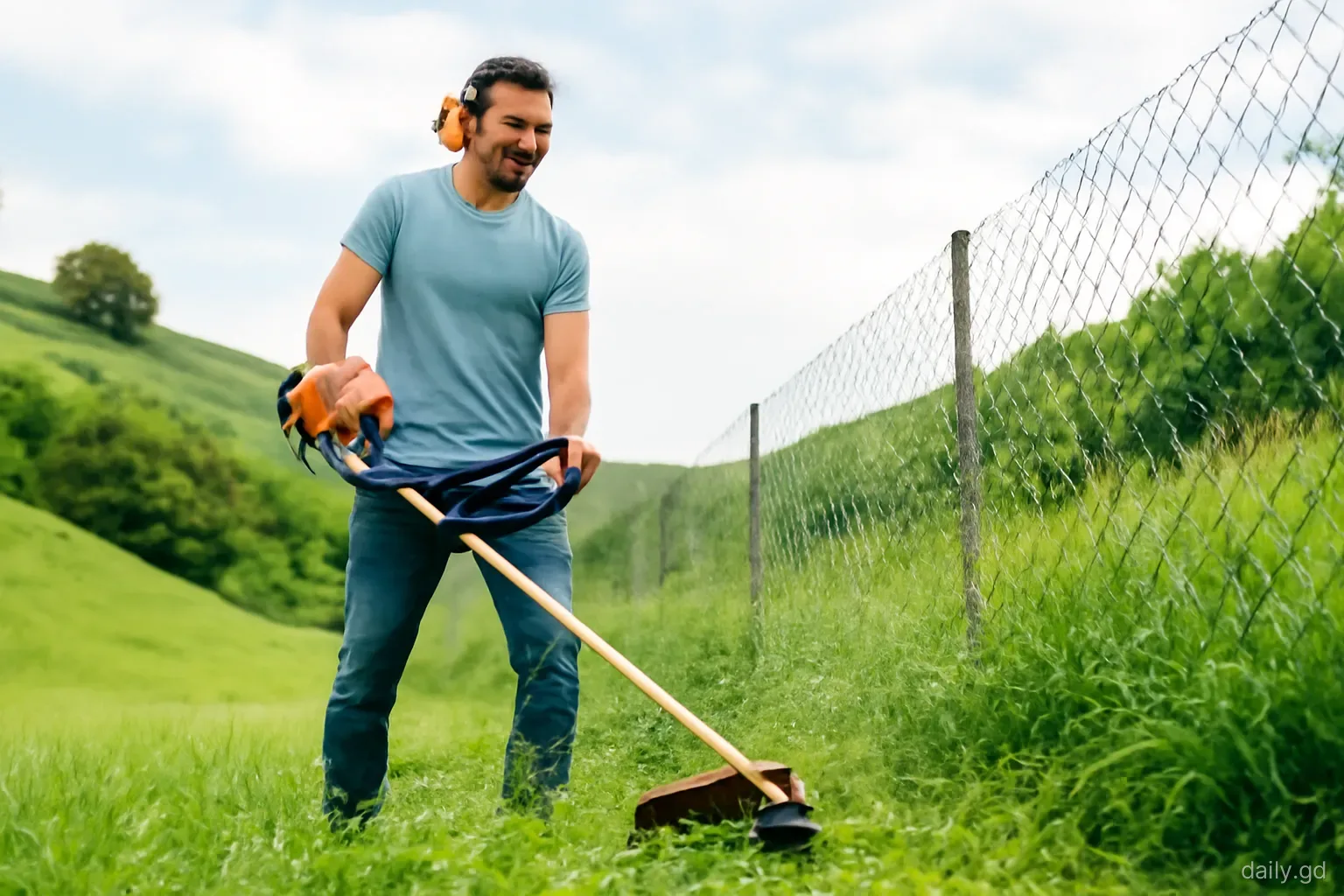
Brush cutter or weed-whacker. A petrol-powered brush cutter with a nylon line or blade handles grass and light bush quickly. Hardware stores sell them in a range of sizes. Wear eye protection, long trousers and closed shoes, as they throw stones and debris.
Lawn mower. Useful for flat, regular lawns, especially in newer housing developments. Many Grenadian yards are too steep, rocky or uneven for mowers to work well.
Hoe, fork and rake. For weeding beds, loosening soil and gathering cuttings. A garden fork is useful for lifting weeds with deep roots.
Loppers and pruning saw. For hedges and small branches. Keeping hedges trimmed regularly is easier than cutting back heavily once a year.
Protective gear. Gloves, eye protection, boots and long sleeves matter. Bush hides broken glass, wasps' nests and sometimes centipedes, and cuts from grasses and thorny plants can become infected in the heat.
A rainy season routine
Regular small jobs prevent the yard getting out of hand. This schedule suits most households from June to November.
- Every week or two: cut grass and edges, focusing on the areas closest to the house first.
- Every two weeks: walk round the yard and tip out anything holding water, such as buckets, tyres, plant saucers, coconut shells and plastic sheeting.
- Every month: trim hedges, pull vines off fences and trees, and weed garden beds.
- Before the peak of hurricane season: remove dead branches, secure or store loose items, and clear gutters and yard drains.
- After heavy rain: check drains and culverts on your property for blockages, and clear leaves and debris.
- After each cut: rake up cuttings or leave them as mulch where they will not wash into drains.
Hiring someone to do it
Many Grenadian households, including busy professionals and older residents, pay someone to cut the yard. Arrangements range from an informal deal with a young man from the village who comes with his own cutlass and brush cutter, to a regular gardener employed for one or more days a week, to landscaping businesses that offer contracts for larger properties. Ask neighbours for recommendations; the best yard workers tend to be busy and booked by word of mouth.
Agree clearly what the job includes: cutting grass only, or also hedges, weeding, raking and removing the cuttings. Ask whether they bring their own tools and fuel, and how often they will come in the rainy and dry seasons. Rates vary by size of yard, terrain and what is included, and should be agreed before work starts. If someone works for you regularly on set days, they may count as an employee for National Insurance and other purposes, so check your obligations with the National Insurance Scheme. Paying promptly and treating workers fairly keeps good people coming back.
Mosquitoes, pests and safety
An untidy yard affects more than appearance. Grenada has had dengue outbreaks in recent years, and the Aedes mosquito that spreads dengue, chikungunya and Zika breeds in yards.
- Standing water is the main breeding site. Tip out containers weekly, keep water tanks covered, clean gutters and fill holes where water collects.
- Bromeliads and plant pots hold water in their leaves and saucers. Flush them regularly or avoid them close to the house.
- Tall grass and debris shelter rats, which carry leptospirosis, a disease that rises after heavy rain and flooding. Wear gloves and boots when clearing.
- Wasps' nests are common in hedges and under eaves. Look before cutting into dense growth.
- Centipedes and scorpions hide under stones, wood and debris in some areas. Lift objects with gloves on.
- Fire risk is low in the rainy season but rises sharply in the dry months, when dried bush and grass can catch from careless burning.
Disposing of green waste
Composting. Grass cuttings, leaves and soft prunings make good compost in a simple pile or bin in a corner of the yard. Turn it occasionally and keep it moist. In a few months it becomes material for garden beds and fruit trees.
Mulching. Spreading cut grass around trees and in beds keeps soil moist and suppresses weeds. It is the easiest way to use green waste.
Burning. Burning heaps of bush and leaves is traditional, but smoke affects neighbours, especially people with asthma, and fires can spread in dry weather. Check whether any burning restrictions apply in your area, keep fires small and never leave them unattended.
Collection. The Grenada Solid Waste Management Authority collects household waste; ask whether bagged green waste is accepted in your area and how it should be put out.
What not to do. Do not dump cuttings in ghauts, rivers, drains or on vacant land. Blocked waterways are a major cause of local flooding in Grenada.
Mistakes that make the job harder
Letting it go for a month. Grass and bush that have grown waist-high take far longer to cut and are harder on tools. Little and often is easier.
Cutting grass too short. Scalping lawns in hot weather leaves bare soil that bakes and erodes, and weeds move in. Leave grass a few centimetres long.
Ignoring drains. Blocked yard drains and culverts flood yards and houses in heavy rain. Keep them clear year-round.
Working in the midday heat. Heat exhaustion is a real risk in Grenada's humid months. Work early in the morning or late afternoon and drink plenty of water.
Cutting right after rain. Wet grass clogs brush cutters, slips underfoot on slopes and tears rather than cuts. Wait for a dry morning where possible, and never use electric tools on wet ground.
Frequently asked questions
How often should grass be cut in Grenada's rainy season?
Most yards need cutting every one to two weeks from about July to November, compared with every few weeks or less in the dry season. Fast-growing areas near drains and damp ground may need attention more often.
What should a yard worker be paid?
Rates vary with the size and terrain of the yard, the work included and whether the worker brings tools and fuel. Ask neighbours what they pay for similar work and agree the price and scope before work begins.
Can a neighbour be made to clear an overgrown lot?
Start by talking to the owner or their family. If neglected land becomes a public health problem, for example by harbouring rats or mosquitoes, the local health authorities can be asked to investigate and may require the owner to act.
Is it legal to burn garden waste?
Burning small amounts of garden waste is common, but restrictions can apply, especially during dry periods or near roads and buildings. Check current rules, keep fires small and supervised, and consider composting instead.
Which tool is best for a steep, uneven yard?
A petrol brush cutter and a sharp cutlass are usually best for steep or rocky yards where mowers struggle. Wear protective gear, and consider hiring experienced help for very steep or overgrown areas.