In a crisis, the systems you know from abroad shape your reflexes: dial a number, wait a few minutes, hand the patient over to paramedics. In Grenada parts of that still apply, but the gaps matter. Ambulance cover is thinner, many homes have no street number, roads to hillside houses are narrow and steep, and a neighbour with a car is sometimes the fastest transport available.
None of this is a reason for alarm. It is a reason to spend one quiet afternoon preparing. The households that cope best with a collapse, a fall or a child's severe allergic reaction are the ones that already know which hospital to head for, how the ambulance is reached from their area, how to describe the house, and where the medication list is kept.
Calling for help: 911 and the ambulance line for your area
The number for police and fire in Grenada is 911, and it is the number to remember in any situation where you are unsure. Ambulance dispatch has traditionally been linked to the hospitals, with short local codes for the General Hospital in St George's, Princess Alice Hospital in St Andrew's and Princess Royal Hospital on Carriacou, and the government has spoken of moving to a centralised emergency medical dispatch. Arrangements can change, so find out today which line serves your parish, ask your health centre or GP to confirm it, and save it in every phone in the house next to 911.
When you call, say clearly what has happened, how many people are hurt, whether the person is breathing and conscious, and where you are. Then follow the dispatcher's instructions and keep the line free. In much of St George's and the south an ambulance can arrive reasonably quickly; in rural St Patrick's, St Mark's or the hills of St David, it may take considerably longer, which is why the next decision matters.
Wait for the ambulance or drive?
Wait when movement could cause harm. Suspected spinal or neck injury after a fall from a height or a road accident, serious bleeding that needs constant pressure, or anyone unconscious and needing airway care should be moved by trained crews where possible.
Wait when the dispatcher tells you to. They may know an ambulance is close, or want you to start CPR rather than lose minutes loading a car.
Drive when the patient is stable enough and help is far. A conscious adult with chest pain, a child with a high fever and difficulty breathing, or a deep cut controlled by pressure are often taken by private car, especially far from St George's. Call the hospital on the way if you can, so staff expect you.
Never drive alone with a very sick person. One person drives; another watches the patient and keeps pressure or position. If that means waking a neighbour, wake the neighbour. Grenadians will help.
Do not speed recklessly. Narrow bends, route buses and pedestrians on unlit roads make a crash on the way a real risk. Steady and safe beats fast and frightening.
Which hospital to head for
For most of the island, the accident and emergency department at the General Hospital in St George's is the main destination: it has the widest range of specialists, the intensive care unit and the operating theatres. Princess Alice Hospital at Mirabeau in St Andrew's serves the east and north-east and is closer for people in Grenville, Grand Bras or Tivoli; it can stabilise and treat many cases and will transfer to St George's when needed. On Carriacou, Princess Royal Hospital at Belair is the first stop, with Petite Martinique relying on its own medical station and transfer by sea or air.
Private options such as St Augustine's Medical Services in St Paul's can see urgent cases, though some situations still end with a transfer to the General Hospital. At any emergency department, patients are triaged by severity, so a sprained ankle will wait while a heart attack is seen first. Bring water, a phone charger and patience. If the case is beyond what Grenada can manage, doctors will discuss transfer abroad, which is where air ambulance insurance makes the difference.
Preparation worth doing this week
Most of the first hour is lost to small things: hunting for an insurance card, explaining a route, guessing at doses. Fix those now:
- Write directions to your house as you would give them to a driver who has never been there: main road, landmark, colour of the gate, which side of the road. Tape a copy inside a kitchen cupboard and save it as a phone note.
- Decide where an ambulance should meet you. If your driveway is steep or unpaved, the meeting point is the main road, and someone should stand there with a torch at night.
- Pack a small grab bag: photocopy of passport or ID, insurance card, the medication list with generic names, a phone charger, some cash, a bottle of water and a light jacket, since hospital waiting areas are often cold.
- Keep a basic first aid kit and know where it is: pressure bandages, gauze, gloves, a thermometer, and antihistamines and any prescribed adrenaline auto-injector for people with severe allergies.
- Put two local contacts with cars in your phone, people who have agreed to be called at night.
- Take a first aid and CPR course. Organisations such as the Grenada Red Cross Society run courses from time to time; ask about the next one.
- Check what your insurance requires in an emergency, including the assistance line you must notify for evacuation.
Common emergencies and what helps
Road accidents, falls from ladders and fruit trees, machete injuries in gardens, severe asthma, diabetic emergencies, heart attacks and strokes make up much of the urgent work at Grenadian hospitals, alongside heat illness and dengue with warning signs. For a stroke, note the time symptoms started; it changes treatment decisions. For chest pain, chewing an aspirin may be advised by the dispatcher or a doctor if there is no allergy. For bleeding, firm, continuous pressure with a clean cloth does more than any improvised tourniquet.
For children, the commonest frightening events are febrile convulsions, choking and poisoning from household chemicals or kerosene stored in drink bottles, a habit still seen in some homes. Keep chemicals in their original containers and out of reach. For a suspected poisoning, take the container with you to the hospital. For marine injuries such as sea urchin spines or jellyfish stings, most need first aid rather than an emergency department, unless breathing is affected or a wound is deep.
Pitfalls to avoid
Giving vague locations. "Near the church in Grenville" can mean several places. Landmarks plus parish plus village name.
Calling only one number. If a line is busy or does not answer, try 911 and the hospital line for your area rather than redialling the same one for ten minutes.
Arriving without medicines. Bring the actual boxes or the list. Staff need to know what was taken, especially blood thinners and insulin.
Forgetting the insurer until afterwards. For evacuation especially, the insurer usually has to approve before the flight. Call early.
Leaving pets and children unplanned. Agree with a neighbour now who takes the children or the dog if you rush to St George's at midnight.
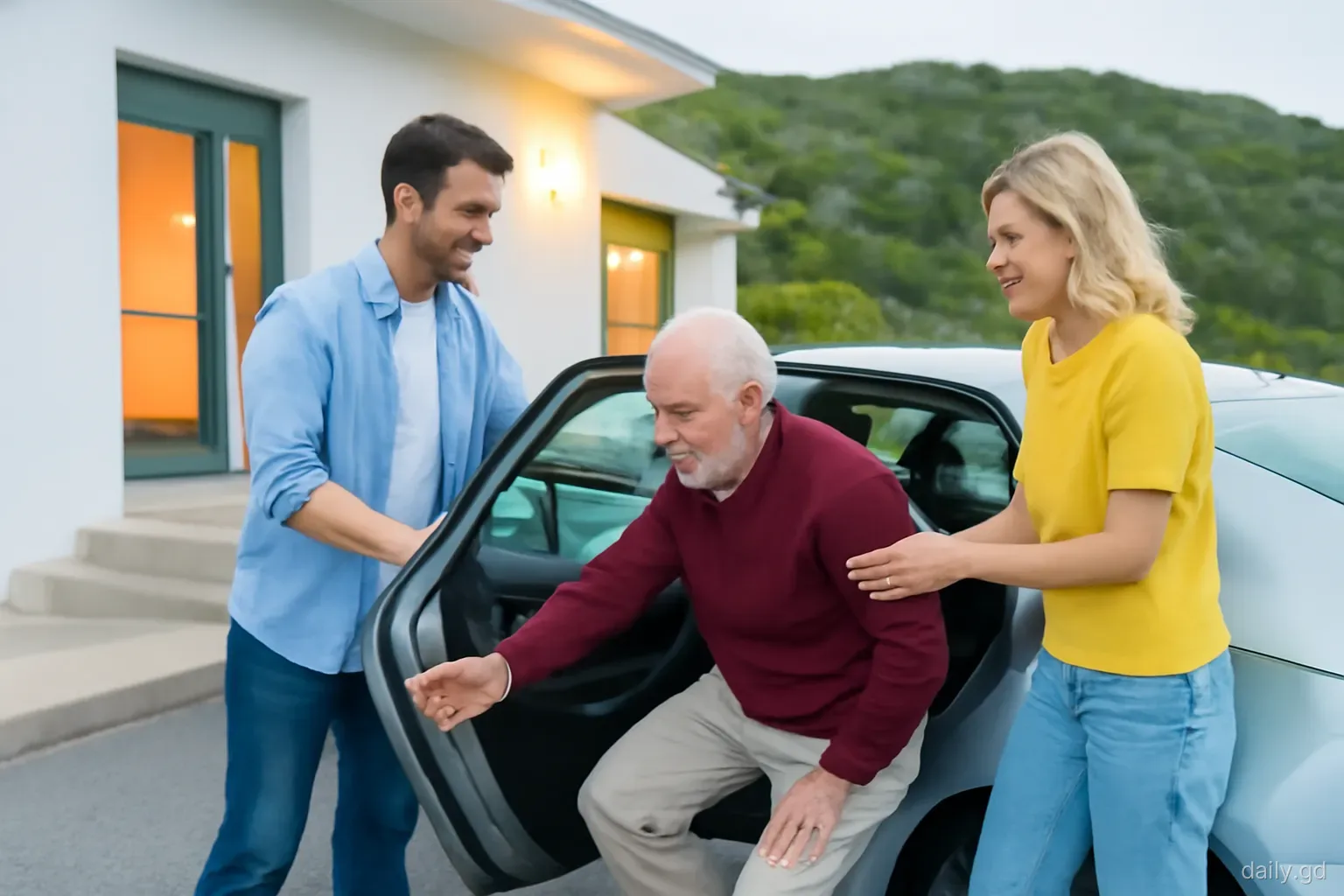
Moving someone after a fall without thinking. Older people who fall on wet tiles or outside steps may have a hip or wrist fracture. Keep them warm and still while you assess, rather than hauling them upright straight away.
Panicking about cost first. Treatment comes first; paperwork follows. Hospitals will stabilise a patient, and billing and insurance can be sorted out once the person is safe.
Frequently asked questions
What number do you call for an ambulance in Grenada?
Call 911 for police and fire and in any emergency where you are unsure. Ambulance dispatch has been linked to the hospitals by short local numbers, and the arrangement may change, so confirm the right line for your parish with your health centre and save it in your phone.
Is it faster to drive to hospital than to wait for an ambulance in Grenada?
Sometimes, particularly in rural areas far from St George's, and when the patient is stable and can sit in a car. Wait for trained crews with possible spinal injuries, heavy bleeding or unconsciousness, and follow the dispatcher's advice either way.
Which hospital has the main emergency department in Grenada?
The General Hospital in St George's has the main accident and emergency department, intensive care and the widest range of specialists. Princess Alice Hospital in St Andrew's serves the east, and Princess Royal Hospital serves Carriacou, with transfers to St George's when needed.
Do Grenada ambulances charge a fee?
Charges for public ambulance transport and emergency treatment can apply, particularly to non-nationals, and private hospitals bill for their services. Policies change, so ask your insurer what is covered and keep every receipt for a claim.
What should be in an emergency grab bag at home?
A copy of ID, insurance details, a medication list with generic names, a phone charger, some cash, water and a light jacket. Add written directions to your house so whoever calls for help can read them out calmly, even under pressure.