The first week in a rented house in Grenada usually brings a burst of new vocabulary. The landlord mentions that the current goes sometimes, the neighbour says the pipe was locked off this morning, the man who cuts the yard wants to know whether to clear the bush at the back, and somebody warns you about the jack spaniards nesting under the gallery. All of it is English, more or less, and none of it quite means what a newcomer expects.
These are the words of daily domestic life: the house, its water and power, the yard around it, the garden and the animals that share the space. Knowing them saves time with landlords, tradespeople and neighbours, and helps you follow advice that is often given casually over the fence. This guide groups the most useful ones by where you will meet them.
The house itself
Gallery. A veranda or porch, often running across the front of the house. Much of daily life, from shelling peas to receiving visitors, happens on the gallery.
Wall house and board house. A wall house is built of concrete blocks; a board house is wooden. The distinction matters for comfort, termite risk and hurricane resilience, and comes up in rental and sale descriptions.
Drawing room. An older term for the living room or front room, still heard among older people.
Upstairs and downstairs. Many hillside houses have a lower floor built into the slope, sometimes rented out as a separate apartment, called the downstairs.
The tank. A water storage tank, plastic or concrete, that keeps supply going when the mains is off. Many houses also have a cistern collecting rainwater from the roof.
The cylinder or gas. The bottled cooking gas tank attached to the stove, exchanged when empty at a depot or delivered by a supplier.
Water and power talk
Current. Electricity. "The current gone" means there is a power cut; "current come back" means it has been restored. The national electricity company is Grenlec, and people refer to it by name.
Pipe water. Mains water, supplied by the National Water and Sewerage Authority, known as NAWASA. "The pipe" can mean the tap or the supply in general.
Locked off. Turned off. "They lock off the water" means the supply has been cut, for repairs, rationing in dry season or, occasionally, non-payment.
Water come back. Supply restored. After a lock-off, the first water from the tap may be cloudy, and many households let it run before drinking.
The bill. Usually means the electricity or water bill, both of which can be paid at company offices, some agents and, increasingly, online.
The yard and keeping it tidy
In Grenada the yard is the land around the house, front and back, whether it is a tidy lawn with hibiscus hedges or a patch of packed earth with a mango tree. Keeping it clear is a matter of pride and practicality: long grass hides snakes, rats and mosquitoes and makes a house look abandoned. Neighbours notice, and an overgrown yard next door is a common source of friction.
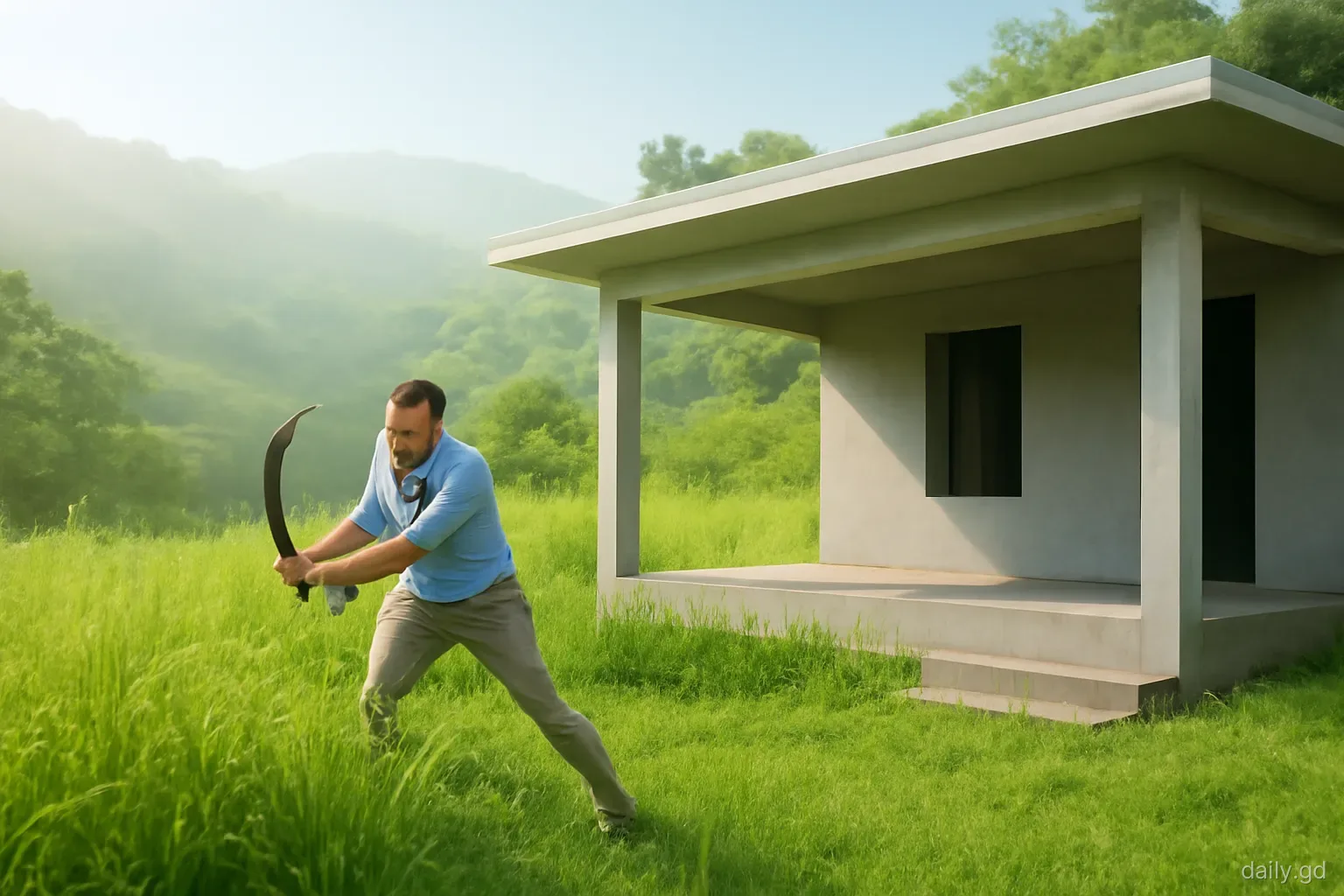
Bush is the word for overgrown vegetation, scrub and weeds, as in "the back full of bush" or "he gone to cut bush". In other contexts bush also means medicinal herbs, as in bush tea, so listen to the sentence. Brushing or cutting the yard means clearing it, traditionally with a cutlass, the long blade used for everything from trimming grass to opening coconuts. A weed-whacker, often called a whacker, is now common too. Many households hire someone to cut the yard every few weeks in rainy season, when growth is fastest.
Fowl means chickens, kept in many yards for eggs and meat; a fowl coop is the chicken house. Goats are often tied out on verges or empty land on a long rope, and a goat that breaks loose into a garden is a classic cause of neighbourly argument.
Garden, land and family land
Garden can confuse newcomers more than any other word. In Grenada it often means a cultivated plot for food, not a flower garden by the house. "She gone in the garden" may mean she has walked half an hour up a hill to a plot of dasheen, bananas and pigeon peas. Many families keep such plots on family land away from the house, and a garden in this sense is serious work.
Estate refers to a larger agricultural property, often a former plantation, many of which are now divided or partly abandoned. Lot or piece of land is used for a building plot.
Family land is land held in common by the descendants of an original owner, often without a formal division or updated title. It is a deeply rooted arrangement in Grenada and across the Caribbean, and it matters to anyone renting or buying: a relative who offers to rent or sell part of family land may not have the right to do so on their own. Always have a lawyer check title before any agreement.
Creatures of the yard
Zandoli. The small lizard on every wall and veranda, harmless and useful against insects.
Crapaud. A frog or toad, from French. Large cane toads come out on wet nights; keep pets away, as their skin secretions are toxic to dogs.
Manicou. The opossum, a night-time visitor that raids fruit and rubbish. In some rural areas it is also hunted for the pot.
Tatou. The armadillo, rarely seen in yards but well known, and traditionally hunted in season in rural areas.
Jack spaniard. A paper wasp that builds nests under eaves and galleries. Its sting is painful, so nests near doors are usually removed carefully, often at night.
Mongoose. Introduced long ago to control rats, now a pest that takes eggs and chicks from fowl coops.
Mix-ups newcomers make
Garden versus yard. If a tradesperson offers to "clean the garden", check whether they mean the flowerbeds or the vegetable plot, and agree a price for the actual job.
Pipe versus tap. When a neighbour says the pipe is off, they usually mean the water supply, not a broken pipe.
Thinking current means a stream. In household talk, current is almost always electricity.
Ignoring the bush. Leaving the back of a yard overgrown can attract rats and mosquitoes and annoy neighbours; budget for regular clearing.
Assuming land is free to use. Even an empty, overgrown lot belongs to someone, often a family. Ask before planting or parking on it.
Hearing locked off as broken. A lock-off is usually planned or temporary. Check with neighbours before calling a plumber, and keep the tank topped up in dry season.
Mistaking downstairs for a basement. On a hillside house the downstairs may have its own entrance, windows and view; it is often a full apartment.
Weather words around the house
Weather comes up constantly in yard talk, because it decides when to cut the bush, when to plant and whether the washing will dry. "Rain set up" means the sky looks ready to rain; "the rain coming down" means it has started in earnest. "Sun hot" is a full sentence and a standard greeting topic on a bright afternoon. "Breeze" means a cooling wind and is always welcome, while a dead calm, humid day is described as close or heavy.
The year divides into the dry season, roughly from January to May, and the rainy season, roughly from June to December, which overlaps the hurricane season. "The place dry" describes the brown hills and water lock-offs of the late dry season, while "bad weather" or "a system" can mean anything from a heavy tropical wave to an approaching storm. When neighbours start talking about a system, it is a good time to check the radio and your storm supplies.
Frequently asked questions
What is a gallery in Grenada?
A gallery is a veranda or porch, usually along the front of a house. Grenadians use it as an outdoor living room for relaxing, eating, receiving visitors and watching the street, and it is often the coolest part of the house in the afternoon.
What does 'the current gone' mean?
It means there is a power cut. Current is the everyday word for electricity in Grenada. When power returns, people say the current is back. Outages can follow storms, maintenance or faults, so many households keep torches and charged power banks ready.
What is a cutlass used for?
A cutlass is a long, broad blade, similar to a machete. It is the standard tool for clearing bush, trimming grass, cutting branches, harvesting bananas and opening coconuts. Many households keep one, and yard workers often prefer it to powered tools on rough slopes.
What does 'garden' mean in Grenada?
It often means a plot where food is grown, such as dasheen, bananas, peas and vegetables, sometimes some distance from the house. A flower garden around a home is usually just called the yard or the flowers.
What is family land?
Family land is property passed down and shared by the descendants of an original owner, often without formal division or updated title. Because many relatives may have rights, anyone renting, building on or buying such land should have a lawyer check the title first.