In many Grenadian villages, a man can live his whole life known to everyone by a name that appears on none of his documents. His neighbours know him as Bones or Teacher or Shortie; the bank and the electoral list know him by his baptismal name; and when he dies, the death announcement on the radio gives both, so the community knows who has passed. Newcomers meet this system almost immediately, usually when they ask for someone by their legal name and get a blank look.
Forms of address carry a lot of social weight in Grenada. They signal respect, closeness, age and family connection, and getting them roughly right is one of the quickest ways for a new resident to fit into a street or a workplace. This guide covers call names, respectful titles, family terms, the words vendors and strangers use, and the slips that make people wince.
Call names: the name everyone actually uses
A call name is a nickname that has become someone's everyday identity. Some come from appearance (Slim, Red, Big Head), some from a childhood incident that the person would rather forget, some from a parent's name or occupation, some from a sports hero or a film character popular when the person was a boy or girl. Older call names sometimes keep traces of French Creole, such as Ti for little, as in Ti-Paul.
Call names are not insults, even when they sound blunt to outsiders. They are often affectionate and are used by everyone from close friends to the local shopkeeper. Many people answer to their call name far more readily than to their given name, and some prefer it. In a village, asking for someone by their legal name may draw a pause until somebody works out who you mean.
The practical consequence for residents is that you need both names for the people around you. Your landlord, the man who cuts your yard and the woman who sells you eggs may each have a call name you hear constantly and a legal name you need for receipts, contracts or bank transfers.
Women have call names too, though they are often softer: diminutives of a first name, a childhood pet name, or a name tied to a mother or grandmother. In some families a child is known by a name that differs completely from the one registered at birth, sometimes because a relative chose a different name at the christening. When filling in forms for school, health or immigration on behalf of someone else, always check the name on their official documents rather than the one you hear every day.
Respectful titles and the people who get them
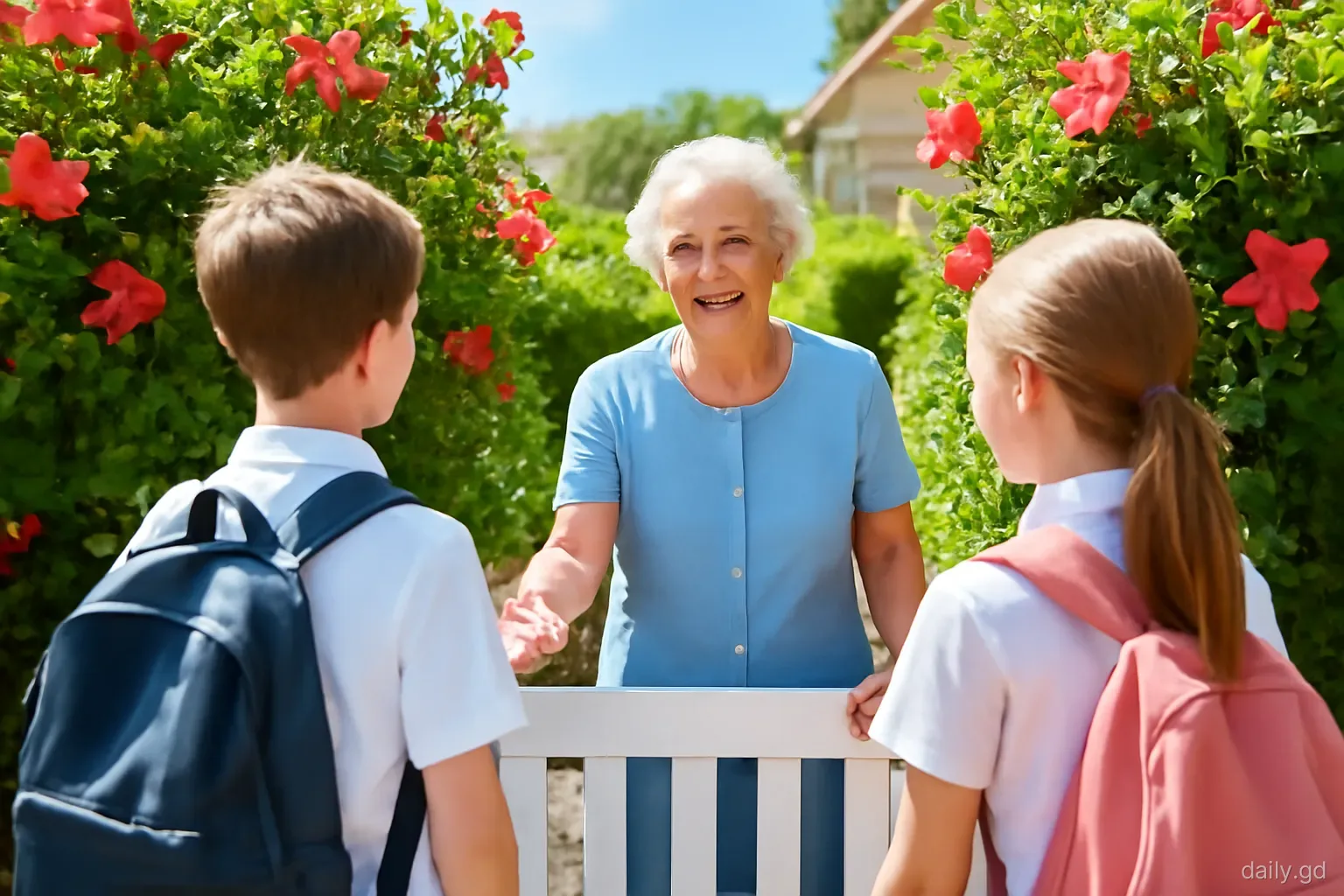
Miss plus first name. Miss Joan, Miss Agnes: a warm, respectful way to address an older woman or any woman you know but are not on first-name terms with, regardless of whether she is married. Children use it for adult neighbours.
Mr plus first name. Mr Raymond, Mr Clive: the male equivalent, common for older men in a neighbourhood or workplace.
Occupation titles. Teacher, Nurse, Pastor, Sister and Doctor often become part of a person's name for life, as in Teacher Brown or Nurse Mitchell, even after retirement.
Tanty. From the French tante, aunt. It is used for real aunts and also for any older woman who plays an aunt-like role in a family or street. Being called Tanty is a sign of affection and standing.
Granny, Grandpa and Uncle. Used for real grandparents and, more loosely, for elderly people in the community. Children may call an unrelated older man Uncle.
Mr and Mrs plus surname. Standard in offices, at church and with officials, and the safe choice when you are unsure.
What strangers, vendors and friends call you
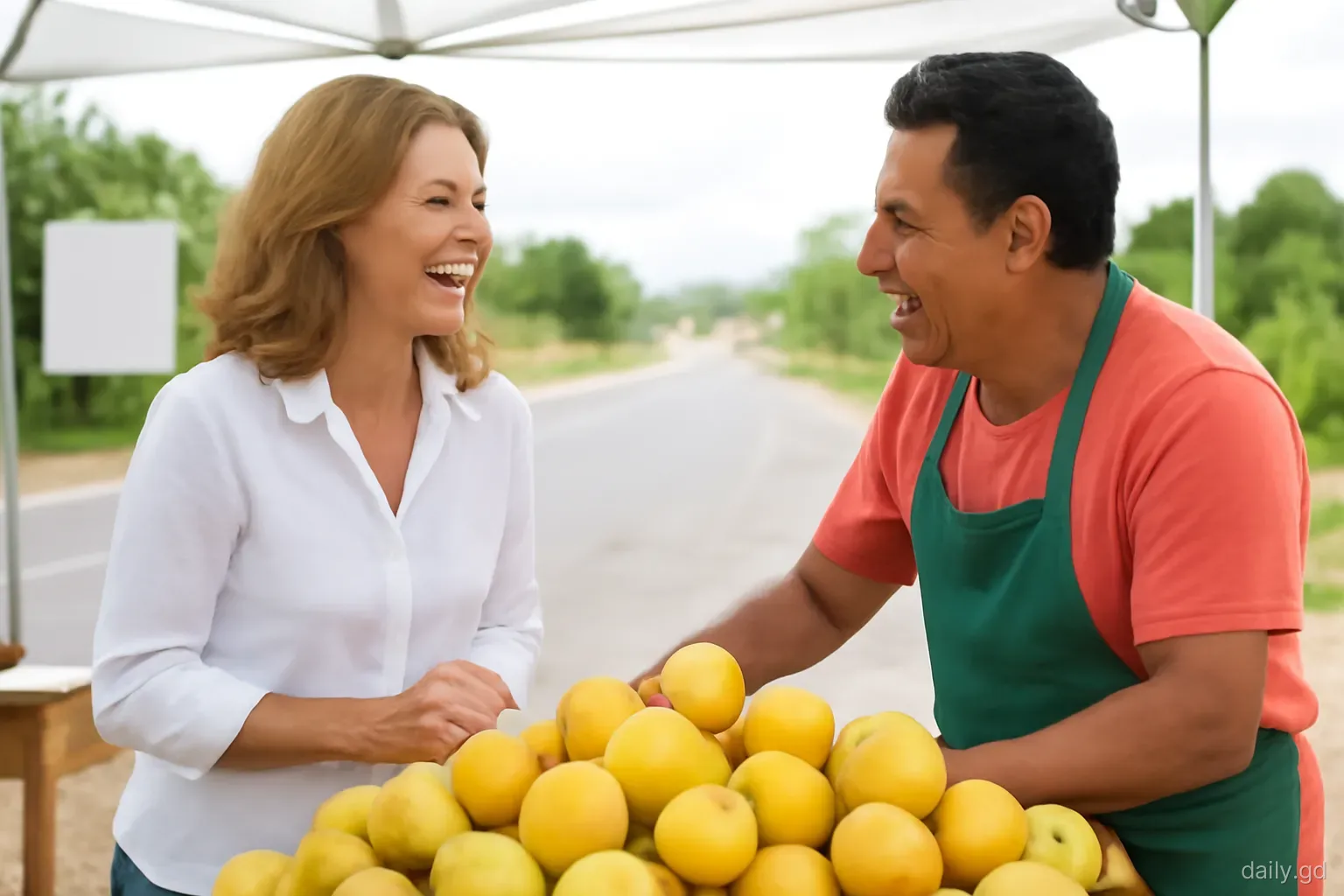
Darling, sweetheart, my dear. Used by market vendors, shop assistants and older women to customers of any age or sex. It is ordinary friendliness, not flirtation.
Boss, chief, big man. Common ways for men to address other men in shops, at petrol stations and on the street, often with a nod.
Family. Can mean actual relatives or, among friends, someone close enough to count as kin. "Wha' happening, family?" is a warm greeting.
Young man, young lady. Polite forms often used by older people to younger ones, and by vendors trying to get attention.
Partner or pardner. A friend or associate. It also connects to the rotating savings scheme known as sou-sou, in which a group of people pay in regularly and take turns receiving the pot.
Family words and the question "who your people?"
In a small country where many families have lived in the same parish for generations, the first question older Grenadians often ask is where you are from and who your people are. For locals it places a person in a web of relatives, villages and reputations. For newcomers, a simple answer about your home country, where you live now and what you do is enough, and conversation usually flows from there.
Cousin is used broadly, for anyone connected by blood or marriage at any distance. An outside child is a child born to one parent outside that parent's marriage or main relationship; the term is matter-of-fact, and outside children often grow up knowing both sides of the family. Godparents carry real responsibility in many families, being expected to help with school costs, celebrations and guidance as the child grows.
Because extended family is so central, funerals, christenings and weddings draw large crowds, and you may find yourself expected to attend for neighbours or colleagues you know only slightly. Knowing who is related to whom helps you understand why.
Slips newcomers make, and what to do instead
Using a call name too soon. Some call names are for friends and family. Use the name someone introduces themselves with until you hear it used freely around you, or ask: "What should ah call you?"
First names for elders. Calling a seventy-year-old neighbour Joan, without the Miss, can sound disrespectful. Add the title until invited not to.
Skipping the greeting. Addressing someone, even correctly, without first saying good morning or good afternoon undoes the effect of the right title.
Taking darling personally. Being called darling at the market is not a liberty and should not be answered coldly.
Commenting on unflattering nicknames. Do not ask why someone is called Fatman or Bones in front of them; the story may be one they do not enjoy.
Getting a nickname yourself. Many long-term residents find they are given one, often based on their nationality, job or a habit. Taking it with good humour is a sign that you belong.
Names at work, at church and in announcements
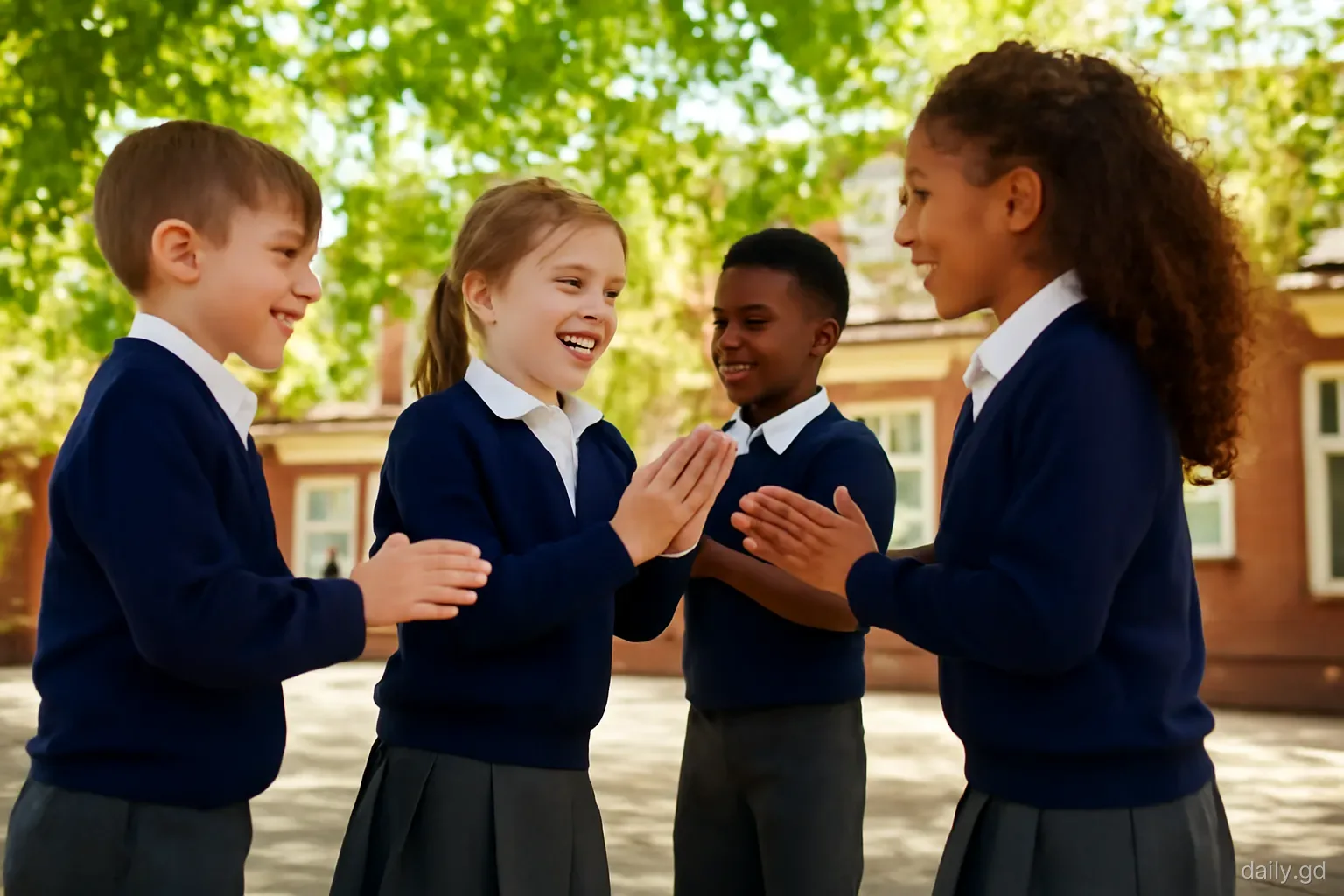
Forms of address shift with setting. In an office or government department, colleagues who use call names at the weekend will often switch to Mr, Mrs or Ms with a surname in front of the public or a senior manager. At church, members may be Brother and Sister, and visiting clergy are addressed by title. In a classroom, children address teachers as Miss or Sir, and a teacher may remain Miss to former pupils for decades.
Radio death announcements, still widely listened to, are where the full system appears in one place. They list the deceased by legal name and call name, then name children, grandchildren, siblings, in-laws, godchildren, friends and neighbours, often by call name too, along with the villages where they live and the countries they have emigrated to. For a newcomer, listening to a few of these is a quick education in how families are linked and how names are used.
Messages and emails follow the formal pattern more than speech does. Opening with a greeting and a title, such as "Good morning Miss Charles", is the safe default with anyone you do not already know well.
Frequently asked questions
Why do Grenadians use nicknames so much?
Call names are part of village life across the Caribbean. In close communities where many people share surnames, they distinguish individuals and carry affection and history. Many people are known by their call name for their whole lives, alongside the legal name used on official documents.
What does Tanty mean in Grenada?
Tanty means aunt, from the French tante. It is used for real aunts and also, respectfully, for older women who act as aunts within a family or neighbourhood. Children and adults alike use it, and it signals warmth and respect.
Is it rude to call an older Grenadian by their first name?
It can be. With older neighbours and colleagues, use Miss or Mr with their first name, or Mr or Mrs with their surname, until they invite you to do otherwise. Many will soon tell you what they prefer.
Why do shop assistants call me darling?
It is everyday friendliness. Vendors and shop staff, particularly older women, often call customers darling, sweetheart or my dear regardless of age or sex. It carries no romantic meaning and a smile in return is the normal response.
What does 'who your people?' mean?
It means who is your family. Older Grenadians use it to place a person within relatives and villages. A newcomer can answer simply with where they come from, where they live now and what brings them to Grenada.