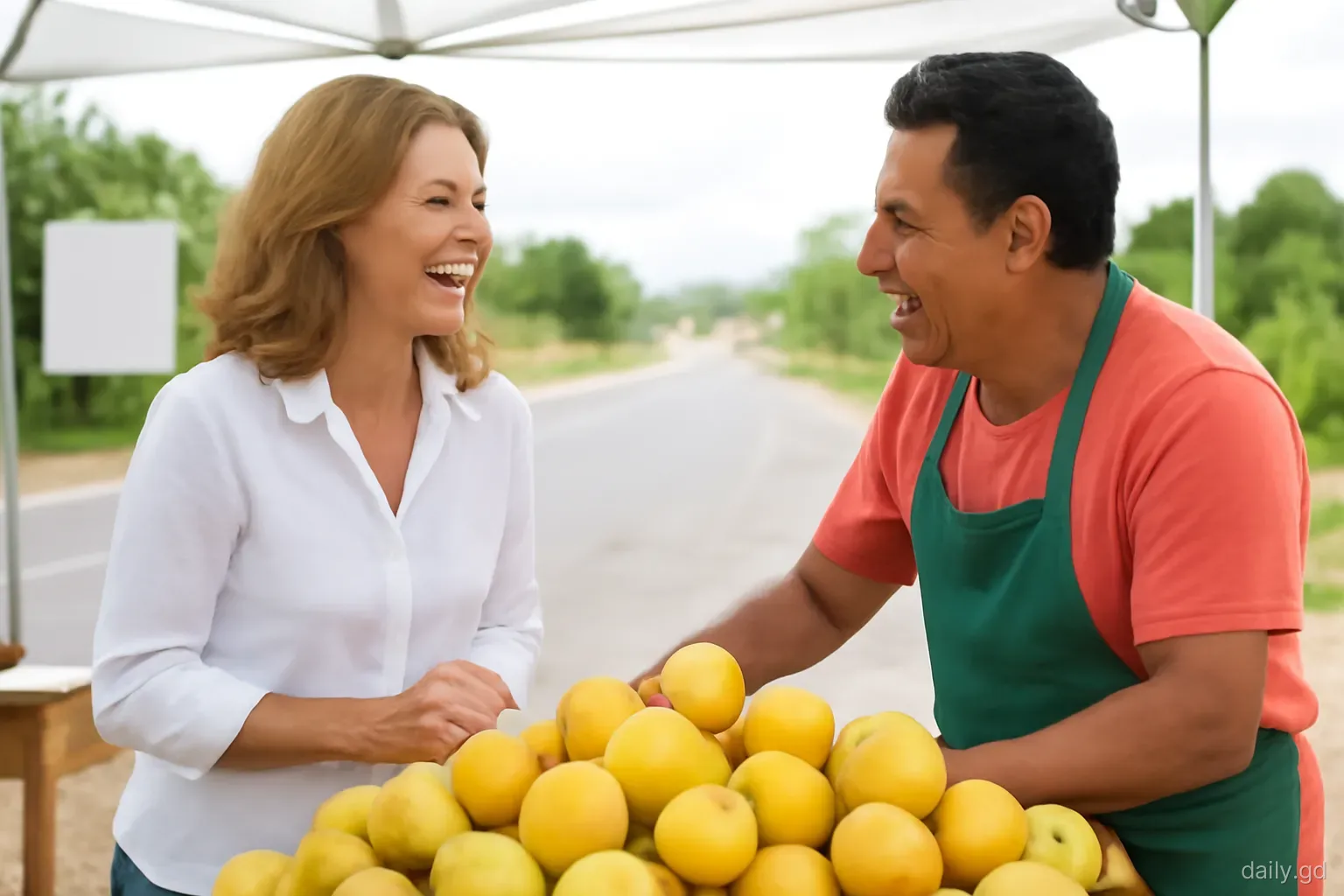

An elderly neighbour says her pressure is up. A colleague is out because he has a fresh cold. A friend's father "have sugar" and has to watch his food. At the pharmacy someone asks for something for gas, and points at his chest. None of these phrases appears in a medical textbook, yet they are how most health conversations in Grenada actually go, at the counter, in the waiting area of a health centre and on the phone between relatives.
For residents, knowing this vocabulary is partly about comprehension and partly about safety. It helps you follow what a nurse or pharmacist is asking, describe your own symptoms in a way that is understood, and recognise when a neighbour's casual phrase actually means they need help. This page explains the common terms, the body words that differ from British or American usage, and the home remedies you will hear about.
Common conditions by their everyday names
Pressure. High blood pressure, sometimes called high pressure. "Her pressure up" means it is high today; "low pressure" is also used. Hypertension is common in Grenada and the wider Caribbean, and people talk about it openly.
Sugar. Diabetes. "He have sugar" or "she sugar high" are normal expressions. Like pressure, it is widespread and frequently discussed, especially around food at family gatherings.
A fresh cold. An ordinary head cold, with a runny nose and sneezing. It is often blamed on getting wet in the rain, a change in the weather or going from sun into a cold air-conditioned room.
Gas. Indigestion or trapped wind, sometimes felt as pain in the chest or back. Because chest pain is blamed on gas so readily, it is worth knowing that heart problems can be dismissed this way.
Feeling poorly or weak. A general description of being unwell, tired or run down, often used by older people who will not name a specific symptom.
Something going round. A virus or fever affecting many people at once. During the rainy season it often means dengue, chikungunya or another mosquito-borne illness.
Body words that cover more than you expect
Some of the most practical differences are in names for parts of the body. In Grenadian usage, as across much of the Caribbean, foot can mean the whole leg from the hip down, and hand can mean the whole arm from the shoulder. "Ah hurt me foot" may describe a knee or a thigh, and "she break she hand" may be a broken forearm. Asking "where exactly?" and letting the person point avoids confusion.
Belly is the everyday word for stomach and abdomen, and "me belly hurting me" is a normal description of stomach pain. The construction "hurting me" appears with any body part: "me head hurting me", "me back hurting me". Side often means the flank or lower ribs, and a pain "in me side" can be anything from a muscle strain to a kidney problem.
When describing your own symptoms to a Grenadian nurse or doctor, Standard English is understood perfectly. The benefit of knowing the local words is in understanding the questions you are asked, and in understanding older relatives, neighbours and colleagues who describe their own health in Creole.
Bush tea and home remedies
Bush. In a health context, bush means medicinal plants and herbs, and bush tea is an infusion of them. Many households keep a few plants in the yard and know which leaf is used for what.
Fever grass. Lemongrass, brewed as a tea for colds and fevers and simply as a pleasant drink.
Soursop leaf. Leaves of the soursop tree, widely brewed as a calming tea, especially at night.
Cerasee. A bitter vine, related to bitter melon, boiled into a very bitter tea that older people value as a cleanse.
A cleanout or purge. A deliberate laxative cleanse, traditionally taken at intervals or before a new school term. Some families still follow the practice.
Bush bath. A bath with herbs steeped in the water, given for illness, tiredness or to shake off bad luck. It has a spiritual side as well as a practical one.
Health centres, the hospital and the pharmacy
Grenada's public health care is organised around district health centres and smaller medical stations in every parish, with the General Hospital in St George's as the main referral hospital, Princess Alice Hospital in St Andrew's and Princess Royal Hospital in Carriacou. Clinics at health centres run on specific days for blood pressure, diabetes, antenatal care and child health, and people refer to them by condition: the pressure clinic, the sugar clinic.
Pharmacists are a first port of call for minor ailments, and many people will describe symptoms at the counter in the same terms used at home. A pharmacist may ask "you have pressure?" before recommending a decongestant, because some cold remedies are unsuitable for people with high blood pressure. That is a sensible question, not small talk.
Clinic schedules, opening days and the range of services at a particular health centre change from time to time, so check locally with the health centre or the Ministry of Health rather than relying on what a neighbour remembers from last year.
Private doctors and specialists practise mainly in and around St George's and Grand Anse, with fewer outside the south. Residents commonly combine the two systems, using a health centre for routine checks and a private doctor or the hospital for anything more complex. Either way, the language at the desk is the same mix of Standard English and Creole described here, and receptionists will happily rephrase a question if you ask.
Bring a list of any medicines you take, by name and dose, to every new appointment; it saves confusion over brand names that differ from those used abroad.
Mistakes to avoid and when to act
Treating gas as harmless. Chest pain, pain down the arm or jaw, shortness of breath or sweating should not be put down to gas. Call 911 or get to the hospital.
Ignoring "her pressure up" in an older person. If it comes with a severe headache, confusion, slurred speech or weakness on one side, treat it as an emergency, not as a routine complaint.
Mixing bush medicine with prescriptions without saying so. Some herbal teas affect blood sugar or blood pressure. Tell the doctor or pharmacist what you are drinking regularly; most are used to the question.
Waiting out a fever in rainy season. A high fever with severe body aches or pain behind the eyes can be dengue. Get it checked, keep drinking fluids and avoid self-medicating with anti-inflammatory painkillers until a doctor has advised.
Misreading foot and hand. When a neighbour says they hurt their foot, ask where before offering advice or deciding it is minor.
Looking out for older neighbours
In Grenadian villages, checking on older neighbours is an ordinary part of daily life, and new residents are often drawn into it without being asked. Someone may mention that the lady next door "not feeling too good" or "not looking sheself", which is a gentle signal that she may need a visit, a lift to the health centre or help collecting medicine from the pharmacy.
Older people often understate how unwell they are, partly from pride and partly from a habit of not wanting to trouble anyone. "Ah dey" or "so-so" in reply to "how you going?" can cover anything from a mild ache to a serious problem. A follow-up question, such as whether they have taken their pressure tablets today or eaten, often tells you more than the first answer.
If you take on this kind of informal care, learn the name of the person's usual health centre and doctor, which relatives to call, and where they keep their medication. In an emergency those three facts save time, and family members abroad will often be grateful to know a neighbour is looking in.
Frequently asked questions
What does 'pressure' mean in Grenada?
Pressure means high blood pressure. People say their pressure is up, high or low, and some clinics are informally called pressure clinics. It is a common condition and openly discussed, so you will hear the word often among older neighbours and colleagues.
What does it mean when someone 'has sugar'?
Having sugar means having diabetes. It is widespread in Grenada, as in much of the Caribbean, and people often manage it through regular clinic visits, medication and diet, which is why food choices at family events may come up in conversation.
Is bush tea safe to drink?
Many bush teas, such as lemongrass, are mild and widely drunk. Others are strong or bitter and can interact with medicines, particularly for blood pressure and diabetes. Ask a doctor or pharmacist before drinking any herb regularly, and avoid unfamiliar plants entirely.
Does 'foot' really mean the whole leg in Grenada?
In everyday speech it often does. A person who says they hurt their foot may mean the knee, shin or thigh, and 'hand' can similarly mean the whole arm. Ask them to show you where it hurts.
What is a 'fresh cold'?
A fresh cold is a common head cold, usually with sneezing and a runny nose. People often link it to getting wet in rain, sudden weather changes or cold air conditioning. It is normally treated with rest, fluids and over-the-counter remedies.