Sooner or later every household needs someone to fix something: a dripping tap, a tripping circuit breaker, an air conditioner that has stopped cooling, a washing machine that will not drain. In Grenada there are no big online directories of rated tradespeople, and most good plumbers, electricians and technicians are busy, self-employed and found by personal recommendation.
This guide explains how residents actually find reliable help, what to agree before work starts, how parts and materials usually work, which jobs need a licensed professional or an inspection, and the misunderstandings that most often sour a job.
How people really find tradespeople
Word of mouth is the main route. Neighbours, colleagues, church members and your landlord will usually have someone they trust, and a recommendation from a person who has used them recently is worth far more than any advertisement. Ask specifically what the job was, whether they turned up when they said, and whether the work held up.
Hardware and building supply stores are another good source. Staff see the same plumbers, electricians and builders at the counter every week and often know who is reliable and who is currently available. Appliance stores can usually put you in touch with technicians who service the brands they sell.
Community and residents' messaging groups and social media pages are increasingly used to ask for recommendations. They are useful for names, but take comments with caution and follow up with a direct conversation. Once you find someone good, keep their details safe and treat them well; reliable tradespeople are a valuable household asset.
Who does what
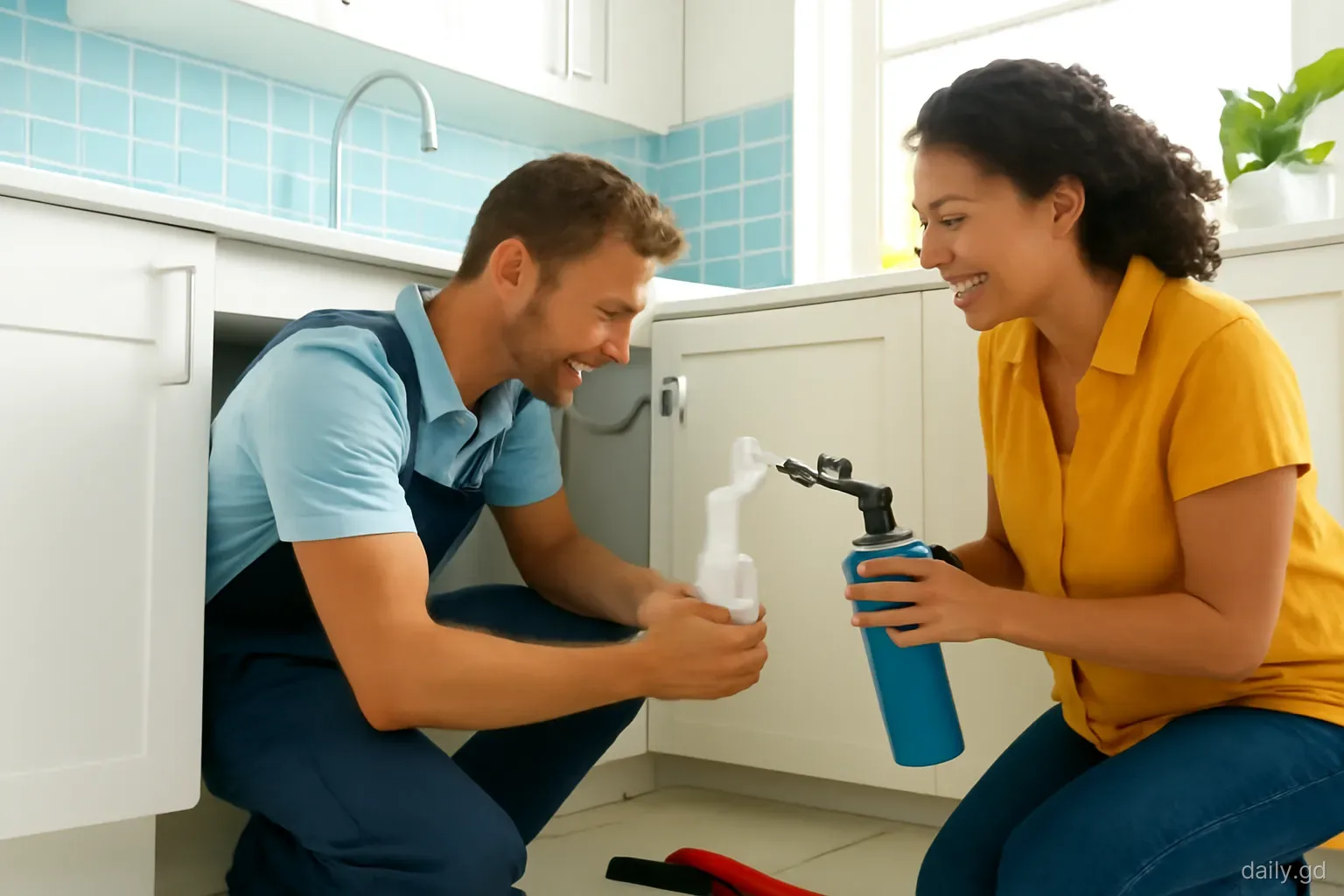
Plumbers. Leaks, taps, toilets, water heaters, pumps and pressure tanks. Many plumbers also deal with tank connections and the pumps that push stored water around the house.
Electricians. Wiring, sockets, breakers, lighting, new circuits and connections for appliances. Work on the house wiring should be done by a qualified electrician.
Air conditioning and refrigeration technicians. Installation, servicing, gas top-ups and repairs of AC units, fridges and freezers. They are some of the busiest tradespeople in the hot months.
Appliance repair technicians. Washing machines, dryers, stoves and smaller appliances. Some specialise in particular brands.
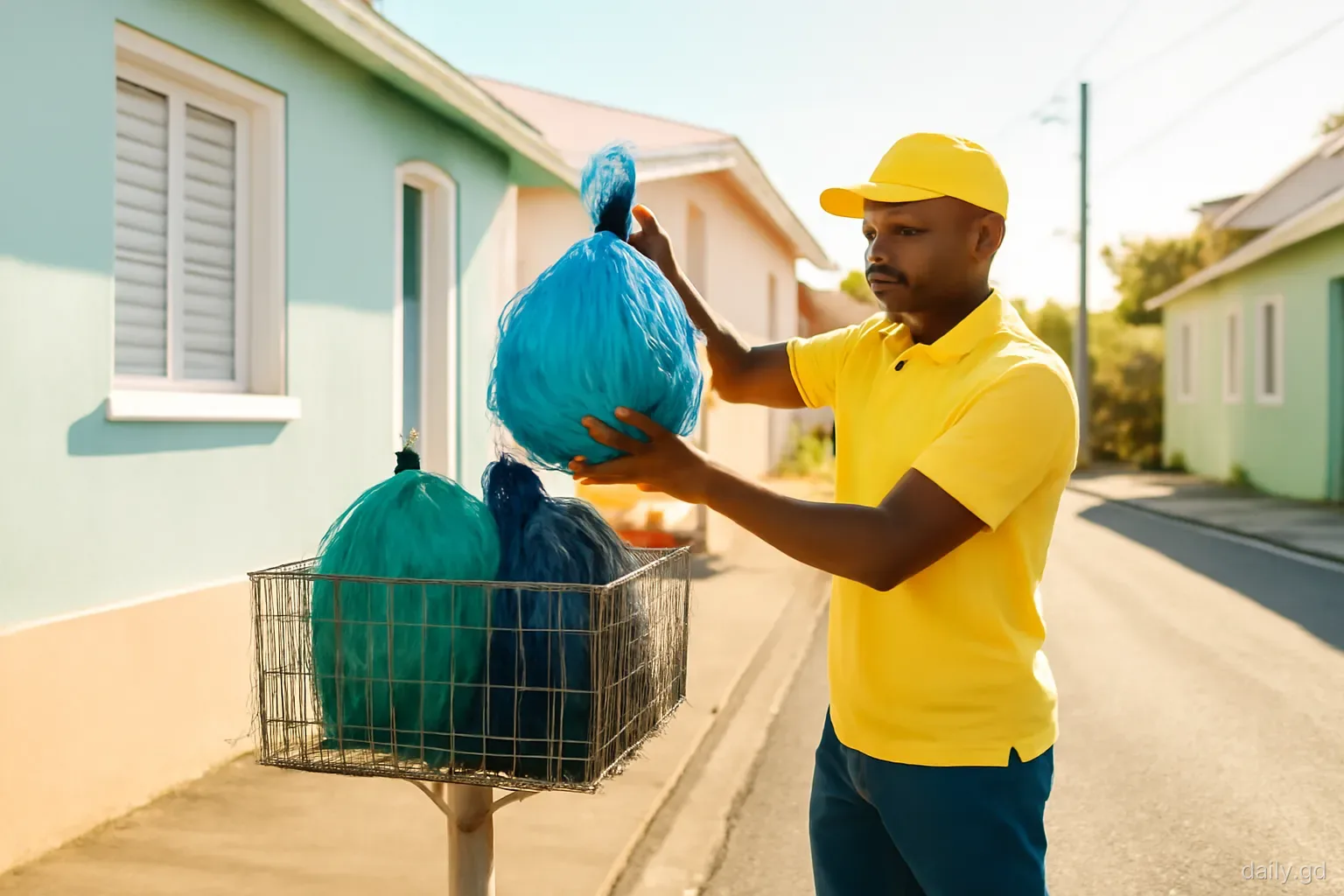
Welders and fabricators. Burglar bars, gates, railings, raised rubbish bins and roof brackets. A common trade in Grenada given how many homes use steel security grilles.
Masons, carpenters and roofers. Concrete, block work, tiling, doors, windows, cupboards and roofing repairs. Often one builder coordinates several trades on bigger jobs.
Electrical work and inspections
Electrical work carries particular rules. New installations, significant rewiring and new connections to the supply are inspected by the government's electrical inspection service before GRENLEC will connect or reconnect the supply. That protects you as much as the utility, because poor wiring is a common cause of house fires.
For this reason, use a qualified, experienced electrician for anything beyond changing a bulb or resetting a breaker, and ask whether the job will need an inspection. A competent electrician will know the process and can arrange it. Be cautious of anyone who suggests skipping it to save time.
If you are buying or renting an older property, it can be worth having an electrician look over the wiring, consumer unit and earthing, particularly if breakers trip often, sockets feel warm or the house has been extended over the years without much paperwork.
Agreeing a job before work starts
Most disputes with tradespeople come from things that were never discussed. A few minutes of clarity at the start prevents most of them.
- Describe the problem clearly and, if possible, show photos or a short video so the tradesperson can bring the right tools and parts.
- Ask for a price or an estimate before work starts, and whether it covers labour only or labour and materials.
- Agree who buys the materials. Often the tradesperson gives you a list and you buy them, or they buy and you reimburse with receipts.
- For larger jobs, agree a deposit, the stages of payment and what counts as finished. Write it down, even in a simple message.
- Confirm when they will start and roughly how long it will take, allowing for parts that may need ordering.
- Check the work before paying the final amount: run the taps, test the sockets, let the AC run for a while.
- Ask for a receipt, especially if the work is under any warranty.
Parts, availability and waiting
Common parts are easy. Standard plumbing fittings, wire, breakers, taps and many appliance parts are stocked by hardware stores in St George's, Grand Anse and Grenville.
Less common parts take time. Parts for unusual appliance brands or specific models may need to be ordered from abroad, which can take weeks. Ask the technician to identify the exact part before you assume a quick fix.
Keep spares of the small things. Washers, a spare tap cartridge, fuses, a spare hose and a few light bulbs save calling someone out for minor issues.
Rainy and hot seasons are busy. AC technicians are in demand in the hottest months, and plumbers and roofers after heavy rain. Book routine servicing in quieter periods.
Imported fittings may not match. Fixtures bought abroad, such as a particular shower valve or tap, may need parts that are not stocked locally. When renovating, choosing fittings sold in Grenada makes future repairs much simpler.
Before anyone arrives: handling an emergency
Know where the stopcock is. Find the main water valve for the house, and the valve on any storage tank, on the day you move in. If a pipe bursts, shutting off the water in the first minute saves floors, furniture and ceilings.
Know the main breaker. Locate the electrical panel and the main switch. If you smell burning, see sparks or water is near the wiring, switch off the main breaker if it is safe to do so.
Turn off the pump. Many homes have an electric pump pushing water from a tank. If there is a leak, switch the pump off as well, or it will keep pushing water out.
Call for help when it is dangerous. For fire, serious electrical hazards or injury, call 911 first and a tradesperson second. Fallen power lines outside the home should be reported to GRENLEC and kept well away from.
Building a relationship with good tradespeople
In a small country, relationships matter more than contracts. A plumber or electrician who knows you, your house and its quirks will often come faster when something goes wrong, give fair prices and tell you honestly when something is not worth repairing. Households that have a short list of trusted people rarely struggle to get help, even in busy periods.
Treat that relationship well. Pay promptly and in the way agreed, offer water on a hot day, be clear about what you want and do not change the job halfway without discussing the cost. Recommend good tradespeople to friends; they rely on word of mouth just as much as you do.
It also helps to keep a simple record of work done on the house: what was repaired or installed, when, by whom and with which parts. Next time something fails, that record saves time and money, and it is valuable if you ever sell or hand the property over.
Common pitfalls
Paying everything upfront. A reasonable deposit for materials is normal on larger jobs; paying the full amount before work begins removes your leverage if the job stalls.
Vague agreements. No agreed price, no agreed finish date and no list of what is included is a recipe for disagreement.
Expecting exact punctuality. Good tradespeople are busy and jobs overrun. Confirm the day before and be flexible, but expect a message if plans change.
Choosing the cheapest for electrical work. Poor wiring is dangerous. Pay for competence.
Not being there. Being present or having someone you trust at home means questions get answered and you see what was done.
Ignoring small leaks and faults. A dripping pipe or a breaker that trips now and then rarely fixes itself. Calling someone early is cheaper than repairing water damage or a burnt-out circuit later.
Frequently asked questions
How do people find a good plumber or electrician in Grenada?
Mostly through recommendations from neighbours, colleagues, landlords and church members, and through staff at hardware and building supply stores. Community messaging groups help too. Ask what work they did, whether they turned up on time and how it held up.
Does electrical work in Grenada need to be inspected?
New installations, major rewiring and new or restored supply connections are inspected by the government electrical inspection service before GRENLEC connects. Use a qualified electrician who knows the process, and check whether your job needs an inspection.
Should the homeowner or the tradesperson buy the materials?
Both arrangements are common. Often the tradesperson gives you a list to buy, or buys the materials and you reimburse them against receipts. Agree which approach you are using, and whether the price quoted includes materials, before work begins.
Is it normal to pay a deposit for home repairs?
For larger jobs, a deposit to cover materials is normal. Avoid paying the full amount upfront. Agree payment stages in writing, and keep the final payment until the work is finished and tested.
Why do some appliance repairs take so long in Grenada?
Many parts, especially for less common brands and models, are imported and may need to be ordered from overseas. Shipping and customs clearance can take weeks. Popular brands with local service agents are usually quicker and cheaper to repair.