Ask ten residents whether they drink the tap water in Grenada and you will get several different answers. Some drink straight from the tap and always have. Some filter everything. Some buy large refillable bottles. All of them can be right, because the water that comes out of a kitchen tap depends on where it came from on its way there: directly from the mains, from a storage tank on the roof, or from a rainwater cistern under the house.
This guide sets out how to think about drinking water in your own home: what the public supply is, when extra care is needed, the practical options for treating or replacing it, and the daily routine many households settle into.
Where the water in your tap comes from
Homes connected to the public supply receive water from NAWASA, the National Water and Sewerage Authority, which draws mainly from rivers and streams in the interior, treats it and distributes it through its network. Water treated and delivered to that standard is generally regarded as safe to drink when it comes straight from the mains.
The complication is that many homes do not drink straight from the mains. To cope with low pressure and supply interruptions, a large number of houses store water in a tank, often a plastic tank on a stand or on the roof, and the household taps draw from there. Others, especially in drier areas and in Carriacou and Petite Martinique, rely partly or wholly on rainwater collected from the roof into a cistern.
Water that sits in a tank or cistern is only as clean as the container, the roof and the gutters it passed through. That is why two houses on the same street can have very different water at the tap.
If you are not sure which system your home uses, follow the pipes. A tank on a stand or roof with a pump nearby, or a cistern hatch in the yard or under the house, tells you the taps are drawing from storage. Landlords and neighbours can usually explain the set-up, and it is worth asking on the day you view a property rather than after you move in.
When to take extra care
After heavy rain. Intense rainfall can make river sources muddy, and treated water may arrive cloudy or brown. Let it clear and avoid drinking discoloured water until it runs clean.
After a supply interruption. When the supply returns after an outage or repair, the first water through the pipes can carry sediment. Run the tap for a while before using it for drinking.
When an advisory is issued. NAWASA and the Ministry of Health issue boil-water notices when there is a problem in a particular area. Follow them until they are lifted.
After a storm. Hurricanes and major storms can damage treatment plants, pipes and cisterns. Treat all water as unsafe for drinking until the authorities say otherwise.
If you drink from a tank or cistern. Assume stored water needs treating unless you know the container is clean, sealed and regularly maintained.
For babies and anyone with weak immunity. Many families boil or use bottled water for infant formula as a precaution.
Your options compared
Boiling. The cheapest and most reliable way to kill germs. Bring water to a rolling boil, let it cool, and store it in clean, covered containers in the fridge. It does not remove sediment or chemical taste, and it costs gas or electricity.
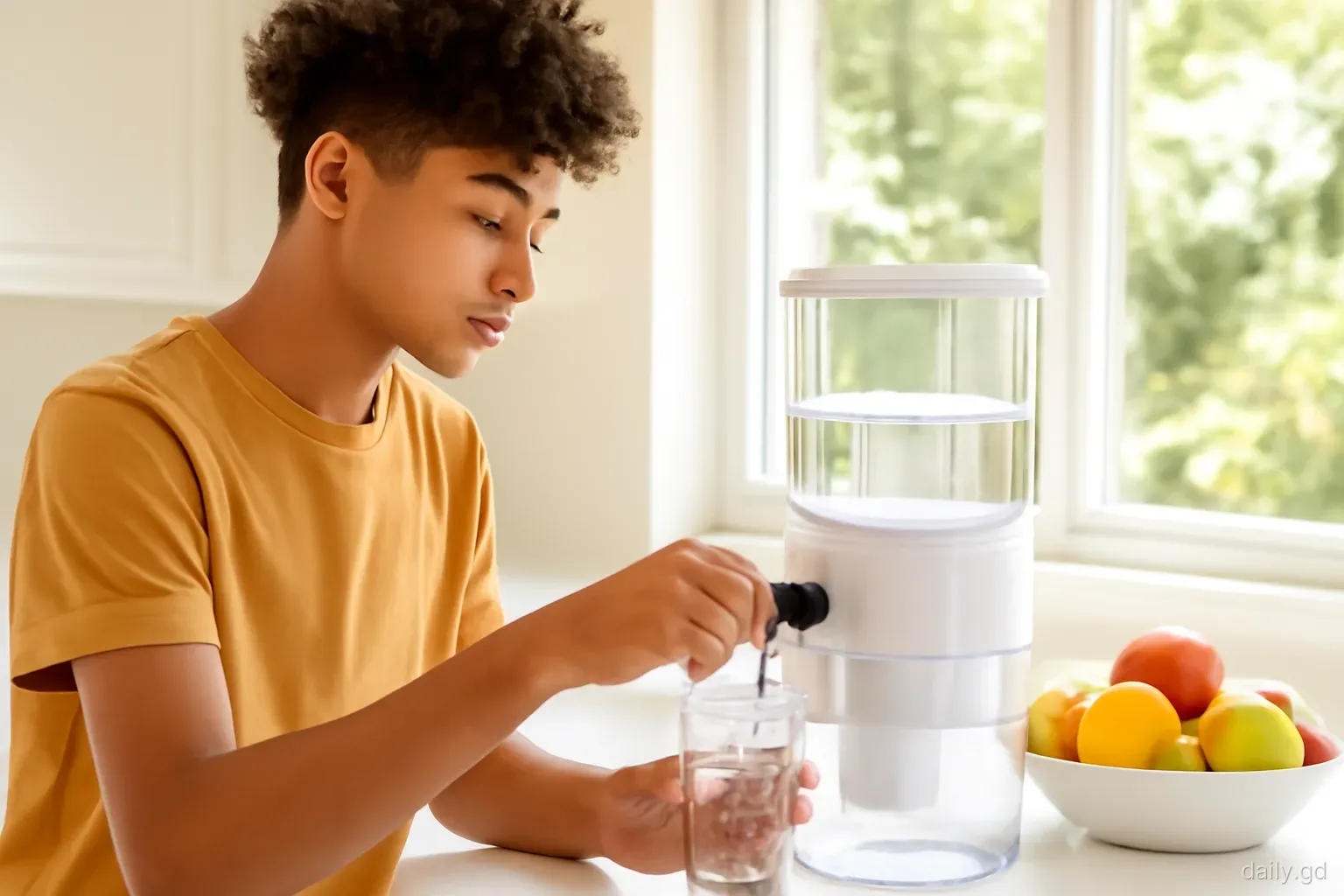
Jug and countertop filters. Widely sold and convenient. Carbon filters improve taste and remove some contaminants, but most do not reliably remove bacteria. Change cartridges on schedule; an old filter can make water worse.
Under-sink and whole-house systems. A sediment filter followed by a carbon stage and, for full protection, an ultraviolet lamp gives clean water at every tap. Installation costs more, and the UV lamp needs electricity, so it does not work during power cuts.
Large refillable bottles. Many homes use five-gallon bottles of drinking water, refilled or exchanged at local water companies and shops, with a dispenser or pump. It is simple and consistent, at a recurring cost.
Small bottled water. Convenient for outings, expensive for daily use, and it creates a lot of plastic waste.
Keeping a storage tank fit for use
If your taps draw from a tank, keeping that tank in good condition matters as much as any filter. Tanks should have a close-fitting lid so that light, leaves, insects and animals cannot get in. Light encourages algae, and an open tank is an invitation to mosquitoes, which breed in standing water and can carry dengue.
Sediment builds up at the bottom over time. Many households have tanks emptied and cleaned periodically, and more often if the water starts to smell or look cloudy. Roof gutters feeding a cistern need clearing before the rainy season so that leaves and droppings are not washed in.
A small dose of household bleach is commonly used to disinfect stored water, but the right quantity depends on the volume and the product. Follow guidance from the Ministry of Health or a water specialist rather than guessing. Water in a recently disinfected tank should be left to stand before use.
Weighing the costs over a year
The cheapest option on day one is rarely the cheapest over a year. Boiling costs almost nothing in equipment but uses gas or electricity every day and needs someone to remember to do it. Jug filters are inexpensive to buy, but replacement cartridges add up, especially for a family drinking several litres a day.
Refillable five-gallon bottles have a steady recurring cost and mean carrying heavy bottles or arranging delivery, but they require no maintenance and work through power cuts. An under-sink or whole-house system has the highest upfront cost and needs periodic cartridge and lamp replacements, yet for a household that would otherwise buy bottled water every week, it can work out cheaper within a year or two.
A sensible approach is to estimate how much drinking water your household uses each week, price the options locally, and then factor in convenience and reliability during outages. Many families end up with a combination: a filter for daily use and a few sealed bottles in reserve.
A sensible daily kitchen routine
Most households end up with a routine like the one below, adjusted to their own water source and budget.
- Drinking water in the fridge: boiled, filtered or bottled water kept in clean, covered jugs or bottles so nobody drinks from the tap without thinking.
- Ice made from the same water: ice from untreated tank water defeats the purpose.
- Brushing teeth: mains water is generally fine; with tank or cistern water, some households use filtered water.
- Washing fruit and salad: rinse with drinking-quality water if your tap water is from storage.
- Cooking: water that is boiled as part of cooking is usually fine from any reasonable source.
- A storm reserve: several days of drinking water in sealed containers through the hurricane season.
Mistakes to avoid
Trusting a neighbour's answer. Their water may come from a different source or tank. Judge your own system.
Forgetting filter cartridges. A neglected filter is a breeding ground. Mark the change date on the housing.
Leaving tanks uncovered. Mosquitoes and debris get in quickly. Seal tanks and screen overflows.
Drinking cloudy water after rain. Let it settle and clear, or use your stored drinking water until it does.
Reusing bottles indefinitely. Thin single-use plastic bottles crack and harbour bacteria when refilled repeatedly. Use proper reusable bottles and wash them regularly.
Assuming a filter makes stored water safe. Most simple jug filters improve taste but do not reliably remove germs. For tank or cistern water, boil or use a system with a disinfection stage.
Frequently asked questions
Is tap water safe to drink in Grenada?
Water treated by NAWASA and delivered straight from the mains is generally regarded as safe. The caution applies to water stored in tanks or cisterns, water that is cloudy after heavy rain, and areas under a boil-water notice. Judge your own home's source rather than relying on a general answer.
Do people in Grenada buy bottled drinking water?
Many households use large refillable five-gallon bottles from local water suppliers, particularly where taps draw from storage tanks. Others filter or boil. Small bottles are common for outings but expensive and wasteful for everyday drinking at home.
Should rainwater from a cistern be treated before drinking?
Yes, unless the system has proper filtration and disinfection. Rainwater collects dust, leaves and droppings from the roof and gutters, and stored water can grow bacteria. Boiling, or a filter system with UV treatment, makes it safe to drink.
What does a boil-water advisory mean?
It means the authorities have identified a possible problem with water quality in an area. Bring water for drinking, brushing teeth and preparing food to a rolling boil before use, or use bottled water, until the advisory is lifted by NAWASA or the Ministry of Health.
Why is the tap water brown after it rains?
Heavy rain makes river sources muddy, and sediment can reach the supply. Pipe repairs and the return of supply after an outage can also stir up sediment. Let the tap run until it clears and use stored drinking water in the meantime.