Most Grenadian homes cook with liquefied petroleum gas from a cylinder, not mains gas or electric hobs. The cylinder usually sits outside the kitchen or in a cupboard below the counter, connected to the stove by a regulator and a length of hose, and sooner or later it runs out in the middle of cooking Sunday lunch.
Managing gas is one of those household routines everybody local knows and nobody explains to newcomers. This guide covers how the system works, choosing between cylinder sizes, where people exchange and refill, how to tell when the gas is running low, basic safety, and what to do with cylinders when a storm is coming.
How the system works in a typical home
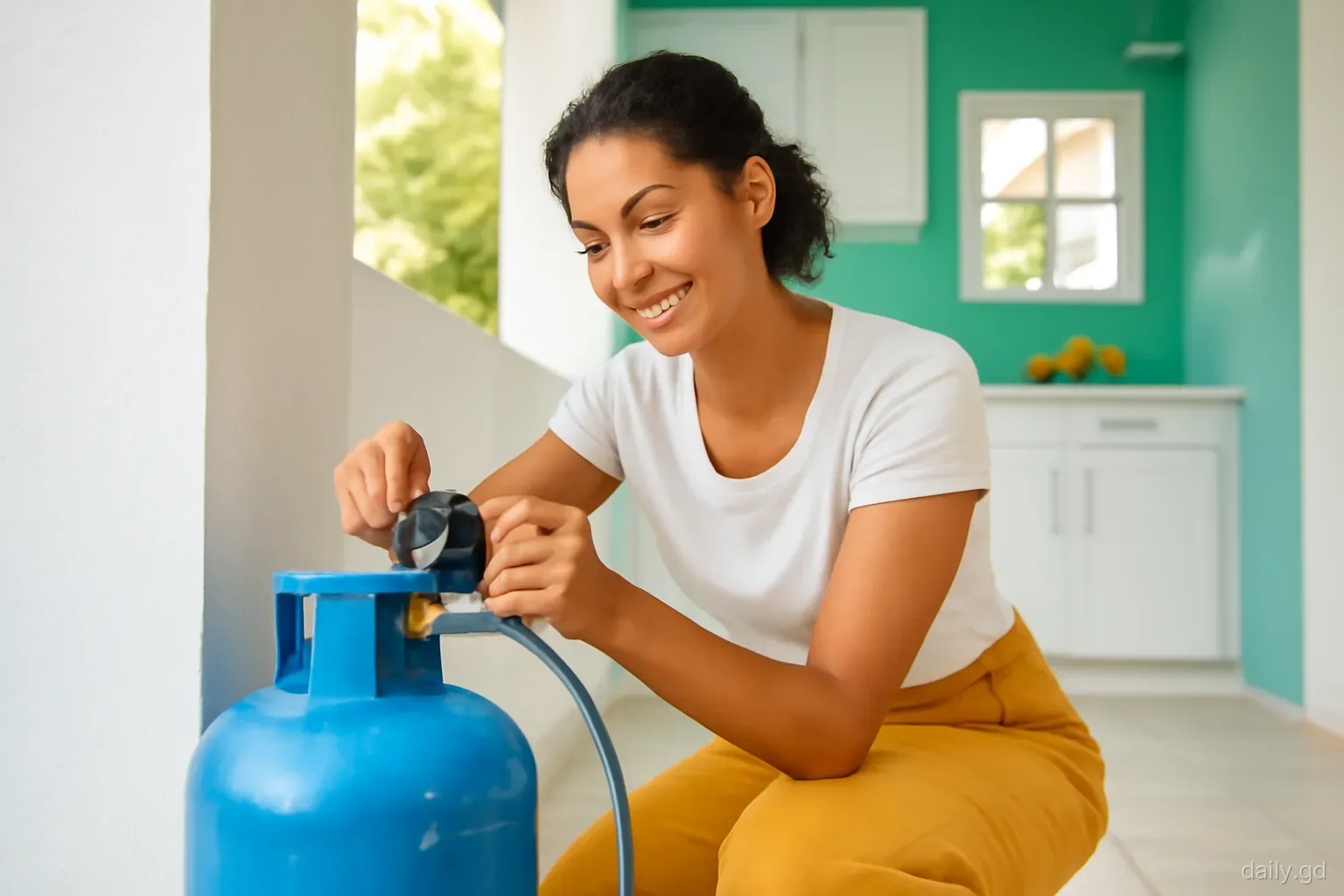
A standard gas stove in Grenada runs on LPG supplied in steel cylinders. The cylinder connects to a regulator, which reduces the pressure, and a flexible hose takes the gas to the stove. Many homes also run a gas water heater or a gas dryer, though electric and solar water heating are more common.
The most common household size is the small cylinder, typically sold as a 20 lb or 25 lb cylinder, which is portable and easy to exchange. Larger households, guest houses and homes with several gas appliances often use 100 lb cylinders, which last much longer but are too heavy to move easily and are generally delivered.
Gas prices in Grenada are regulated nationally and adjusted from time to time, so the cost of a refill changes with world fuel prices. Check the current price when you exchange rather than relying on what a neighbour paid last year.
Cylinders themselves are built to last for years but not forever. Outlets inspect them when they are refilled and take badly rusted or damaged ones out of circulation, which is one reason the cylinder you receive in exchange is rarely the one you handed over. If you are given a cylinder with a dented body, a bent collar or a valve that looks corroded, ask for another one.
Getting gas for the first time
Buying the cylinder. If you do not already have one, the first purchase usually includes the cylinder itself as well as the gas, which costs considerably more than a refill. Some rentals come with a cylinder; check the inventory when you move in.
Where to buy and exchange. Small cylinders are exchanged at many service stations, some supermarkets and hardware stores, and at gas company depots. You hand over an empty cylinder and pay for a full one.
Delivery. Distributors in many areas deliver, particularly the larger cylinders, and some small shops will arrange delivery for regular customers. Ask neighbours who they use.
Check the regulator and hose. When you take over a home, look at the regulator and hose. Hoses perish in heat and sunlight and should be replaced if cracked, hard or more than a few years old. Regulators are inexpensive to replace and are sold at hardware stores.
Match the fittings. Make sure the regulator fits the cylinder valve type you buy. If in doubt, take the old regulator with you to the store.
Knowing when it is running low, and keeping a spare
Gas has a habit of running out at the worst moment. Experienced households stay ahead of it with a few simple habits.
- Keep two cylinders. The most useful single habit. When one runs out, switch to the spare and exchange the empty within the next few days.
- Lift or rock the cylinder. With practice, the weight tells you roughly how much is left. A full small cylinder is noticeably heavier than one near the end.
- Watch the flame. A weak, yellow or flickering flame on full can mean the cylinder is nearly empty, although it can also signal a regulator problem.
- Note the date. Write down when you connect a new cylinder. After a couple of cycles you will know how long one lasts in your household.
- Avoid running out before holidays. Exchange outlets can be closed or busy around public holidays and Carnival, and demand rises at Christmas.
- Store the spare upright. Keep full and empty cylinders upright, outside or in a ventilated space, never lying down.
Safety in the kitchen
LPG is heavier than air, so a leak sinks and collects at floor level rather than rising. That is why cylinders are best kept outside or in a ventilated space, and never in a closed cupboard or basement without airflow. The gas has an added smell, often compared to rotten eggs or cabbage, so you notice a leak.
To check a connection, brush a little soapy water over the joints of the regulator and hose with the cylinder valve open. Bubbles mean a leak; turn the valve off and tighten or replace the part. Never test with a flame.
If you smell gas, turn off the cylinder valve if it is safe to reach, open doors and windows, do not switch lights or appliances on or off, do not light anything, and leave the house until the smell clears. If the leak continues or the smell is strong, call 911 from outside. Turn the cylinder valve off at night and when you leave the house for long periods, a habit many Grenadian families keep as a matter of course.
Gas, electric or both?
Some newer apartments and holiday rentals come with electric or induction hobs instead of gas. Electric cooking avoids handling cylinders, but because electricity in Grenada is relatively expensive and outages happen, many residents keep at least a small gas burner as well. A two-burner tabletop gas stove connected to a small cylinder is a common backup in electric kitchens, especially through the hurricane season.
The reverse also applies. Households that cook on gas often add a microwave, an electric kettle or a rice cooker for convenience, and some use an electric oven for baking because small gas ovens heat unevenly. The mix that works best depends on how you cook and how much you value cooking during a power cut.
Outdoor cooking is part of Grenadian life too. Coal pots fuelled with charcoal are still used for certain dishes and at family gatherings, and gas or charcoal barbecues appear at weekends. Keep all of them outdoors and well away from anything that can catch fire.
Gas in the hurricane season
Stock up before the season. From June, keep a full spare cylinder. After a storm, supply chains and roads can be disrupted, and a gas stove is often the only way to cook when electricity is out for days.
Secure cylinders before a storm. Turn off the valve, disconnect if advised, and secure cylinders upright in a sheltered spot where they cannot be thrown about by wind or swept away by water.
Check after the storm. Before reconnecting, inspect the cylinder, regulator and hose for damage, and do the soapy water test. Damaged equipment should be replaced, not repaired.
Cook safely without power. Never use a gas stove or barbecue for heating a closed room, and never run a generator indoors. Ventilation matters even more when windows are shuttered.
Mistakes people make
Only having one cylinder. Running out mid-meal is annoying; running out after a hurricane is a serious problem. A spare costs little compared with the trouble it saves.
Keeping the cylinder in a closed cupboard. Ventilation is essential because leaking gas collects low down.
Ignoring an old hose. Hoses perish quietly in the heat. Replace them before they crack.
Laying cylinders on their side. Transport and store them upright. On a bus or in a car, secure them so they cannot roll.
Using a damaged regulator. A regulator that has been dropped, rusted by salt air or flooded in a storm may leak or deliver the wrong pressure. They are cheap; replace rather than gamble.
Letting children near the valve. Keep cylinders where small children cannot reach or play with them, and teach older children how to turn the valve off.
Frequently asked questions
What size gas cylinder do most Grenadian homes use?
Most households use the small cylinder, commonly sold as 20 lb or 25 lb, which is easy to carry and exchange. Larger families, guest houses and homes with several gas appliances often use 100 lb cylinders, which last longer and are usually delivered.
Where can a gas cylinder be refilled in Grenada?
Small cylinders are exchanged at many service stations, some supermarkets and hardware stores, and gas company depots. Distributors in many areas deliver, especially larger cylinders. Neighbours are the best guide to the nearest and most reliable outlet.
How long does a small gas cylinder last?
It depends on how much you cook and whether other appliances run on gas. A couple cooking daily might get several weeks; a large family cooking big meals much less. Note the date you connect each cylinder to learn your own pattern.
What should be done if the house smells of gas?
Turn off the cylinder valve if it is safe, open doors and windows, avoid switching anything electrical on or off, do not light anything, and leave the house. If the smell persists, call 911 from outside and have the equipment checked.
Is cooking gas price-controlled in Grenada?
Fuel prices, including LPG, are regulated and adjusted periodically by the government in line with world prices. The price of a refill therefore changes from time to time, so check the current rate when you exchange a cylinder.