Around half past seven on a school morning, route buses across Grenada fill with uniforms. Secondary students, and many older primary children, travel to school by the same minibuses that carry adults to work, often on their own, sometimes across several parishes. For many families the school run is not a drive at all but a matter of getting a child safely to the roadside at the right time.
For parents new to Grenada, or whose child is about to start secondary school, this raises practical questions: how far will a child travel each day, at what age can they ride alone, and what can be done to make the journey safer? This guide sets out how school transport works in practice and what families typically arrange.
How children actually get to school
Primary children usually attend a school within their community, and many walk, often with older siblings or neighbours, or are dropped off by a parent on the way to work. Distances are short and the walk is part of village life.
Secondary school is different. Students are placed in secondary schools after the Caribbean Primary Exit Assessment, taken at the end of primary school, and placement takes into account results and preferences as well as where a family lives. Popular schools in St George's and Grenville draw students from a wide area, so a twelve-year-old may find themselves travelling a considerable distance every day.
There is no comprehensive public school bus network covering the whole island. Some schools and communities have had dedicated buses at different times, but most secondary students rely on the ordinary route bus system. Families with cars often combine the school run with their own commute, and many others make private arrangements with a bus driver, described below.
The school day starts early by many international standards, with most schools beginning around eight, and the afternoon finish falls just before the evening commuter peak. In practice that means children travel in the busiest part of the morning and share the late afternoon roads with workers heading home, which shapes everything else in this guide.
Families moving to Grenada from abroad, and those who choose private or church-run schools, may find the school is some distance from home and away from a direct bus route. It is worth asking about transport before accepting a place, because a school that is ideal on paper can mean two buses each way for a young child.
Teaching a child to ride alone
Most Grenadian children learn to use route buses gradually, travelling with a parent or older sibling before going solo. A deliberate approach builds confidence on both sides.
- Ride the full route together several times, at the times your child will travel, so they see how busy it gets.
- Point out landmarks near the stop where they need to get off, and practise calling the stop clearly to the conductor.
- Teach them to check the zone number and ask the destination before boarding, rather than jumping on the first bus.
- Make sure they always carry the exact fare plus a little extra in case of a change of plan.
- Agree what to do if the bus is full, if they miss their stop, or if a bus does not come, including which adult to call.
- Let them do the trip alone while you follow on a later bus or meet them at the other end, before full independence.
- Keep reviewing it: as they get older, routes, friends and after-school activities change.
The regular school driver arrangement
How it works. Many families pay a particular bus or taxi driver a weekly or monthly fee to collect their child at a set time each morning and bring them home after school. The driver often carries several children from the same area to the same school or nearby schools.
Why parents like it. The child travels with a known adult, at a predictable time, often with friends. The driver knows the family and will usually wait a moment or call if the child is not at the stop.
What to agree. Pick-up and drop-off times, what happens on half-days, examination days and when school closes early for weather, the fee and when it is paid, and who to contact if the driver cannot come.
Checking the driver. Ask other parents about their experience, and make sure the vehicle is properly licensed and insured as a public service vehicle. Notice how the driver drives with children on board.
Safety concerns parents raise
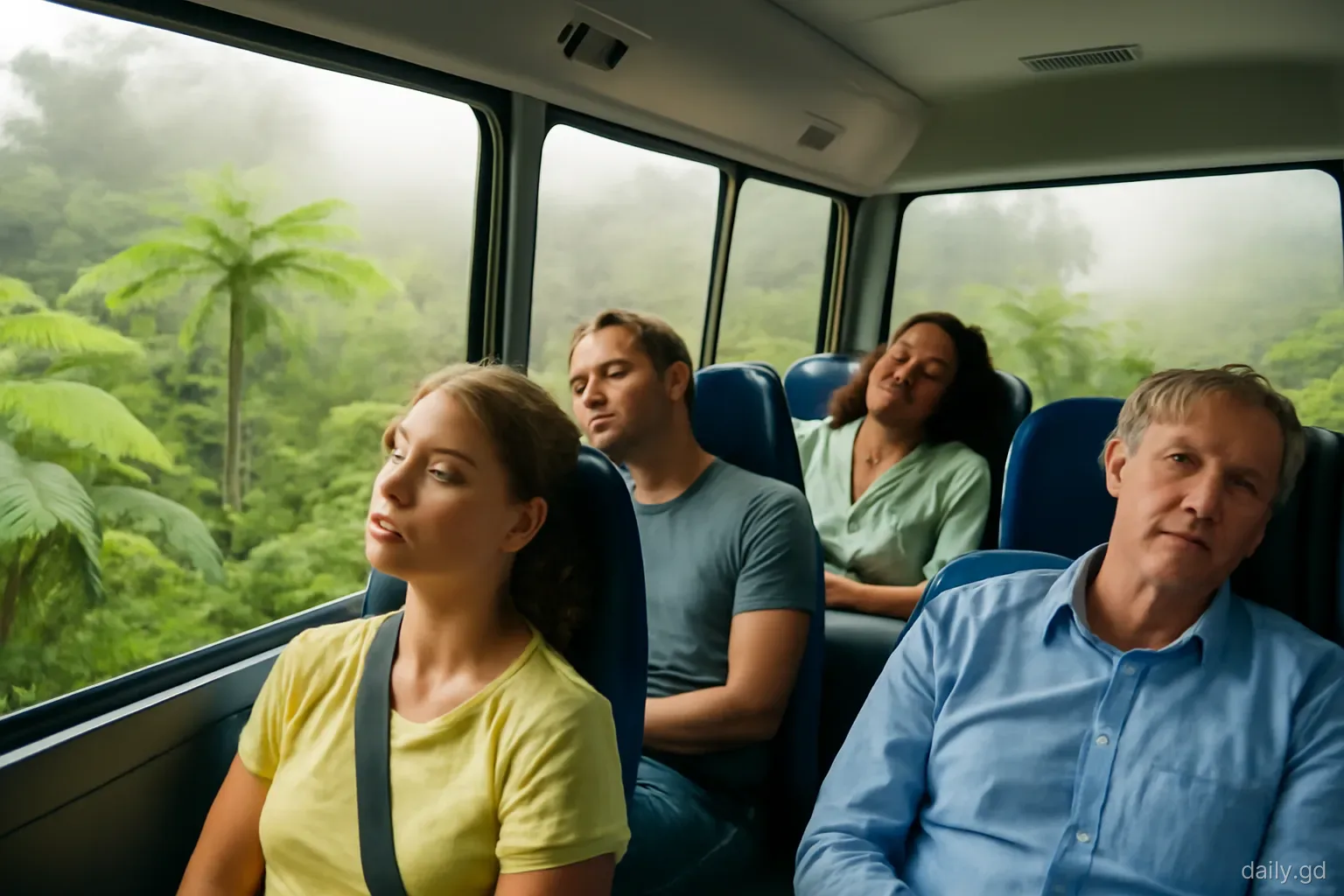
The most common worries are crowding, speeding and loud music. Route buses are run as businesses and the morning peak is when they are fullest, so children may be squeezed in or have to stand. Encourage your child to wait for the next bus rather than squash into one that is dangerously full, and to sit away from the door where possible.
Speed and overtaking on narrow roads are long-running public concerns, and the authorities periodically run campaigns on public service vehicle conduct. Teach children that it is acceptable to ask the driver to slow down, or to get off and take another bus, and that they should tell you about anything that frightens them.
Parents of teenage girls in particular sometimes worry about unwanted comments from adults on buses or at stops. Travelling in groups, using a regular driver and making sure your child knows they can report behaviour without being blamed are all practical responses. Schools and the police take complaints about the conduct of drivers and conductors seriously.
Finally, think about the walk at each end. Many children are hurt not on the bus but crossing the road after getting off, stepping out from behind the stopped vehicle into passing traffic. Teach them to wait until the bus has pulled away and they can see both directions clearly, and to watch for the open drains along the roadside.
Rain, early closures and after-school activities
Plans that work on a normal day need a backup for the days that are not normal. These are the situations that catch families out.
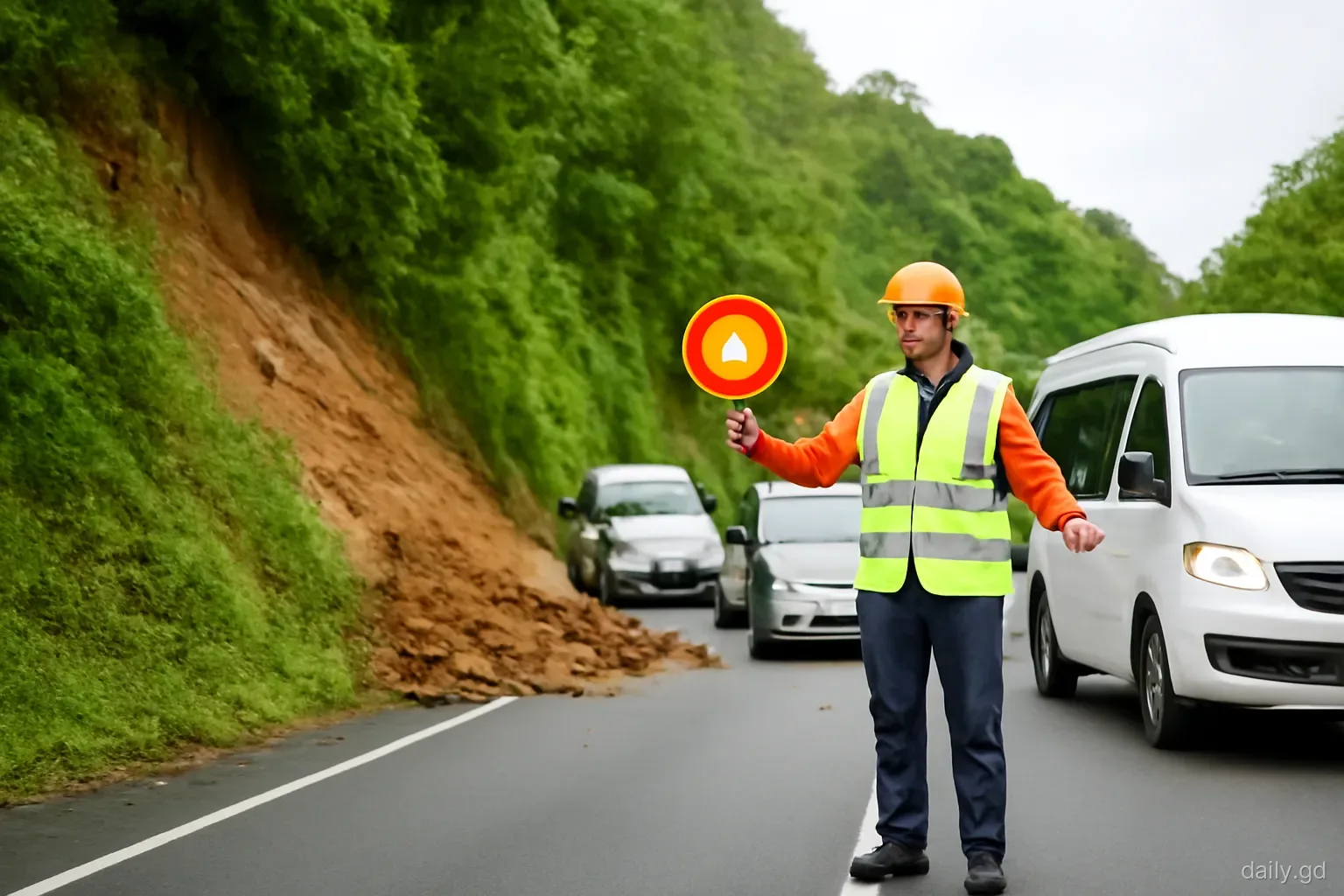
- Heavy rain: children are often kept at school until a downpour passes, and buses run slowly. Make sure your child knows to wait rather than walk through flooded roads.
- Early closure for weather: schools sometimes close early ahead of severe weather. Agree a plan in advance for who collects your child or which bus they take.
- After-school activities: sport, lessons and clubs finish when buses are thinning out. A regular lift with another parent is often the answer.
- Examination periods: exam timetables change daily routines, sometimes with very early starts.
- The first week of term: buses are especially crowded and new students are uncertain, so travel with them if you can.
Mistakes parents make
Assuming the child knows the route. Even confident children can be confused by a branch of the same zone going somewhere else. Practise before term starts.
Sending large notes. Conductors may not have change in the morning, which leads to awkward situations. Give coins and small notes.
No phone plan. If your child has a phone, make sure it has credit and battery. If not, make sure they know a number by heart and an adult at school they can ask.
Not involving the school. Teachers and principals know which drivers serve the school and what other families do. Ask them.
Leaving the plan unspoken. Children need to know exactly what to do when things go wrong: which bus to take if the regular driver does not come, where to wait, and who they may accept a lift from. Write nothing down that they could lose; rehearse it instead.
Forgetting the afternoon. Parents plan the morning carefully and leave the return to chance. Afternoon buses are crowded with students from several schools at once, so the trip home can take longer and needs the same thought.
Frequently asked questions
Is there a school bus service in Grenada?
There is no island-wide public school bus network. Most secondary students travel on ordinary route buses, while some families pay a regular driver to carry their children each day. Ask the school what transport other families from your area use.
At what age do children ride the bus alone in Grenada?
Many children start travelling alone or with friends when they begin secondary school, around eleven or twelve, after practising with an adult. It depends on the child, the route and the distance, so build up gradually rather than going by age alone.
Do children pay a lower bus fare?
Practice varies and is not something to assume. Some drivers charge schoolchildren less informally, but fares are set by the authorities. Ask drivers on your child's route what they charge students, and make sure your child carries enough to pay the normal fare.
How do parents find a reliable driver for the school run?
Most find one through other parents, neighbours or the school. Choose a driver whose vehicle is properly licensed as a public service vehicle, agree times and fees clearly, and talk to families already using them before committing.
What should a child do if the bus is too full?
Wait for the next one. Explain that a few minutes late is better than being crushed in a dangerously full bus. Let the school know if overcrowding on a particular route makes your child regularly late, as schools often hear the same concern from others.