In most Grenadian villages, there is at least one elderly person living alone in the family house: children overseas or in town, a neighbour bringing food once in a while, a nephew who calls in on Sundays. During an ordinary week, this works. When a storm approaches, it is these older residents who are most likely to stay in a weak house, run out of medicines, or be found days later without water or power.
A storm plan for an elderly relative or neighbour does not need to be complicated, but it does need to be made before the season, written down and shared with everyone involved. This piece covers what that plan should include, the extra challenges for people with limited mobility or health conditions, and how family abroad can help effectively from a distance.
Why older residents face more risk
Elderly people are more vulnerable in storms for practical reasons. Many live in older timber or mixed houses built before stronger building practices became common, and some have roofs that were patched rather than replaced after Ivan in 2004. Mobility problems make it hard to go to a shelter or a relative's house, especially at short notice. Health conditions such as diabetes, high blood pressure and heart disease, which are common among older Grenadians, require daily medicines that may run out if pharmacies close.
There is also the question of attitude. Older people who have lived through many storms sometimes refuse to leave their homes, saying they have survived before. Some are reluctant to be a burden on family. Others are anxious and confused by conflicting information. Any plan has to respect their wishes and independence, while making sure that someone is responsible for checking that they are safe before, during and after a storm.
Building the plan, step by step
Sit down with the person, and with family members who will be involved, in May or early June. Write the plan down and keep a copy in their home, with each family member and with a neighbour.
- Decide where they will shelter for a hurricane warning: at home if the house is strong, with a named relative or neighbour, or at a public shelter. Include a back-up option.
- Name who will check on them and when: when a watch is issued, when a warning is issued, and as soon as it is safe after the storm.
- Arrange transport in advance, including help with wheelchairs, walkers or getting in and out of vehicles.
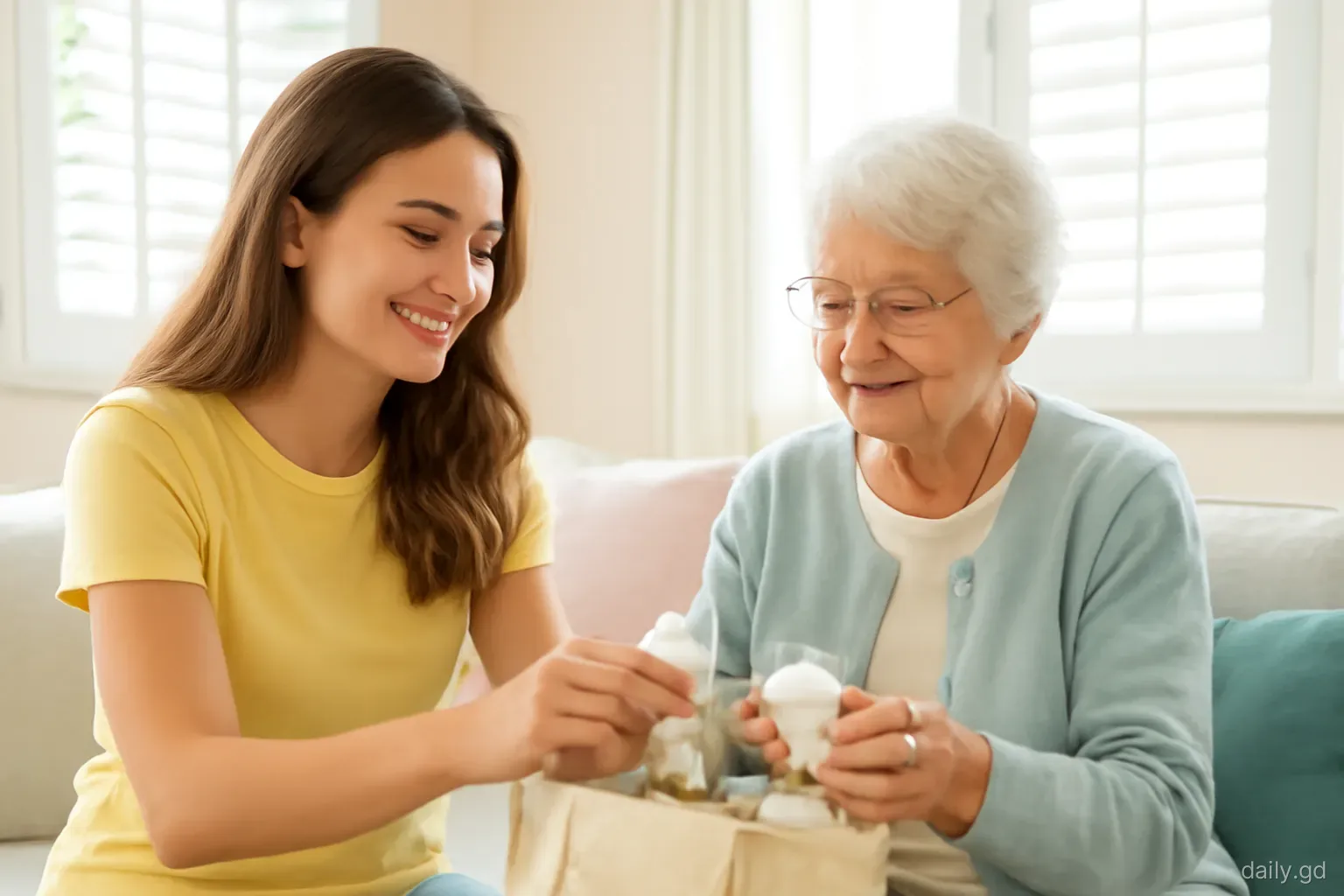
- List medicines, doses, doctors and medical conditions, and arrange a reserve supply of at least two weeks.
- Prepare the house: shutters or boards ready, loose items secured, and a strong interior room identified.
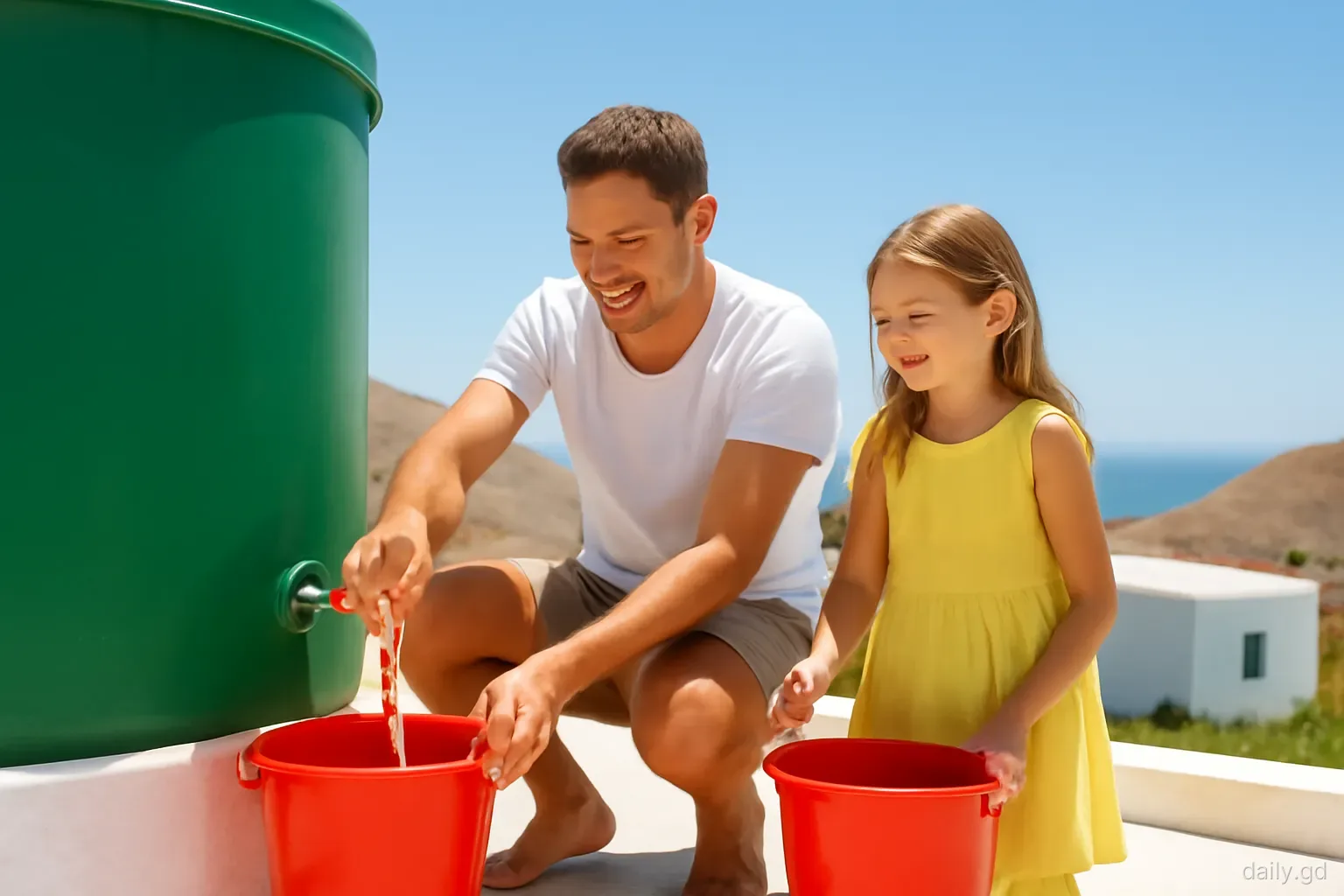
- Make sure they have water, food that needs no cooking, a torch, a radio, and a charged phone or a simple battery phone.
- Agree how family overseas will be updated and who makes decisions if the person cannot.
Health and mobility needs to plan for
Medicines that need refrigeration. Insulin and some other medicines need to be kept cool. Plan for a cool box and ice, and know which nearby homes or facilities may have generators.
Oxygen and powered equipment. Anyone using oxygen concentrators, powered beds or other equipment needs a plan for power cuts, which can last days or weeks after a major storm. Speak to their doctor and the supplier well before the season.
Dialysis and regular treatment. People who need regular hospital treatment should ask their care team how storms affect appointments and what to do if they cannot travel.
Hearing, sight and memory. Make sure warnings reach them in a way they understand, by phone, in person or by radio at a volume they can hear. For people with memory problems, a family member should hold copies of all documents and medicine lists.
Wheelchairs and walkers. Clear paths in the house and to the vehicle, and check that the place they will shelter can accommodate their equipment.
When family is abroad
Many elderly Grenadians have children and grandchildren in the United States, Canada, the United Kingdom or Trinidad. Diaspora family can play a big role in storm preparation, but distance changes what is useful. Sending money early in the season for shutters, a water tank or a stock of medicines does more than sending money after a storm, when shops may be closed and supplies scarce. Arranging and paying a trusted local person to check on the house and the person is often the most valuable help.
Family abroad should hold copies of important documents and the medicine list, and know the names of neighbours and local contacts. During a storm, phone networks often fail, so agree in advance that no news is not necessarily bad news, and that someone local will make contact as soon as possible. After Hurricane Beryl, many families overseas waited days to hear from relatives in Carriacou and Petite Martinique. Some communities set up lists of residents and their overseas contacts, an idea worth copying in any village.
The role of neighbours and community
In much of rural Grenada, neighbours are the first responders. A few simple arrangements make that informal help more reliable.
- Make a short list of elderly and vulnerable people on your street or in your village, with their consent, and share it among neighbours who are willing to help.
- Pair each person with at least two neighbours, so that someone is available even if one is away.
- Agree simple signals, such as a cloth on the gate, to show that someone in the house needs help after a storm.
- Tell your district disaster committee about people who will need special help with evacuation or shelter. Committees often keep lists for exactly this purpose.
- Churches and community groups can coordinate visits before and after storms. Many already do this informally.
- After a storm, check on vulnerable neighbours before clearing your own yard. A visit, some water and a working phone can make a huge difference.
Common mistakes to avoid
Leaving the plan until a storm is forecast. Arranging medicines, transport and shelter places takes time. In the final day before a storm, everyone is busy with their own preparations.
Forgetting the person's own wishes. Plans imposed without discussion often fail when the person refuses to leave. Involve them from the start.
Relying on one helper. If the only person checking on a grandparent is also responsible for their own children and home, help may not arrive. Spread the responsibility.
Not checking the house itself. A strong plan for the person means little if their roof is unsound. Get the house inspected and repaired before the season if possible.
Moving someone too late. Transferring an elderly person with limited mobility in rising wind and rain is risky for everyone involved. If they are going to move, move them early, in daylight.
Forgetting the days after. The storm night is only the beginning. Heat, lack of water, power cuts and disrupted food supplies in the following days often cause more harm to older people than the storm itself.
The days after the storm
For elderly residents, the most dangerous period is often not the storm itself but the week after. Power cuts mean no fans, no refrigeration and no electric pumps; water supply may be disrupted; roads may be blocked; and the people who usually check in may be dealing with damage to their own homes. Heat and dehydration, missed medicines and falls while trying to clear debris are common problems. Plans should include who visits each day after the storm, and who brings water, food and medicines.
Watch for signs of distress or confusion, which may indicate dehydration or a health problem. Make sure the person has a way to call for help, even if mobile networks are patchy; a neighbour within shouting distance can matter more than a phone. If their house is badly damaged, help them document it with photographs and register for any assistance offered through NaDMA, the ministry responsible for social development, or relief organisations such as the Grenada Red Cross. Older people are often reluctant to ask, so family and neighbours may need to make the first approach.
Frequently asked questions
Should an elderly person living alone go to a shelter during a hurricane?
It depends on the strength of their house and their health. Many are safer with relatives in a strong house than in a crowded shelter. Decide in advance with the person and their family, and arrange transport early if they will move.
How can family overseas help before a storm?
Send money early for preparations, arrange a trusted local person to check on the house and person, keep copies of documents and medicine lists, and agree how communication will work if phone networks go down.
What if an elderly relative refuses to leave home?
Respect their decision where possible, but make the home as safe as you can: shutters, a strong interior room, water, food, medicines and a radio. Arrange for someone to check on them as soon as conditions allow.
Do district disaster committees help vulnerable people?
Yes. District committees, coordinated by NaDMA, work on shelter, transport and welfare in their area. Let them know about residents with mobility or health needs so they can be included in planning.
How long should medicine reserves last?
Aim for at least two weeks, more on Carriacou and Petite Martinique where resupply may take longer. Talk to the person's doctor and pharmacist early in the season about building a reserve over several refills.