
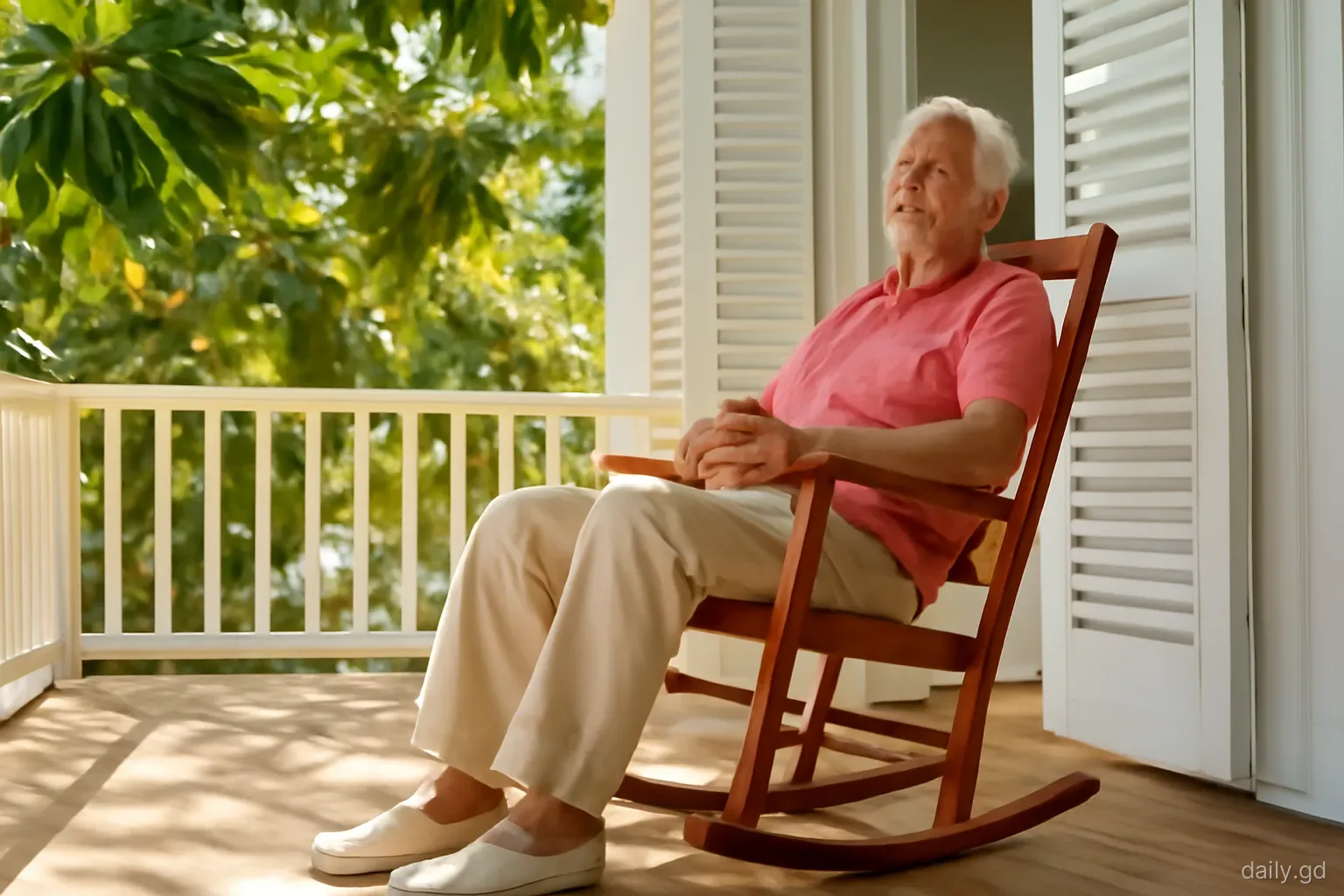
Visitors often expect Grenada's hottest weather in the dry season, but residents know that the most uncomfortable stretch usually comes later. From about August into October, the trade winds slacken, humidity stays high, and nights barely cool down. A concrete house that felt fine in February can become a slow oven by four in the afternoon, and the electricity bill climbs as every fan and air conditioner in the house runs harder.
Keeping a home liveable through these months is less about a single big purchase and more about using shade, airflow and timing well. This piece covers what works in typical Grenadian houses, from hillside block homes in St George's to wooden houses in the countryside, and how to keep cool without paying more than you need to.
Why late summer feels hotter
Grenada's temperature does not swing much across the year. What changes is the wind and the moisture. In the dry season the north-east trades blow steadily and the air is drier, so sweat evaporates and shade feels cool. As hurricane season builds, the trades weaken and become gusty or calm between tropical waves, and humidity rises. With little breeze and moist air, the body struggles to shed heat even at temperatures that would be pleasant in March.
Houses add to the problem. Concrete roofs and walls soak up sun all day and release it at night, which is why upstairs bedrooms under a flat concrete roof can be several degrees hotter than the yard at midnight. Galvanised roofs heat fast but cool fast. Rooms facing west take the strongest afternoon sun. Knowing which rooms in your house hold heat helps you decide where to sleep, where to work and where cooling money is best spent.
Shade and the building itself
Block the sun before it hits the wall. Awnings, deep eaves, bamboo blinds and climbing plants on trellises stop heat before it enters. Shading a west-facing wall makes a noticeable difference to the room behind it by early evening.
Paint the roof a light colour. A reflective or white roof coating on concrete or galvanise can cut how much heat the roof absorbs. Hardware stores in Grenada sell coatings made for this; check the product is suited to your roof type.
Use shade trees thoughtfully. A tree on the west or south side of a house is natural air conditioning. But trees too close to the roof become a hazard in hurricane season, so balance shade against storm risk and keep branches trimmed back from the eaves.
Keep louvres working. Traditional glass or wooden louvres let air through even when it rains. Clean and lubricate the mechanisms so they open fully. Rusted louvres stuck half-closed are common in older homes.
Insulate where you can. If you are renovating, insulation under a concrete roof or above a ceiling makes upstairs rooms far more comfortable. It is rarely fitted in older houses but is increasingly offered by builders.
Fans, air conditioning and the bill
Ceiling fans are the workhorse of Grenadian homes, and they are cheap to run compared with air conditioning. A fan does not lower the temperature of the room; it cools you by moving air over your skin. That means fans should be switched off when nobody is in the room. Set ceiling fans to blow downwards in hot weather, and position pedestal fans to pull cooler air in from a shaded window and push hot air out of another.
Air conditioning is the most effective cooling but also the main reason bills jump between August and October. Electricity in Grenada is supplied by GRENLEC and is expensive by international standards, with a fuel charge that moves with oil prices. Practical ways to keep costs down include cooling one bedroom rather than the whole house, setting units around 25 or 26 degrees Celsius rather than 18, closing doors and windows of the cooled room, cleaning filters monthly, and using a timer so the unit runs only for the hottest part of the night. Inverter units use noticeably less power than older fixed-speed models.
A daily routine for the hottest weeks
Small changes in timing make a real difference over a day. This is the pattern many households settle into.
- Early morning: open the house wide to let the cooler night air flush out the heat stored in walls and furniture.
- By mid-morning: close windows and blinds on the sunny side, and keep louvres open on the shaded side to let breeze through.
- Midday to mid-afternoon: run heavy chores such as washing, ironing and baking early or late, not in the heat of the day. Cook outdoors or on the stovetop rather than in the oven where possible.
- Late afternoon: when the sun moves off the west wall, reopen windows to catch any evening breeze.
- Evening: cool showers before bed, light cotton bedding, and a fan near the bed. If you use air conditioning, close the bedroom early so it cools efficiently.
- Overnight: keep a glass of water by the bed. Dehydration builds up during hot, humid nights.
People and pets who need extra care
Heat affects some people far more than others. In the hottest weeks, check in on those at higher risk.
- Elderly relatives and neighbours, especially those living alone in concrete houses. Make sure they are drinking regularly and have a working fan.
- Babies and young children, who overheat quickly in closed rooms and cars.
- People with heart, kidney or blood pressure conditions, who may be on medication that affects how the body handles heat. A doctor can advise.
- Outdoor workers, from construction labourers to farmers. Start early, rest in shade at midday and drink water steadily.
- Dogs and other animals left tied or penned in the sun. Shade and fresh water are essential, and walks should be early or late.
Common mistakes to avoid
Cooling an empty house. Air conditioners left running in unoccupied rooms waste power. Use timers or switch them off.
Closing up the house all day and night. If the house never airs out, heat accumulates in the walls and every night gets hotter. Open up when the air outside is cooler than inside.
Ignoring maintenance. Dusty fan blades, clogged air conditioner filters and blocked outdoor units all reduce cooling. Clean them at the start of the hot season.
Planting the wrong trees too close. Large trees beside the house give shade but may damage the roof in a storm. Prune before hurricane season peaks.
Forgetting the water tank. Black plastic tanks in full sun deliver hot water from the cold tap by afternoon. Shading the tank or painting it a lighter colour, where the manufacturer allows, keeps showers cooler and slows algae growth.
Relying on cold drinks alone. Iced soft drinks and alcohol feel cooling but do little for hydration. Plain water, coconut water and diluted juices are better through long hot days.
Sleeping well on still, humid nights
Poor sleep is the real cost of the hot months for many households. A room that holds the day's heat makes it hard to drop off, and waking at three in the morning in a sweat is common in September. The most effective fixes are simple: sleep in the coolest room of the house, which is often downstairs or on the shaded side; put a fan where it blows directly across the bed; and use thin cotton sheets rather than synthetic fabrics, which trap heat against the skin.
A cool shower just before bed lowers body temperature for long enough to fall asleep. Some people freeze a bottle of water and place it in front of a fan for a stronger cooling breeze. If you use mosquito nets, choose a fine mesh that still lets air through, and run the fan outside the net. Dark rooms help too; blackout curtains on west and south windows keep afternoon sun from heating bedrooms long before you go to bed. For children who share rooms, staggered bedtimes in the coolest room can keep the whole household rested.
Frequently asked questions
Which months are the hottest in Grenada?
Temperatures change little through the year, but many residents find August, September and October the most uncomfortable because the trade winds weaken and humidity is high. The dry season from January to April is usually breezier and more comfortable, even with strong sun.
Is it worth installing air conditioning in a rented home?
Many landlords allow a split unit if you agree terms in writing, including who pays for installation and who owns it at the end. For short leases, a good set of fans and one portable unit for the bedroom may make more sense.
Do ceiling fans use much electricity?
No. A ceiling fan uses only a small fraction of the power of an air conditioner. They are the most cost-effective cooling in a Grenadian home, provided they are turned off when nobody is in the room.
How do you cool an upstairs room under a concrete roof?
Reflective roof coating, ceiling insulation, a ceiling fan and good cross-ventilation together make the biggest difference. Shading the roof itself is rarely practical, but reducing absorbed heat at the surface is very effective.
Is heat a concern during long power cuts?
Long outages in hot weather are uncomfortable and can be risky for vulnerable people. Keep a battery-powered fan, plenty of water and a cool, shaded room in mind. Rechargeable fans are widely sold in Grenada for exactly this reason.