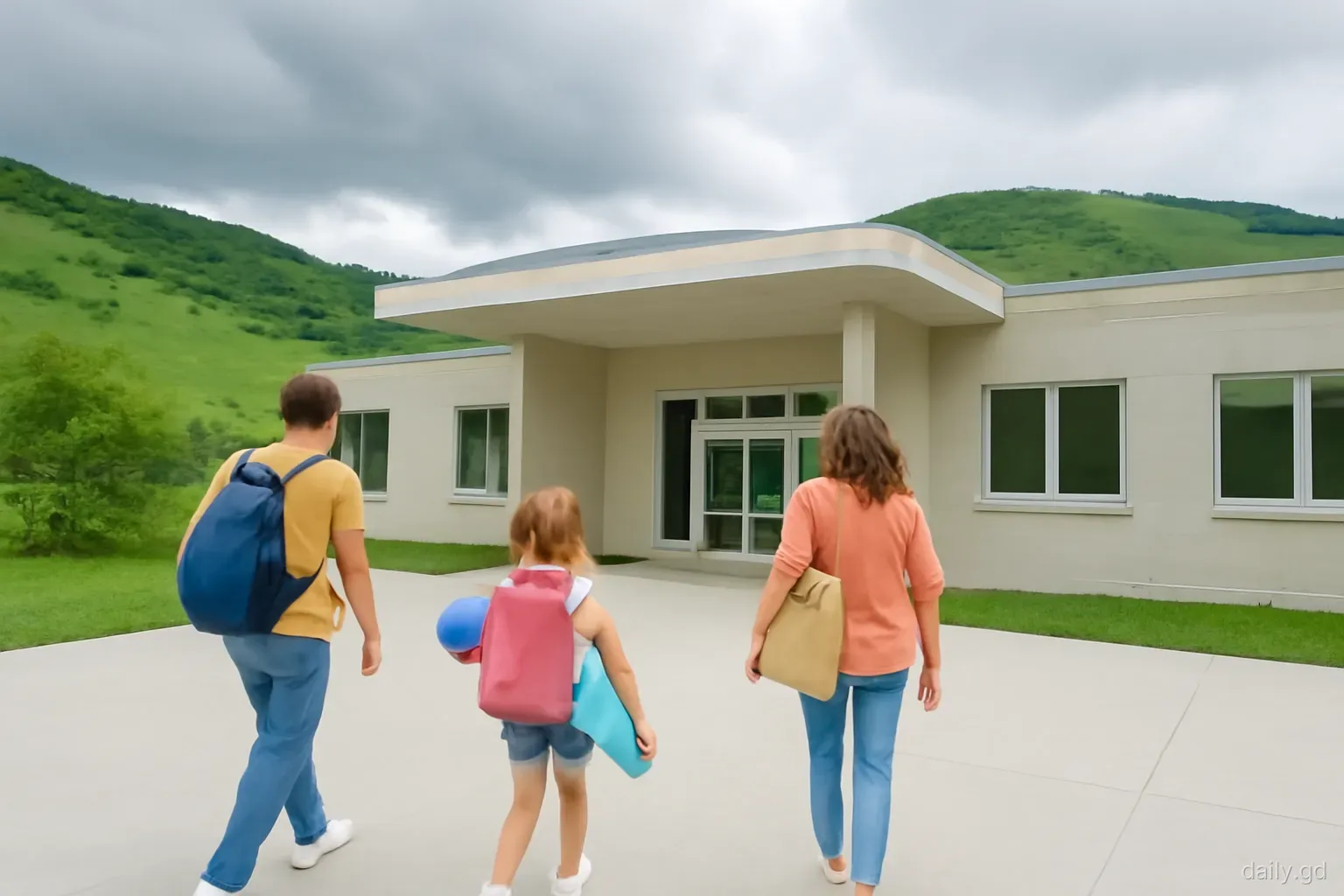
Every June, Grenada's National Disaster Management Agency, NaDMA, publishes a list of buildings designated as emergency shelters for the coming hurricane season. Most are schools, churches and community centres that have been inspected and found strong enough to hold people safely through a storm. During Hurricane Beryl in July 2024, around three thousand people were reported in shelters across Grenada, Carriacou and Petite Martinique, many of them for the first time.
For most households a shelter is the fallback, not the plan. NaDMA's own advice is to stay at home if the house is structurally sound, then to go to family or friends with a stronger building, and only then to use a public shelter. But knowing how shelters work, and what to bring, matters for anyone who lives in a wooden house, near the sea, on a steep slope, or with relatives who cannot manage alone.
How buildings become shelters
NaDMA carries out an annual round of inspections, usually early in the year, looking at roofs, windows, doors, toilets, water storage and access. Buildings that pass are recommended to Cabinet, and the approved list is published by 1 June. The list changes from year to year: a school that served in 2023 may have lost its roof, or be under repair, or a new community centre may have been added. Do not assume the building used last time is still on the list.
On the ground, shelters are run through the district disaster committees, which operate in seventeen districts drawn along constituency lines, including Carriacou and Petite Martinique. Each has a district coordinator and volunteers who look after shelters, health, transport and supplies. When a storm approaches, NaDMA announces which shelters are open. Not every designated building opens for every storm; it depends on the forecast and which communities are most exposed.
Who should seriously consider a shelter
People in wooden or older houses. Light timber structures and houses with roofs that were not built to resist uplift are the most likely to lose sheeting in strong winds. After Ivan in 2004, many of the worst losses were houses of this type.
Households near the shoreline. Storm surge and high waves can flood low-lying coastal roads and homes, especially in bays exposed to the south and west when a system passes close by.
Homes on steep or unstable ground. Heavy rain from a slow-moving storm can trigger landslides, particularly in areas where slopes have been cut for roads or house sites, and in parishes with deep clay soils.
Anyone without a support network. Elderly people living alone, newcomers without family on island, and people with disabilities who cannot easily evacuate later should identify a shelter and a way to reach it before the season starts.
What to bring
Shelters provide a roof, toilets and a supervised space. They do not provide beds, and supplies can be limited, especially if the storm lasts longer than expected or roads are blocked afterwards. Bring enough to look after yourself for at least two or three days.
- A foam mat, folding cot or thick blanket to sleep on, plus a pillow and a light sheet.
- Drinking water for each person, ideally around a gallon per day, and ready-to-eat food that needs no cooking.
- Your grab bag with identification, cash and important papers in a waterproof pouch.
- All medicines for at least a week, with a written list of doses.
- A torch, spare batteries, a power bank and a small battery radio.
- Toiletries, a towel, a change of clothes and sturdy shoes.
- For babies and young children: nappies, formula, wipes and a quiet toy or book.
- Something to pass the hours: cards, dominoes, a book. Storms often keep people indoors for twelve hours or more.
What life inside is like
A shelter on a storm night is crowded, warm and noisy. Families claim a corner of a classroom or church hall, the power usually goes off at some point, and the wind can be loud against shutters and roofs. A shelter manager, usually a trained volunteer from the district committee, is in charge, and their instructions are not optional: where people sleep, where food is stored, when doors stay shut. Alcohol, weapons and smoking are not allowed, and most shelters keep a register of who arrives and leaves.
Toilets get heavy use and water may be rationed. People who bring their own water, food and bedding have a much easier night, and those who bring a little extra to share help the whole room. Children usually adapt faster than adults. Elderly residents may find the floor hard and the noise distressing, which is one reason to arrive early and claim a quieter spot near a wall.
When and how to go
Timing is the most common problem. Moving people in the last hours before a storm, in rising wind and rain, is dangerous for everyone, including the volunteers who come to help.
- In early June, find the current shelter list for your district through NaDMA announcements, the Government Information Service or local radio, and identify the nearest building on it.
- Agree within the family who would go, how, and what would trigger the decision, such as a hurricane warning for your area.
- When a hurricane watch is issued, pack the shelter bag and make transport arrangements; route buses may stop early, so ask a neighbour with a car in advance.
- When NaDMA announces which shelters are open, go during daylight and before conditions worsen. Secure the house and turn off gas cylinders before leaving.
- Register with the shelter manager on arrival, and tell them about any medical needs.
- Stay until officials say it is safe to leave. The calm of the eye of a storm is not the end; the second half of the wind comes back from the opposite direction.
Common mistakes and what to check
Turning up after dark in the storm. This is the most dangerous point to travel. If you think you might go, go early, even if it turns out the storm weakens.
Assuming pets are welcome. Shelter rules on animals vary and many public shelters cannot take them. Check with your district committee and make a separate plan for pets.
Arriving with nothing. A shelter is a safe structure, not a hotel. People who bring no food, water or bedding put pressure on supplies meant for those who genuinely could not.
Ignoring the list update. Damage from earlier storms, repairs and renovation change which buildings are approved. Check every year.
Leaving the house unsecured. Close shutters, switch off the main power if flooding is possible, and turn off gas at the cylinder. A secured house is far more likely to be habitable when you return.
Leaving the shelter and going home
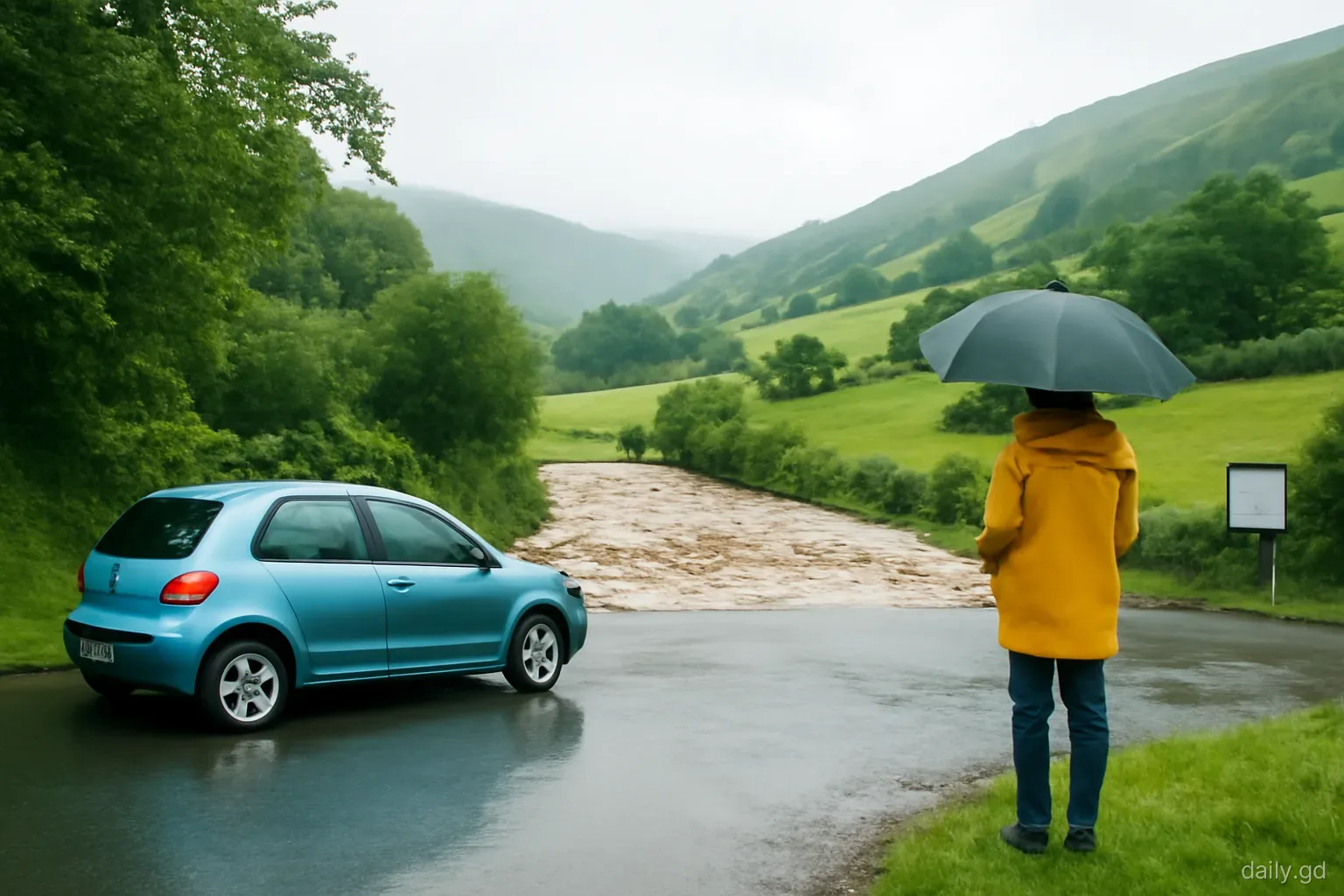
Once the storm has passed, the shelter manager will advise when it is safe to leave, usually after NaDMA or the police have given the all-clear. Roads can be blocked by fallen trees, poles and landslides, live power lines may be down, and flood water hides holes and debris. Walk or drive slowly, avoid touching any cable, and do not cross flooded ghauts or river fords. If your house was badly damaged, tell the shelter manager before leaving; people whose homes are uninhabitable may stay longer while the district committee and NaDMA arrange next steps.
Back at home, check the structure before going inside: sagging roofs, cracked walls and a smell of gas are reasons to stay out and ask for an inspection. Photograph all damage before you start clearing, for insurance and for any assistance programme. Throw out food from fridges that have been without power for long periods, and treat drinking water until supply is confirmed safe. Neighbours checking on each other in the first hours after a storm is a long-standing Grenadian habit, and it often matters more than any official help in the first day.
Frequently asked questions
When does NaDMA publish the shelter list?
NaDMA aims to have the approved list of emergency shelters for Grenada, Carriacou and Petite Martinique published by 1 June each year, following inspections and Cabinet approval. Listen for announcements on local radio and through government information channels, and check again if a storm approaches.
Are all listed shelters opened for every storm?
No. NaDMA announces which shelters are open depending on the forecast track, strength and which communities are most at risk. A weaker system may see only a handful opened, while a major hurricane threat brings many more into use.
Can dogs come to a public shelter in Grenada?
Do not count on it. Many shelters cannot accommodate animals because of space, hygiene and safety. Ask your district disaster committee ahead of the season, and arrange for pets to stay with a friend in a strong house or in a secure part of your own home.
Is food provided in shelters?
Some supplies may be available, but you should bring enough food and drinking water for at least two to three days. After a major storm, roads may be blocked and resupply can take time, especially in rural areas.
How does someone volunteer at a shelter?
Contact your district disaster committee through NaDMA. Committees regularly ask for volunteers and offer training in shelter management and community emergency response, so new volunteers are taught what to do before the season starts.
What if your house is strong but a neighbour's is not?
NaDMA encourages people to shelter with family or friends in sound buildings before using public shelters. If your house is solid and well shuttered, offering space to a neighbour can be safer and calmer for them than a crowded hall.