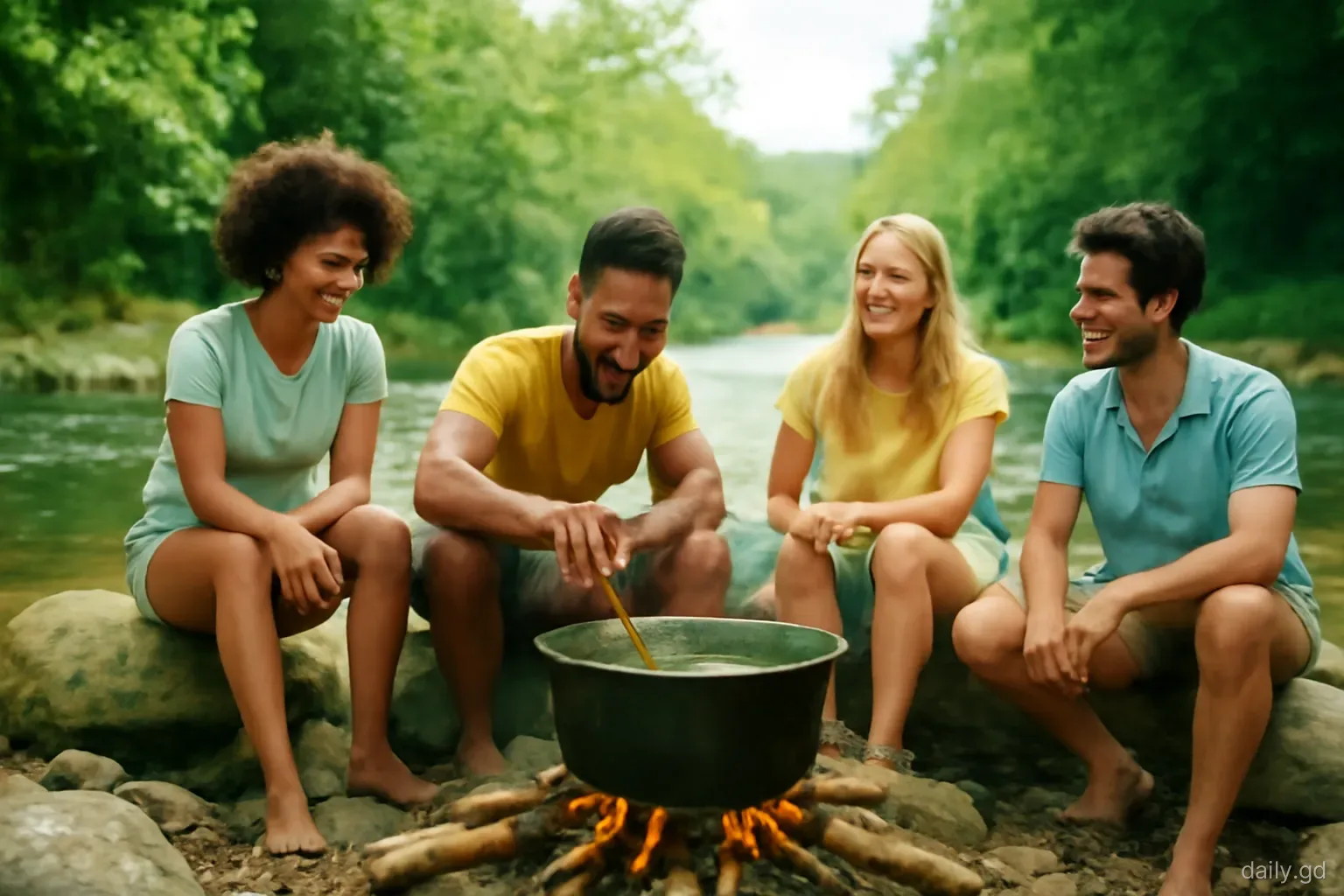
On a public holiday or a free Sunday, a common sight along Grenada's rivers and quieter beaches is a group gathered around a big pot on a wood fire, with music playing, children in the water and someone feeding breadfruit and dumplings into a bubbling mix of coconut milk and salted meat. The beach cook or river lime is one of the most Grenadian ways to spend a day off, and an oil down is its natural centrepiece.
For newcomers invited along, or wanting to host one, it can look effortless. It is not. A good cook depends on picking the right spot, buying the right ingredients the day before, bringing the right equipment, sharing out the work, and respecting water, fire and the place itself. This guide sets out how residents plan one, from choosing a location to packing up the pot.
What a cook actually is
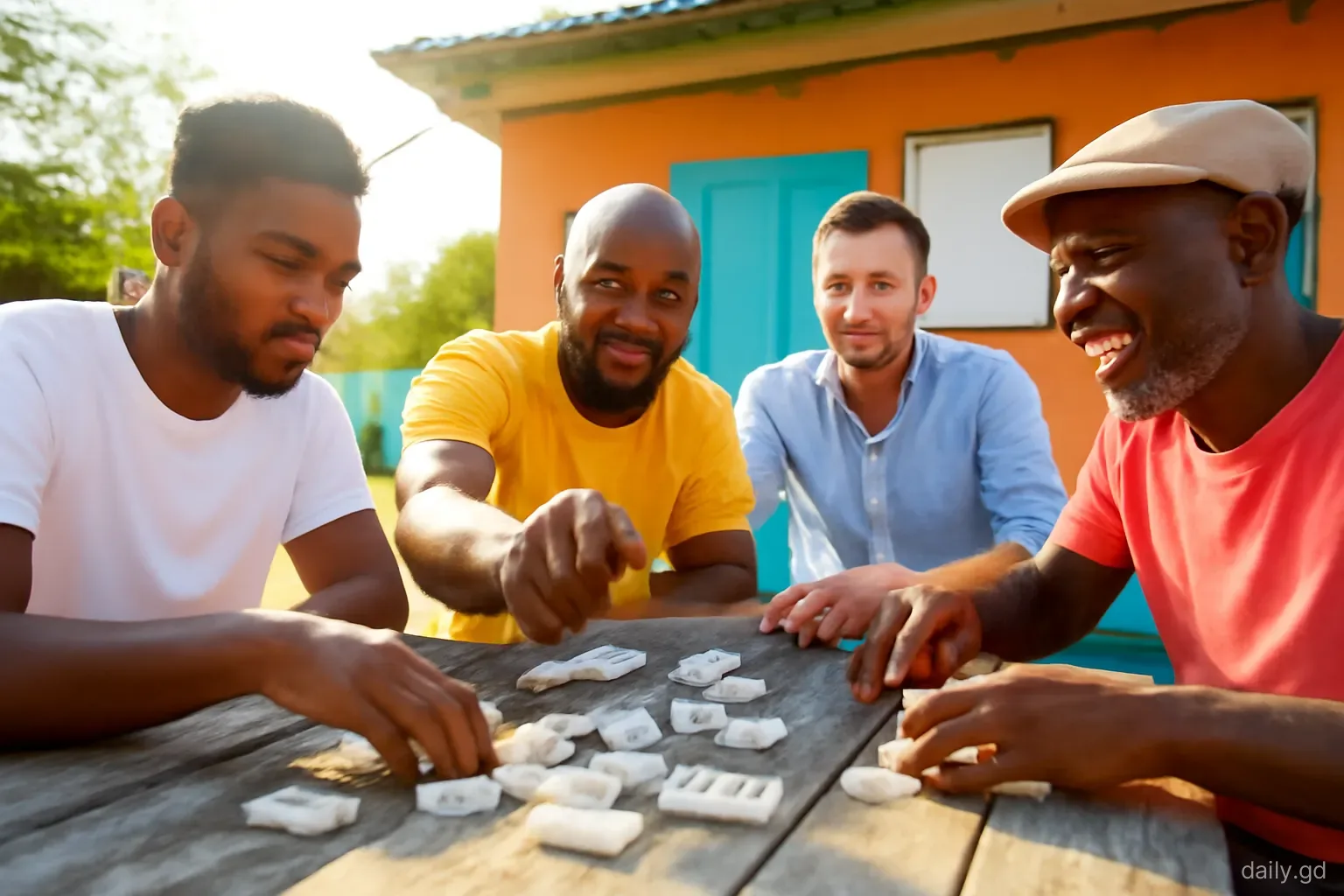
A cook, cook-up or river lime is an all-day outdoor gathering built around food prepared on the spot, usually over a wood fire or a coal pot. It differs from a picnic in that the cooking is the event: people arrive in the morning, the fire is built, preparation and conversation run together, and the meal is ready somewhere in the early afternoon. Swimming, dominoes, music and long conversations fill the time before and after.
The classic dish is oil down, Grenada's national dish: breadfruit, salted meat or fish, dumplings, callaloo and seasonings cooked slowly in coconut milk until the liquid is absorbed and leaves a film of oil at the bottom. Fish broth, pelau, curried chicken or a simple pot of provisions and saltfish are common alternatives. Many groups also bring something to grill, and drinks in a cooler.
The pace is part of the point. Nobody hurries a cook, and a newcomer who keeps asking when the food will be ready has missed what the day is for.
Cooks happen year-round but cluster around public holidays, Easter, Emancipation Day and the long weekends, as well as birthdays, reunions and visits from relatives abroad.
Choosing the spot
Rivers. Popular spots are along rivers in the interior and the east, where shaded banks, pools for children and flat rocks make good sites. Ask locally which stretches are safe and whose land you will be on; many riverbanks cross private or estate land.
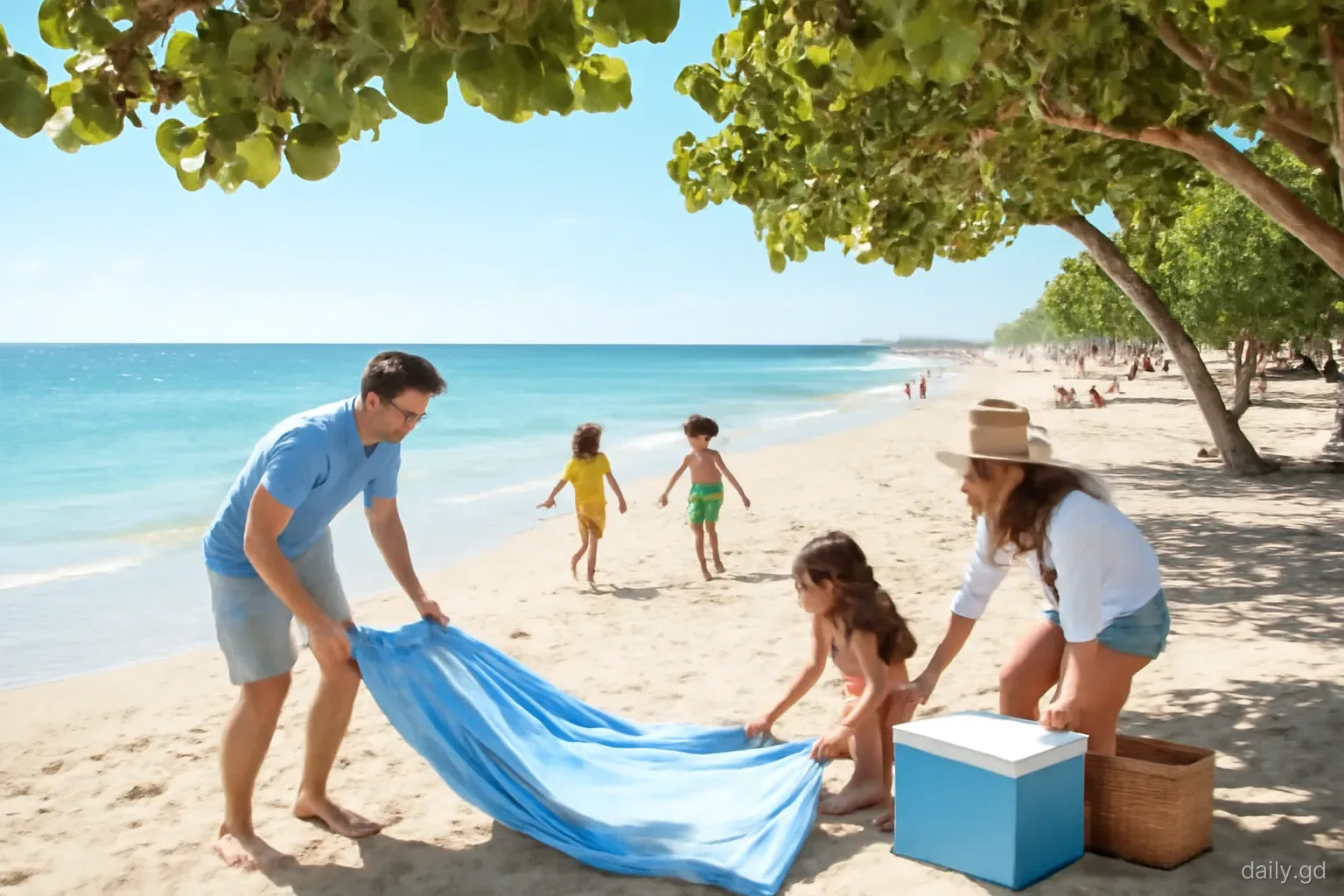
Beaches. Quieter beaches with shade from almond or sea grape trees work well. All beaches in Grenada are public, but busy tourist beaches and those beside hotels are not the place for a wood fire and a big pot.
Shade and level ground. You will be there for hours. Shade, a flat place for the fire away from overhanging branches and room to set up a table or tarp matter more than the view.
Access. You will carry a heavy pot, firewood, coolers and bags. A spot reachable by car or a short path saves effort.
Permission and custom. If a spot is next to someone's house or land, a quick greeting and a word with the owner goes a long way, and they may join you.
The oil down shopping list
Quantities depend on the group and the pot. For a large family pot, a typical list bought the day before includes:
- Breadfruit: firm, mature fruit, peeled and cut into wedges on the day. One medium breadfruit feeds several people.
- Salted meat: pig tail, salt beef or saltfish, soaked to remove some salt. Chicken is often added too.
- Dumplings: flour, a little salt and water, mixed and rolled on site.
- Callaloo: dasheen leaves, which lie on top to steam. Buy them fresh at the market.
- Coconut milk: from fresh coconuts grated on the spot, or packaged milk for convenience.
- Seasonings: turmeric, often called saffron in Grenada, onion, garlic, chive, thyme, celery, hot pepper and green seasoning.
- Extras: carrots, green bananas or provisions, and a whole hot pepper laid on top for flavour without the full heat.
- Drinks and ice: water above all, plus juice, soft drinks and beer or rum for those not driving.
Running the day
A cook goes smoothly when everyone knows their job. A typical sequence:
- Arrive by mid-morning to claim the spot and set up shade, seats and the cooler.
- Build the fire on three stones or a coal pot, keeping it a safe distance from vegetation, and let it settle to a steady heat.
- Peel the breadfruit and prepare the vegetables while one person grates coconut and squeezes out the milk.
- Layer the pot: salted meat and seasonings at the bottom, breadfruit and provisions next, dumplings on top, callaloo leaves over everything, then pour in the coconut milk.
- Cover and cook slowly, checking now and then so it does not burn, for an hour or more until the liquid is absorbed.
- Serve straight from the pot, with the crust at the bottom fought over by those who know it is the best part.
- Let the fire burn down, then douse it completely with water and scatter the stones.
Safety near water and fire
Rivers rise fast. Heavy rain upstream, even when it is sunny where you are, can bring a sudden surge of brown water. Watch for rising levels or debris, and move everyone out immediately if they appear. Avoid river cooks after days of heavy rain.
Atlantic beaches have strong currents. On the east coast, swimming can be dangerous. Choose sheltered spots and watch children constantly.
Fire risk in dry season. From around February to May vegetation is dry. Keep fires small, never leave them unattended and put them out completely.
Drink and driving. Designate drivers before the day starts. Narrow, winding roads home after a long day in the sun are no place for a driver who has been drinking.
Sun and insects. Shade, hats, sunscreen and plenty of water matter. Bring repellent for mosquitoes and sandflies at dusk.
Leaving the place clean
Take everything out. All rubbish, bottles, food containers and plastic go home with you. Rivers and beaches used for cooks often suffer from what groups leave behind.
Food scraps. Even organic waste attracts rats and dogs. Bag it and take it away.
Ash and stones. Make sure the fire is out, spread the cold ash and return stones to where you found them.
Respect the water. Wash pots well away from the water's edge rather than in a river pool where children swim.
Thank the neighbours. If you used someone's land or tap, a plate of food is the customary thanks, and it makes you welcome next time.
Leave the spot better. Many regular groups make a habit of picking up a bag of litter left by others before they go. It costs ten minutes and keeps favourite places usable.
Sharing the work and the cost
Cooks run on contribution. Before the day, the organiser usually agrees who brings what: one family the breadfruit and callaloo, another the salted meat and chicken, someone else the drinks and ice, and whoever owns the biggest pot brings that. Splitting the shopping keeps the cost reasonable and spreads the effort, and it avoids three people turning up with rum and nobody with flour.
On the day, roles tend to sort themselves out. Experienced cooks, often the older men or women of the group, take charge of the pot and the seasoning and are not to be second-guessed. Others peel, grate, fetch firewood, watch the children in the water or keep the music going. Newcomers who offer to help with the unglamorous jobs, peeling breadfruit, washing up, carrying, are appreciated far more than those who hover offering suggestions.
Bring your own plates and cups if possible, or reusable containers, which also cuts the rubbish. If you have been invited rather than hosting, a contribution of drinks, ice or a bag of provisions is the expected gesture.
Frequently asked questions
Can you have a fire on the beach in Grenada?
Small cooking fires are part of local tradition at quieter beaches and rivers, but they are not appropriate on busy tourist beaches or near hotels. In dry season, take extra care. Ask locally whether a particular spot is acceptable, and always put fires out completely before leaving.
What do you need for an outdoor oil down?
A large heavy pot, a fire or coal pot, breadfruit, salted meat or fish, flour for dumplings, callaloo leaves, coconut milk, turmeric and fresh seasonings. Bring a sharp knife, a grater if using fresh coconut, water for cooking and dousing the fire, and bags for rubbish.
How long does an oil down take to cook outdoors?
Allow about an hour to prepare ingredients and build the fire, then an hour or more of slow cooking until the coconut milk is absorbed. Most groups plan to eat in the early afternoon after arriving mid-morning.
Are river limes safe in Grenada?
They are generally safe in settled weather with sensible precautions. The main danger is a sudden rise in water after heavy rain upstream. Avoid river cooks during or after heavy rain, watch the water level constantly and keep children supervised.
What is the best occasion for a beach cook?
Public holidays and long weekends are the traditional times, especially Easter Monday, Emancipation Day and family reunions in summer. Any Sunday works too, but popular spots fill early on holidays, so arrive by mid-morning.